


 效果预览
效果预览
 购买手绘画作
 分享
分享 分享
分享
 详情
详情

 下载
下载
 相似作品
相似作品 X射线
X射线 幻灯片播放
幻灯片播放Hand Held

 展开详情
展开详情




































从与原作比例一致的预设尺寸中进行选择。

您可以输入自定义尺寸,以适配特定的画框或空间。如果您选择的尺寸与原图比例不符,我们将对作品进行裁剪,或通过镜像填充/纯色填充边缘的方式来扩展图像。在开始制作之前,我们会向您发送一份数字效果图供您确认。
请注意,屏幕上的预览并不能反映实际的裁剪或扩展效果。只有效果图才能准确展示最终的构图。
虽然我们提供定制尺寸,但为了保持原图比例,我们建议您从预设列表中选择尺寸。


 玻璃选项仅适用于110厘米以下的尺寸。

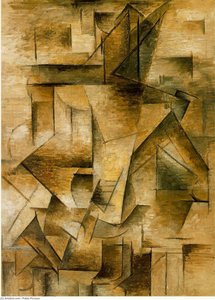
Hand Held
艺术微喷/版画
复制品尺寸
-


最终总价
$ 64


艺术家简介
The Architecture of Absence: The Multidimensional World of Beverly Semmes
In the vast landscape of contemporary art, few creators command space with as much visceral presence and conceptual depth as Beverly Semmes. Born in 1958 in Washington, D.C., Semmes has cultivated a practice that refuses to be confined by medium or boundary. Her work is a profound dialogue between the tangible and the ephemeral, weaving together sculpture, textile installations, video art, photography, and performance into a singular, breathtaking tapestry of human experience. To encounter a Semmes installation is to step into a realm where materiality meets memory, and where the physical weight of an object serves to illuminate the intangible traces of identity and gender.
Semmes’ artistic evolution is rooted in a rigorous academic foundation that allowed her to master classical techniques before deconstructing them. Her journey began at the Boston Museum School, where she honed the essential skills of sculpting and drawing. This technical proficiency was further refined through undergraduate studies at Tuments University and eventually at the prestigious Yale University School of Art. It was during her graduate years that a fascination with the transformative power of materials began to emerge; she experimented with heavy wire sculptures and created artificial objects designed to mimic nature, such as steel trees adorned with painted leaves. These early explorations into the tension between the organic and the synthetic laid the groundwork for a career defined by the subversion of expectation.
The Body Unseen: Textiles and the Feminist Lens
Perhaps the most iconic hallmark of Semmes’ oeuvre is her groundbreaking use of oversized, monumental dress sculptures. These are not merely garments, but architectural interventions that utilize scale to challenge our perception of the human form. By meticulously altering large-scale fabrics to create massive, often dysfunctional silhouettes, Semmes creates a sense of sculptural absence. The clothing exists as a hollow monument, a shell that deliberately conceals the body it was meant to adorn. This technique serves as a powerful metaphor for the societal pressures placed upon femininity, prompting viewers to contemplate the vulnerability and the strength found in what remains unseen.
Through these textile works, Semmes engages deeply with feminist discourse, interrogating the historical associations of craft and "women's work." By elevating textiles—a medium often relegated to the domestic sphere—to the scale of fine art, she reclaims the narrative of female autonomy. Her work explores the relationship between the internal self and the external persona, using clothing as a theatrical tool to examine how much of our identity is constructed by the layers we choose to wear. This exploration extends into her ceramic and crystal works, where brightly colored, roughly shaped vessels and translucent forms serve as metaphors for the complexities of the female body.
Censorship and Color: The Feminist Responsibility Project
A transformative chapter in Semmes’ career arrived with the inception of the Feminist Responsibility Project (FRP). This series, which has spanned decades, represents a masterful fusion of provocation and abstraction. Triggered by the discovery of a collection of adult magazines, Semmes embarked on a process of selective censorship, using ink and vibrant pigments to partially obscure the explicit imagery within pages from publications like Penthouse and Hustler. In doing so, she does not merely hide the provocative; she transforms it.
The act of painting over these images turns raw sexuality into bold, abstract shapes, leaving only fragments of limbs, faces, or extremities visible. This process creates a striking paradox: while the artist physically obscures the "titillating" content, the resulting bursts of color and form draw the eye even more intensely to the remaining traces of the human figure. Through this method, Semmes challenges conventional artistic norms and confronts the complexities of the male gaze, turning a medium of consumption into a site of profound aesthetic and political reflection.
Legacy and Contemporary Resonance
Today, Beverly Semmes stands as a pivotal figure in contemporary art, her work held in prestigious collections across North America, including the Hirshhorn Museum, MoCA Chicago, and the Henry Art Gallery. Her ability to bridge the gap between the decorative and the monumental, the craft-based and the conceptual, ensures her enduring relevance. As a teacher at institutions such as New York University and the Pratt Institute, she continues to influence new generations of artists, passing on a legacy of fearless experimentation.
The historical significance of Semmes lies in her refusal to accept the limitations of any single medium. Her career is a testament to the power of scale, color, and texture to speak truths about gender, power, and the human condition. Whether through a towering silk gown or a heavily pigmented photograph, Semmes continues to sculpt the space between presence and absence, leaving an indelible mark on the landscape of modern art.

Beverly Semmes
1958 - , United States of America
艺术家简介
- Artistic Movement Or Style: Sculpture, Textile Installations
- Artists Or Movements Influenced By This Artist: ['']
- Artists Who Influenced This Artist: ['']
- Date Of Birth: 1958
- Full Name: Beverly Semmes
- Nationality: American
- Notable Artworks: ['Hand Held']
- Place Of Birth: Washington, United States of America


