


 效果预览
效果预览
 购买手绘画作
 分享
分享 分享
分享
 详情
详情

 下载
下载
 相似作品
相似作品 X射线
X射线 幻灯片播放
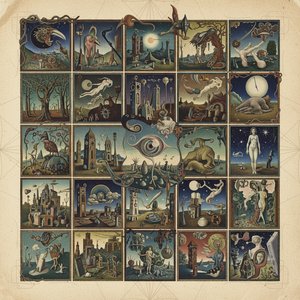
幻灯片播放Max Jacob

 展开详情
展开详情




































从与原作比例一致的预设尺寸中进行选择。

您可以输入自定义尺寸,以适配特定的画框或空间。如果您选择的尺寸与原图比例不符,我们将对作品进行裁剪,或通过镜像填充/纯色填充边缘的方式来扩展图像。在开始制作之前,我们会向您发送一份数字效果图供您确认。
请注意,屏幕上的预览并不能反映实际的裁剪或扩展效果。只有效果图才能准确展示最终的构图。
虽然我们提供定制尺寸,但为了保持原图比例,我们建议您从预设列表中选择尺寸。


 玻璃选项仅适用于110厘米以下的尺寸。

Max Jacob
艺术微喷/版画
复制品尺寸
-


最终总价
$ 64
相似艺术品


艺术家简介
A Surrealist Vision of England: The Enigmatic Life of Christopher Wood
Christopher Wood remains one of the most enigmatic and haunting figures of British Modernism, a painter whose brief but brilliant career left an indelible mark on the twentieth-century avant-garde. Born in 1901 in Knowsley, Lancashire, Wood possessed a singular artistic sensibility that defied the rigid categorizations of his era. His work is characterized by a profound, dreamlike quality, where the familiar landscapes of England and France are transformed into symbolic realms of unsettling beauty and deep melancholy. To look upon a Wood painting is to enter a psychological landscape, one where the boundaries between reality and the subconscious are perpetually blurred.
The foundations of his unique aesthetic were laid in his youth, deeply influenced by a childhood fascination with botany and folklore. Nurtured by his father, a botanist, Wood developed an acute eye for the intricate details of the natural world. This scientific precision, however, was never merely observational; it was always filtered through a lens of poetic distortion. His early appreciation for the organic structures of plants and the mysteries of local legends would later manifest in landscapes that feel both meticulously rendered and strangely otherworldly, as if the earth itself were breathing with a hidden, sentient life.
Parisian Echoes and the Surrealist Spirit
The trajectory of Wood’s career shifted dramatically when he moved to Paris in 1928, a period that would become the crucible of his mature style. Immersed in the vibrant, experimental atmosphere of the French capital, he found himself at the heart of the burgeoning Surrealist movement. Interacting with luminaries such as André Breton and Giorgio Morandi, Wood began to experiment with the concept of automatism—the practice of allowing chance and spontaneous gesture to guide the brush, bypassing the constraints of conscious thought. This period saw his work evolve from traditional representation toward a more complex, symbolic language.
His time in Paris allowed him to synthesize disparate influences into a cohesive, albeit fractured, vision. He mastered the ability to blend the soft, atmospheric textures of Impressionism with the jarring, unexpected juxtapositions central to Surrealism. This tension is perhaps most famously captured in his monumental oil painting, ‘Tiger and Arc de Triomphe.’ In this ambitious work, the ferocious, primal energy of a tiger is set against the structured grandeur of Parisian architecture, creating a powerful dialogue between the wildness of nature and the artifice of civilization. It remains a testament to his ability to capture both the dynamism of movement and a profound sense of stillness.
Legacy and the Geometry of Solitude
As his career progressed toward its tragic conclusion in 1930, Wood’s work began to exhibit a fascinating shift toward geometric abstraction. His later sketches, such as the ‘Westmorland Landscape’ from 1929, reveal a move toward simplified forms and a more calculated use of perspective. In these works, the lushness of his earlier style gives way to a sense of serene detachment and structural clarity. Yet, even within this newfound abstraction, an underlying tension remains palpable—a hallmark of his artistic vision that suggests a world held in a delicate, precarious balance.
The historical significance of Christopher Wood lies in his ability to bridge the gap between the English pastoral tradition and the radical experimentation of Continental Europe. He did not merely adopt Surrealism; he translated it into a uniquely British idiom, infusing it with a sense of nostalgia and botanical wonder. Though his life was cut short, his legacy persists through works that continue to haunt and inspire, serving as a poignant reminder of the power of the individual imagination to reshape the world through the lens of dreams.

Christopher Wood
1901 - 1930 , United Kingdom
艺术家简介
- Artistic Movement Or Style: Surrealism & Impressionism
- Artists Or Movements Influenced By This Artist: ['Early 20th Century']
- Artists Who Influenced This Artist: ['Eric Gill']
- Date Of Birth: Knowsley, United Kingdom (1901)
- Date Of Death: 1930
- Full Name: John Christopher Wood
- Nationality: British
- Notable Artworks:
- Tiger and Arc de Triomphe
- Westmorland Landscape
- Brown Jug
- Place Of Birth: United Kingdom
相关文章
马克斯·恩斯特:25幅大师级作品,探索超现实主义的视觉盛宴 | AllPaintingsStore
探索马克斯·恩斯特25幅大师级作品,领略超现实主义的奇幻魅力!深入了解达达主义先驱的艺术生涯、创新技法与梦境般的视觉世界。AllPaintingsStore.com提供高品质艺术复制品,为您的家居装饰增添永恒之美。立即在线探索完整系列!

The Timeless Charm of Oil on Board: Reimagining Texture and Light through the Impressionist Lens
Discover the profound intimacy of oil on panel. Explore how Impressionist masters used rigid supports to capture light, texture, and impasto depth through exquisite, handmade oil reproductions for discerning collectors.

Enchanting Strokes: Unveiling the Luminous Magic and Timeless Soul of Impressionist Masterpieces
Immerse yourself in the luminous beauty of Impressionism. AllPaintingsStore.com offers exquisite, hand-painted oil reproductions of masters like Monet and Van Gogh. From museum-quality landscapes to bespoke portraits from photos, we bring timeless artistry and soul to your collection.

The Soul of Impressionism: Why Oil on Canvas Captures Eternal Light and Timeless Emotion
Discover the enchanting alchemy of Impressionism. Explore how the mastery of oil on canvas, through glazing and impasto, captures eternal light and emotion. Perfect for lovers of Monet and Van Gogh seeking the profound depth of hand-painted fine art.

Oil on Board: A Historical Survey of Technique, Aesthetic Qualities & Enduring Appeal
Explore the rich history of oil on board painting! Discover techniques, aesthetic qualities & enduring appeal from early masters to modern practice. Expert insights for collectors and art enthusiasts.


