


 实景预览
实景预览
 分享
分享 分享
分享
 详情
详情 指南
指南

 下载作品
下载作品
 相似作品
相似作品 X射线
X射线 幻灯片播放
幻灯片播放 Q&A
Q&A 统计数据
统计数据Irises 2

 展开全文
展开全文
艺术微喷/版画
博物馆级艺术微喷或帆布版画,制作高效,并提供多种饰面选择。 ( 订购纯手工绘制画作 切换至数字图像销售渠道)




































您可以从与原作比例一致的预设尺寸中进行选择。

请输入您所需的宽度和高度,以适配您的画框或墙面。由于印刷品只能进行裁剪,无法超出原图尺寸,因此若比例不一致,画面的一部分将会被裁切。在正式印刷之前,我们会为您发送一份数字效果图供您确认。本页面显示的图片并非最终裁剪后的效果——只有效果图才能展示真实的裁剪情况。


 玻璃选项仅适用于110厘米以下的尺寸。

Irises 2
艺术微喷/版画
复刻品尺寸
-


最终结算价
¥ 430
A Symphony of Color: Exploring Claude Monet’s ‘Irises’
Claude Monet, a titan amongst Impressionists, didn't merely depict flowers; he wrestled with light itself, attempting to capture its ephemeral dance across surfaces. His fascination with the natural world – specifically his beloved Giverny garden – fueled an unparalleled dedication to portraying fleeting moments of beauty with breathtaking accuracy. ‘Irises,’ painted in 1914-17 during World War I, exemplifies this ethos perfectly. Unlike traditional landscapes striving for perspective and depth, Monet deliberately eschewed these conventions, creating a visual experience that prioritizes sensation over representation. As the Art Institute of Chicago’s description eloquently states, “Approximately six and a half feet square, Irises is one of a series of large paintings Claude Monet undertook during World War I experimenting with familiar motifs on an ever-expanding scale.” This audacious decision wasn't simply stylistic; it reflected Monet’s profound belief that art should resonate emotionally, mirroring the immediacy of perception.The Impressionist Technique: Capturing Light's Essence
Monet’s revolutionary approach stemmed from his unwavering commitment to *plein air* painting – working outdoors directly before his subject. This method demanded meticulous observation and a willingness to embrace uncertainty. Rather than blending colors smoothly onto the canvas, Monet applied pigment in broken touches, allowing individual strokes of color to mingle optically on the viewer's eye. The resulting surface is textured, almost crystalline, capturing the shimmering quality of sunlight filtering through foliage. Examining the painting closely reveals layers upon layers of pastel hues – reds, pinks, yellows, and blues – meticulously juxtaposed to simulate the way light refracts and transforms throughout the day. This technique—a cornerstone of Impressionism—was painstakingly honed by Boudin’s guidance, cementing Monet's legacy as a pioneer of modern art.Symbolism Within Nature: Iris Flowers and Tranquility
Beyond its masterful execution, ‘Irises’ carries significant symbolic weight rooted in Victorian sensibilities. The iris flower itself represents purity, faith, and resurrection – themes frequently explored by artists during the period. Its upright form conveys dignity and strength, contrasting beautifully with the undulating surface of the pond reflecting the sky above. Monet's deliberate choice to depict irises amidst a tranquil garden setting speaks to an overarching desire for serenity and contemplation amid turbulent times. The painting isn’t merely a visual record; it’s an invitation to immerse oneself in the quiet beauty of nature, fostering a sense of peace and wonder.Historical Context: Monet's Response to War
Painted during World War I, ‘Irises’ represents more than just artistic innovation; it embodies Monet’s personal resilience and unwavering connection to his surroundings. Despite the anxieties gripping Europe at the time, Monet continued to create art with a steadfast devotion to capturing the essence of beauty—a defiant gesture against despair. The scale of the canvas itself underscores this ambition – a bold statement that prioritized aesthetic experience over conventional concerns about grandeur or commemoration. As noted in “Monet’s Garden, the Irises,” the painting "Lacking a discernible horizon or clear sense of depth, the viewer is both on top of and submerged in this encrusted and disorienting surface…" This deliberate distortion serves as a powerful reminder that art can transcend historical circumstances, offering solace and inspiration regardless of external pressures.Emotional Resonance: An Impression of Sublime Beauty
Ultimately, ‘Irises’ succeeds in conveying an unforgettable impression of sublime beauty. The vibrant colors pulsate with life, mirroring the dynamism of sunlight and evoking feelings of tranquility and contemplation. Viewing this reproduction allows one to recapture Monet's vision—a testament to his genius and a celebration of nature’s enduring power to inspire awe and wonder. It’s a piece that invites viewers to pause, observe closely, and appreciate the fleeting magic of a single moment rendered with unparalleled artistry.相似作品


艺术家简介
光与影的沉浸:克劳德·莫奈的世界
奥斯卡·克劳德·莫奈,这个与印象派紧密相连的名字,不仅仅是一位风景画家;他更是一位捕捉瞬息万变的记录者,一位光与色彩的诗人。1840年11月14日出生于巴黎,他的早年生活在五岁时经历了一次意想不到的转折,全家搬到了诺曼底的勒阿弗尔。尽管父亲最初希望他从事商业事业,但年轻的克劳德天生的艺术天赋很快便显露出来,首先体现在他在当地出售的炭笔漫画中——这既证明了他的技艺,也展现了他的创业精神。然而,与欧仁·布代因的相遇成为了他人生中的关键转折点。布代因不仅教会了莫奈绘画的技巧,更在他心中种下了革命性的思想:进行en plein air(户外写生)——直接从自然中汲取灵感——这种实践方式将定义他整个艺术生涯。
莫奈在巴黎开始了正规训练,最初在瑞士学院短暂学习,后来师从夏尔·布莱尔。在这里,他与奥古斯特·雷诺阿等同伴艺术家建立了深厚的友谊,这种纽带建立在共同的艺术挫折感以及摆脱传统学院派绘画束缚的渴望之上。他的早期作品虽然展现了技术上的熟练度,但仍缺乏那种即将定义其风格的独特声音。随后经历了一段动荡时期——普法战争迫使莫奈前往伦敦寻求庇护,在那里他沉浸在J.M.W.特纳等英国风景大师的作品中,汲取着他们作品中的大气效果与创新的色彩运用。
审美革命的诞生
回到法国后,莫奈成为了新兴艺术叛乱的核心人物。由于对沙龙保守的标准感到不满,他与其他志同道合的艺术家联手组织了独立展览。1874年的那场展览对于莫奈乃至整个艺术界来说都是一个分水岭。正是通过这次展览,他的画作《印象·日出》(Impression, soleil levant)——一幅描绘黎明时分勒阿弗尔港口朦胧景象的作品——展现在世人面前,而带有嘲讽意味的“印象主义”一词也由此诞生。然而,这个名字最终被保留了下来,并演变成一种荣誉勋章,象征着一场旨在捕捉场景主观*印象*而非精确再现的艺术运动。
莫奈标志性的风格在这一时期蓬勃发展:松散且可见的笔触、鲜艳且通常不经混合而并列应用的色彩(这种技术被称为“碎色”法),以及对捕捉光线瞬息万变特性的坚定关注。他孜孜不倦地追求plein air实践,通过快速作画来记录他在环境变化改变场景之前的直接感知。这种奉献精神不仅仅是为了描绘他所*见*到的事物,更是为了记录他对这一切的*感受*——这与当时的艺术惯例实现了彻底的决裂。
吉维尼:光与反射的天堂
1883年,莫奈定居在巴黎西北部的吉维尼,建立了一个家园与花园,这里成为了他的避难所,也是他最大的灵感源泉。他精心将这处房产改造成了一座华丽的乐园,拥有异域花卉、垂柳,以及最著名的——一座横跨在水莲池上的日本桥。这不仅仅是一个装饰性的花园;它更是一个活生生的实验室,莫奈可以在受控的环境中研究光线在水面、叶片和倒影上的作用。
他生命的最后几十年几乎完全致力于描绘吉维尼的水莲池。他开启了宏伟的《睡莲》(Nymphéas)系列创作,通过巨大的画布将池塘表面描绘成一片不断变幻的色彩与光影织锦。这些作品并非仅仅是花卉的绘画;它们是一种沉浸式的体验,旨在让观众沉浸在宁静的美感与冥想的静谧之中。这些作品的规模令人震撼,它推向了传统绘画的边界,并预示了抽象表现主义的到来。
传承:对艺术史的深远影响
克劳德·莫奈对艺术史的影响是无法估量的。他不仅是印象派的创始人,更从根本上改变了艺术家感知和表现周围世界的方式。他对主观经验的强调、对plein air写生技法的拥护以及其创新的技术手段,为现代艺术探索抽象与非具象形式铺平了道路。
莫奈在生前取得了相当大的商业成功——这在那个时代的先锋艺术家中实属罕见。他的作品至今仍持续激发着全世界观众的敬畏之情,巩固了他作为西方艺术史上最重要人物之一的地位。他于1926年12月5日逝世,留下的遗产在历代艺术家和艺术爱好者心中激荡不已。他的杰作被收藏于巴黎奥赛博物馆和马莫丹·莫奈博物馆等著名机构,确保了他的视觉愿景能够继续照亮世界。
核心艺术技法
- 户外写生 (Plein Air Painting): 他艺术发展的核心,允许对光线和大气进行直接观察。
- 碎色法 (Broken Color): 将纯色的细小笔触并列应用,以实现视觉上的色彩混合。
- 系列绘画 (Series Painting): 在不同的光照和天气条件下描绘同一主题——展示了时间与光线的转化力量。
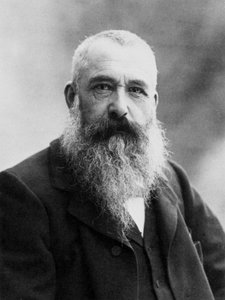
克劳德·莫奈
1840 - 1926 , 法国
艺术家简介
- Artistic Movement Or Style: 印象派
- Artists Or Movements Influenced By This Artist: ['现代艺术']
- Artists Who Influenced This Artist:
- 欧仁·布代恩
- J.M.W. 汤纳
- Date Of Birth: 1840年11月14日
- Date Of Death: 1926年12月5日
- Full Name: 奥斯卡·克劳德·莫奈
- Nationality: 法国人
- Notable Artworks:
- 印象·日出
- 睡莲系列
- 麦堆
- 鲁昂大教堂
- Place Of Birth: 巴黎,法国
相关文章

Monet's Serial Vision: How Light and Time Revolutionized Modern Art
Explore the revolutionary impact of Claude Monet's serial vision. Discover how his mastery of light, color, and time transformed Impressionism from a rebellion against tradition into the foundation of modern art history.


