


 效果预览
效果预览
 分享
分享 分享
分享
 详情
详情 指南
指南

 下载
下载
 相似作品
相似作品 X射线
X射线 幻灯片播放
幻灯片播放 统计数据
统计数据Juan de Pareja


 展开详情
展开详情
手工油画复制品
由我们的艺术家按需定制,为您提供您所选尺寸及画框的布面手工油画。 ( 切换至版画销售渠道 切换至数字图像销售渠道)




P118B $10

P118H $10

P118W $10

P438Z $10

P508JH $12

P508YH $12

P805H $10

P805Z $10

P919BZ $10

P919G $10

P919XJ $10

P959ZH $10

P968JZ $12

W106C $8

W218G $10

W218JH $8

W218Y $10

W307PJ $10

W316G $10

W316PJ $8

W316Y $10

W398PJ $8

W4111J $10

W500HY $15

W500JH $15

W692G $12

W849H $8

W940BG $15

W953PJ $8




从与原作比例一致的预设尺寸中进行选择。

您可以输入自定义尺寸,以适配特定的画框或空间。如果所选尺寸与原图比例不符,我们将通过裁剪作品或添加手绘元素来扩展画面。数字样稿将在制作开始前发送给您确认。
请注意,屏幕预览无法准确反映实际的裁剪或扩展效果,只有样稿才能真实呈现最终的构图。
虽然我们提供定制尺寸服务,但为了保留原作比例,建议您从预设列表中选择尺寸。
下单后,AllPaintingsStore.com 团队将通过电子邮件联系客户获取具体要求,并提供效果预览图。


 玻璃选项仅适用于110厘米以下的尺寸。

Juan de Pareja
复制材质
复制品尺寸
-


最终总价
$ 258
Diego Rodríguez de Silva y Velázquez: A Window into Baroque Dignity
Diego Rodríguez de Silva y Velázquez, born in Seville in 1599, stands as a towering figure in the history of Spanish art and indeed, Western painting. His life coincided with the Golden Age of Spain, a period of immense political power and cultural flourishing, and his artistry became inextricably linked to the grandeur and complexity of the Habsburg court. From humble beginnings, Velázquez rose to become not merely a painter, but a visual interpreter of an empire, capturing the essence and dignity of its rulers, courtiers, and everyday life with unparalleled realism and psychological depth. His journey began under the tutelage of Francisco de Herrera el Viejo and later, more significantly, with Francisco Pacheco, whose rigorous training instilled in Velázquez a foundation in technique, proportion, and classical learning. However, it was his innate talent – an extraordinary sensitivity to light, color, and texture – that distinguished him from his contemporaries and cemented his legacy as one of the greatest artists of all time.The Subject: Juan de Pareja
Diego Velázquez, one of the most renowned Spanish painters of the Baroque period, created a masterpiece that not only showcases his exceptional skill but also tells a story of an intriguing figure. The painting titled Juan de Pareja is a testament to Velázquez's ability to capture the essence and dignity of his subjects. Juan de Pareja, born around 1606 in Antequera, Spain, was himself a painter and a member of Velázquez’s household. What makes this painting significant is that it is one of the earliest known portraits of a Spanish man of African descent. Pareja's life is intertwined with Velázquez’s, as he was enslaved by the artist until 1654. This seemingly simple depiction transcends mere likeness; it embodies Velázquez’s profound understanding of human character and his masterful manipulation of artistic conventions to convey empathy and respect for a marginalized individual.The Painting
Painted in 1650 during Velázquez's journey to Italy, Juan de Pareja stands out for its striking realism and the sense of intimacy it conveys. The subject is depicted wearing a white collar and a black coat, with his dark hair neatly styled. The background of the painting is blurred—a technique known as *sfumato*, perfected by Velázquez—which serves to focus the viewer’s attention on Juan de Pareja himself. This deliberate blurring creates an ethereal atmosphere, enhancing the solemnity of the portrait and subtly suggesting a contemplative mood. The artist skillfully utilizes chiaroscuro – the dramatic interplay between light and shadow – to sculpt the figure's form and imbue it with depth and volume.Artistic Significance
This portrait was not just an exercise in capturing likeness; it was also a preparatory work for Velázquez’s official portrait of Pope Innocent X. The skill and detail with which Velázquez painted Juan de Pareja demonstrate his mastery over the medium—oil paint on canvas—and solidify his reputation as a pioneer of Baroque painting. Velázquez’s innovative approach to portraiture challenged conventional norms and established a new standard for artistic excellence. He achieved this remarkable feat by meticulously observing his subject, painstakingly mixing pigments, and applying brushstrokes with unwavering precision.Historical Context
The painting holds historical significance as it was one of the first to sell for more than £1,000,000. It is now part of the collection at the Metropolitan Museum of Art in New York City, considered among the most important acquisitions in the museum’s history. Its inclusion in this prestigious collection underscores its enduring artistic merit and its contribution to the broader narrative of European art during the seventeenth century. The painting's provenance—spanning from Velázquez’s workshop to papal patronage—reflects the cultural currents of its time and speaks to the importance placed on artistic representation within the Habsburg court.- Size: 81 x 69 cm
- Date: 1650
Relevance Today
Today, Juan de Pareja continues to fascinate art lovers and historians alike. It is a powerful example of Velázquez’s ability to humanize his subjects, regardless of their social status or background. The painting serves as a bridge between the past and present, offering insights into the lives of those often overlooked in historical narratives. For those interested in exploring more works by Velázquez, Infanta María Teresa is another notable piece that showcases his skill in capturing the essence of his subjects. To learn more about Diego Velázquez and his works, visit Juan de Pareja on AllPaintingsStore.相似艺术品


艺术家简介
迭戈·委拉斯开兹:光与影的宗师
迭戈·罗德里格斯·德·席尔瓦·伊·委拉斯开兹(Diego Rodríguez de Silva y Velázquez),1599年出生于西班牙塞维利亚,是西班牙黄金时代的杰出画家,也是西方艺术史上举足轻重的关键人物。他的生命轨迹与西班牙哈布斯堡王朝的兴衰紧密相连,他不仅是一位技艺精湛的肖像画家,更是帝国精神和时代风貌的深刻记录者。委拉斯开兹的艺术生涯始于弗朗西斯科·德·埃拉拉老师的指导之下,随后在弗朗西斯科·帕切科的严谨训练中打下了坚实的基础。然而,真正成就他的,是其天生的天赋——对光线、色彩和人物性格的敏锐感知力。即使是他早期的作品,如《煎蛋的老妇人》,也预示了他将要开创的革命性画风,赋予平凡场景以尊严与真实感。宫廷画家之路:菲利普四世的忠实记录者
1623年,委拉斯开兹毅然决然地离开塞维利亚,前往马德里寻求王室的庇护。这一举动改变了他的人生轨迹。仅仅五年后,他便被任命为国王菲利普四世的宫廷画家,并一直担任此职直至去世。这份工作不仅仅是谋生手段,更赋予了委拉斯开兹前所未有的特权——亲身接触王室成员和贵族,成为他们生活的忠实记录者。与许多宫廷画家不同的是,委拉斯开兹力求真实地描绘人物,而非刻意美化。他笔下的菲利普四世,不再是高高在上的统治者象征,而是一个有着智慧、忧郁和责任感的凡人。这种对真理的执着追求,以及他精湛的绘画技巧,赢得了国王的信任与尊重,也为他争取到了更大的艺术自由。早期的宫廷肖像作品展现了他风格的演变过程,逐渐摆脱了西班牙传统肖像画的僵硬形式,转向更加自然和富有心理深度的表现手法。威尼斯画派大师提香的影响显而易见——委拉斯开兹吸收了他们对色彩和笔触的运用技巧,并将其融入到自己独特的艺术风格中。《宫娥》:艺术自省的巅峰
1650年代是委拉斯开兹艺术生涯的顶峰,《宫娥》(Las Meninas)无疑是他最伟大的杰作。这幅画作并非简单的肖像,而是一部关于艺术本身的复杂思考。它描绘了西班牙王室成员——年幼的玛丽亚·特蕾莎公主和她的侍女们,以及其他宫廷成员。委拉斯开兹本人也出现在画面中,仿佛正在创作一幅画作。画面的背景中,镜子中映出的国王和王后,进一步模糊了观察者与被观察者之间的界限,探讨了现实与表象的关系。《宫娥》以其精湛的透视技巧、复杂的构图以及深刻的心理洞察力而著称,挑战着观者的认知,引发对艺术创作本质的思考。除了《宫娥》,《比雷达之役投降》、《维纳斯梳妆》和《教皇英诺森十世肖像》等作品也充分展现了他卓越的绘画才华。他的笔触愈发流畅奔放,色彩过渡微妙细腻,对光线与氛围的把握达到了炉火纯青的地步——这成为了影响后世无数艺术家的标志性特征。遗产与持久的影响
1660年,委拉斯开兹在马德里逝世,留下了无价的艺术遗产,深刻地影响了西方艺术的发展进程。他对现实主义的强调、对光影的巧妙运用以及对人物心理的深入刻画,为绘画开辟了新的道路。19世纪的法国写实主义画家库尔贝就曾将委拉斯开兹视为榜样,效仿他描绘生活真貌的态度。而莫奈则深受《宫娥》的影响,在自己的作品中直接借鉴了其构图方式,充分体现了西班牙大师的持久魅力。到了20世纪,毕加索和弗朗西斯·培根等艺术家也通过对委拉斯开兹作品的重新诠释与致敬,表达了对这位艺术巨匠的敬意。如今,委拉斯开兹的杰作散布于世界各地的博物馆之中,其中最重要的是位于马德里普拉多博物馆的馆藏,在那里,人们可以亲身感受这位光、影与人性的宗师所创造出的辉煌。他的遗产将继续激励着一代又一代的艺术家,巩固了他作为西方艺术史上最伟大的画家之一的地位。主要作品及收藏
- 《宫娥》(Las Meninas):马德里普拉多博物馆——他最负盛名的作品,描绘了西班牙王室成员的复杂肖像。
- 《比雷达之役投降》(The Surrender of Breda):马德里普拉多博物馆——对西班牙胜利的有力描绘,展现了人性的光辉。
- 《维纳斯梳妆》(Venus at Her Mirror):马德里普拉多博物馆——展示了他平衡现实主义与美感的技巧。
- 《奥地利玛丽亚娜王后肖像》(Portrait of Dona Mariana of Austria, Queen of Spain):马德里普拉多博物馆——展现了皇室的优雅和内在的脆弱感。
- 《教皇英诺森十世肖像》(Portrait of Pope Innocent X):罗马多利亚·潘菲利宫——对教皇的引人注目且非传统的描绘。
- 《自画像》(Self-Portrait):瓦伦西亚美术馆——展现了一个庄严而内省的艺术家形象。
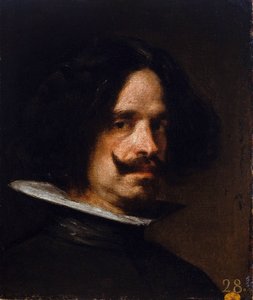
委拉斯开兹
1599 - 1660 , 西班牙
艺术家简介
- 全名: 迭戈·罗德里格斯·德·席尔瓦·伊·韦拉斯开兹
- 出生地点: 塞维利亚,西班牙
- 出生日期: 1599年6月6日
- 去世日期: 1660年8月6日
- 受其影响的艺术家:
- 马奈
- 毕加索
- 弗朗西斯·培根
- 国籍: 西班牙
- 影响艺术家: ['提香']
- 艺术风格: 巴洛克、现实主义
- 著名作品:
- 《宫娥》
- 《比雷达的投降》
- 《维纳斯照镜子》
- 《教皇英诺森十世》
相关文章

Juan de Valdés Leal: Baroque Realism, Memento Mori & Theatricality of Spanish Grief
Explore the powerful Baroque realism of Juan de Valdés Leal (1622-1690). Discover his somber masterpieces, iconic 'In Ictu Oculi', and profound explorations of mortality. Museum-quality reproductions available at AllPaintingsStore.

About Us
Discover our story! We bring world-class art into your life through expert curation, personalized creations, and free previews. Trusted by individuals and businesses since 2000.
Spanish Baroque Art: The Dramatic Mastery of Light and Shadow in the Age of Velázquez
Explore the profound drama of Spanish Baroque art. Delve into the mastery of light, shadow, and realism through the legendary works of Diego Velázquez and the Spanish Golden Age.
戈雅大师25幅杰作:西班牙灵魂的艺术之旅| AllPaintingsStore
探索戈雅大师的25幅杰作!深入了解西班牙绘画巨匠Francisco Goya的艺术世界,从洛可可到浪漫主义风格,感受黑加仑时代的情感力量。AllPaintingsStore.com提供高品质油画复制品和家居装饰灵感。立即在线发现所有名画!

巴洛克艺术巅峰:十部巨作定义时代,点亮您的臻品格调
探索巴洛克艺术的辉煌!本文精选十部巨作,带您领略卡拉瓦乔、伦勃朗等大师的光影魔法与戏剧张力。从黄金时代到宗教绘画,感受奢华与精致。AllPaintingsStore.com为您提供博物馆品质的艺术复制品和家居装饰灵感。尽在AllPaintingsStore.com!


