购买版画
购买版画 分享
分享 分享
分享
 详情
详情

 下载
下载
 相似作品
相似作品 X射线
X射线 幻灯片播放
幻灯片播放Wedding at Cana
 Acrylic On Canvas
- WallArt
- Italian Renaissance
 1308
1308- High Medieval
 43.0 x 46.0 cm
 锡耶那大教堂博物馆
 展开详情
展开详情




P118B $10

P118H $10

P118W $10

P438Z $10

P508JH $12

P508YH $12

P805H $10

P805Z $10

P919BZ $10

P919G $10

P919XJ $10

P959ZH $10

P968JZ $12

W106C $8

W218G $10

W218JH $8

W218Y $10

W307PJ $10

W316G $10

W316PJ $8

W316Y $10

W398PJ $8

W4111J $10

W500HY $15

W500JH $15

W692G $12

W849H $8

W940BG $15

W953PJ $8




从与原作比例一致的预设尺寸中进行选择。

您可以输入自定义尺寸,以适配特定的画框或空间。如果所选尺寸与原图比例不符,我们将通过裁剪作品或添加手绘元素来扩展画面。数字样稿将在制作开始前发送给您确认。
请注意,屏幕预览无法准确反映实际的裁剪或扩展效果,只有样稿才能真实呈现最终的构图。
虽然我们提供定制尺寸服务,但为了保留原作比例,建议您从预设列表中选择尺寸。
下单后,AllPaintingsStore.com 团队将通过电子邮件联系客户获取具体要求,并提供效果预览图。


 玻璃选项仅适用于110厘米以下的尺寸。

Wedding at Cana
复制材质
复制品尺寸
-


最终总价
-
作品详情
A Moment of Miraculous Grace: Exploring Duccio’s Wedding at Cana
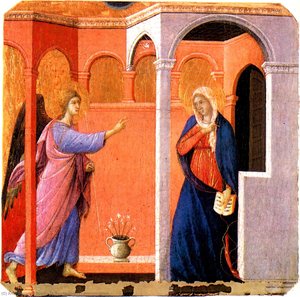
Duccio di Buoninsegna's "Wedding at Cana," painted in 1308, transcends mere depiction; it embodies a pivotal moment in artistic history—the dawn of a new Italian vision that decisively moved away from the rigid formalism of Byzantine art towards a richer tapestry of human emotion and naturalistic observation. Housed within Siena’s Museo dell'Opera del Duomo, this tempera panel offers more than just a visual spectacle; it invites contemplation on faith, generosity, and the transformative power of artistic innovation. Measuring 43 x 46 cm, the painting isn’t simply a record of an event recounted in scripture—it’s a carefully crafted tableau designed to communicate profound spiritual truths.Composition and Technique: Bridging Byzantine Tradition with Emerging Realism
The scene captures Jesus miraculously transforming water into wine during a wedding celebration – a narrative deeply rooted in Christian theology. Duccio skillfully employs a pyramidal composition, anchoring the central figures—Jesus, Mary Magdalene, Joseph—at its apex while radiating outwards to encompass the bustling gathering of guests. This technique harkens back to Byzantine iconographic conventions, yet Duccio subtly introduces elements of naturalism that would become hallmarks of the Sienese School. Notice the meticulous attention to detail in portraying fabrics, faces, and gestures – a deliberate departure from the stylized representations prevalent in earlier art forms. The artist’s masterful use of tempera paint—known for its luminosity and durability—further enhances the painting's visual impact, capturing subtle nuances of light and shadow that imbue the scene with palpable warmth.Symbolism: More Than Meets the Eye
Beyond its immediate depiction, “Wedding at Cana” is interwoven with layers of symbolic significance. The wedding itself represents divine grace and redemption – a celebration of life’s renewal and the triumph over adversity. The abundance of food and drink symbolizes hospitality and generosity—values central to Christian morality. Crucially, the miracle of transforming water into wine serves as an allegory for spiritual transformation, mirroring Christ's sacrifice and offering hope for eternal salvation. Duccio’s depiction of Mary Magdalene is particularly noteworthy; she embodies compassion and devotion – qualities revered within the medieval Christian tradition. The positioning of the guests—some seated, some standing—suggests a dynamic interplay between piety and earthly concerns.Context Within Siena’s Maestà: A Landmark Achievement
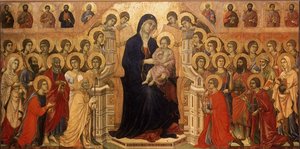
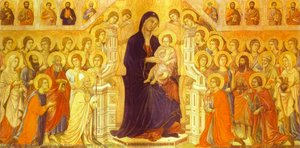
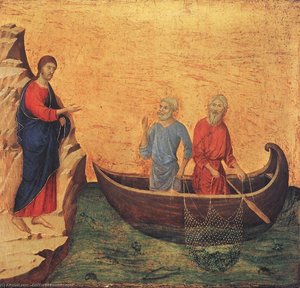
“Wedding at Cana” exists as part of Duccio's monumental altarpiece, “Maestà,” commissioned by the Cathedral of Siena. This ambitious undertaking solidified Duccio’s reputation as one of the foremost artists of his time and established him as a champion of naturalism within Italian painting. The Maestà represents a decisive break from Byzantine artistic conventions—characterized by flattened perspectives and stylized figures—and ushered in an era where artists sought to portray reality with greater accuracy and emotional depth. It stands as testament to Duccio’s visionary approach, influencing generations of painters who followed him.Emotional Resonance: Capturing the Spirit of Celebration
Ultimately, “Wedding at Cana” succeeds in conveying a profound sense of joy and communal spirit. The artist's skillful rendering of facial expressions—particularly those of Jesus and Mary Magdalene—captures the emotion of awe and reverence. The vibrant colors—primarily reds, golds, and blues—contribute to the painting’s luminous quality, enhancing its visual appeal and reinforcing its spiritual message. Viewing this masterpiece evokes a feeling of warmth, compassion, and optimism – qualities that resonate powerfully with audiences today. It remains an enduring symbol of faith, generosity, and the transformative potential of art itself.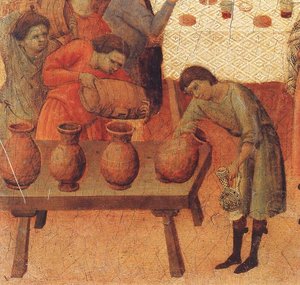


艺术家简介
杜乔:意大利哥特式绘画的巨匠
杜乔·迪·布奥尼内格纳(Duccio di Buoninsegna,约1255年–1319年)是意大利西恩纳画派最重要的代表人物之一,也是中世纪晚期意大利艺术向哥特式风格转变的关键人物。他的一生与西恩纳这座城市的兴衰紧密相连,他的作品不仅展现了精湛的绘画技巧,更体现了当时宗教信仰和社会文化背景下的深刻思考。杜乔并非仅仅是一位画家,他更像是一位革新者,大胆地将拜占庭传统与新兴的自然主义相结合,为意大利绘画的发展开辟了新的道路。
早年经历与艺术风格的形成
关于杜乔的早期生活知之甚少,但可以确定的是,他出生于西恩纳附近的布奥尼内格纳小镇。他的父亲是一位工匠,这或许也影响了他对细节和工艺的重视。在13世纪末,西恩纳正处于鼎盛时期,这座城市以其繁荣的商业和强大的政治力量而闻名。杜乔早期的作品深受拜占庭艺术的影响,金色的背景、程式化的人物形象以及对宗教象征意义的强调,都体现了这种影响。然而,即使在这些受限制的框架内,杜乔也开始尝试引入新的元素,例如更灵活的空间安排和更加微妙的色彩运用。他逐渐意识到,仅仅遵循传统并不能满足人们对于艺术表达的需求,需要将情感融入到作品之中。
《卢卡堡圣母》与艺术风格的转变
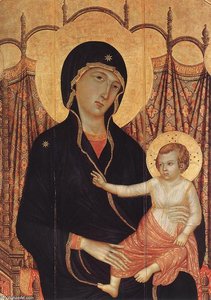
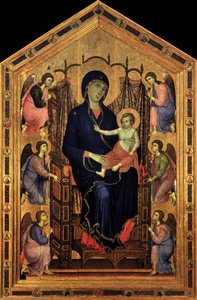
1285年,杜乔创作了《卢卡堡圣母》(Rucellai Madonna),这幅画作标志着他艺术风格的一个重要转折点。虽然仍然保留了拜占庭绘画的一些特征,但作品中人物形象更加生动,表情也更富于情感。杜乔开始尝试运用透视技巧来营造空间感,使画面不再是平面化的,而是呈现出一种立体的效果。圣母的衣褶和面部表情都经过精心刻画,展现了艺术家对人性的深刻理解。《卢卡堡圣母》不仅是一幅宗教作品,更是一件充满人文关怀的艺术品,它预示着杜乔将要开创的一种新的绘画风格。
《 maestà 》:巅峰之作与西恩纳画派的奠基
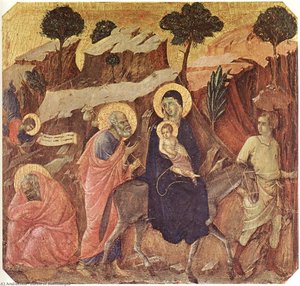
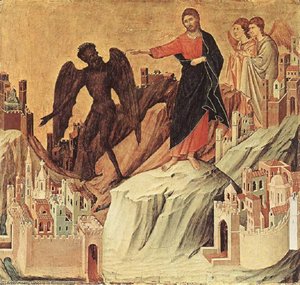
杜乔最伟大的成就无疑是1308年至1311年创作的《 maestà》(大圣母)。这幅巨大的祭坛画,为西恩纳大教堂而作,是杜乔艺术生涯的巅峰之作。作品由多块面板组成,描绘了圣母玛利亚和耶稣基督的一生故事。在《 maestà 》中,杜乔将拜占庭绘画的传统与哥特式绘画的新元素完美地结合在一起。他运用鲜艳的色彩、精细的线条和富有表现力的面部表情,创造了一个充满神性和人性的世界。作品中的每一个细节都经过精心设计,从圣母的服饰到天使的翅膀,无不体现了杜乔对艺术的极致追求。《 maestà 》不仅是一件伟大的艺术品,更是西恩纳画派的奠基之作,它影响了后世无数的艺术家。
杜乔的影响与历史地位
杜乔的艺术风格对意大利绘画产生了深远的影响。他开创的西恩纳画派,培养了一批杰出的画家,如西蒙内·马丁尼、利波·梅米和洛伦采蒂兄弟等。他们的作品继承了杜乔的传统,并在此基础上不断创新。《 maestà 》也成为了后世艺术家学习的典范,它对文艺复兴时期的绘画产生了重要的影响。尽管在艺术史上,杜乔有时会被吉奥托的光芒所掩盖,但他的贡献是不可磨灭的。他是一位伟大的画家,一位杰出的革新者,一位西恩纳画派的奠基人。他的作品不仅展现了精湛的绘画技巧,更体现了对宗教信仰和人文精神的深刻理解。
杜乔艺术风格的特点
- 拜占庭传统与哥特式风格的融合: 杜乔巧妙地将拜占庭绘画的金箔、程式化的人物形象与哥特式绘画的空间感和自然主义相结合,创造出一种独特的艺术风格。
- 对人物情感的细腻刻画: 杜乔的作品中人物表情丰富,充满情感,这在之前的拜占庭绘画中是很少见的。
- 色彩的运用: 他善于运用鲜艳而和谐的色彩,营造出一种庄严而神圣的氛围。
- 对透视和空间感的探索: 杜乔尝试运用透视技巧来营造空间感,使画面更加立体生动。
- 叙事性与装饰性的结合: 他的作品既具有强烈的叙事性,又兼具装饰美,体现了西恩纳画派的特点。
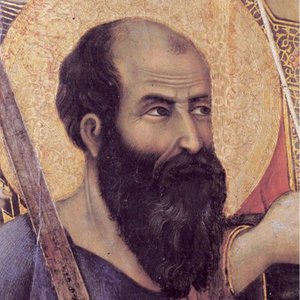
杜乔
1255 - 1319 , 意大利
艺术家简介
- Artistic Movement Or Style: 哥特式,锡耶纳画派
- Artists Or Movements Influenced By This Artist:
- 锡耶纳画派
- 意大利哥特式
- Artists Who Influenced This Artist: ['拜占庭艺术']
- Date Of Birth: 约1255年
- Date Of Death: 1319年
- Full Name: 杜乔·迪·布奥尼塞尼亚
- Nationality: 意大利人
- Notable Artworks:
- 卢卡西亚圣母像
- 至高无上之母
- 第二号多联画
- Place Of Birth: 锡耶纳, 意大利
相关文章

Proto-Renaissance Masters: 10 Artworks That Changed History | AllPaintingsStore
Journey back to the dawn of Renaissance art! Explore 10 iconic Proto-Renaissance masterpieces by Giotto, Cimabue & Duccio. Discover their stories, techniques & lasting impact. Find museum-quality reproductions for your home at AllPaintingsStore.com
拉斐尔大师25幅杰作:艺术、历史与家居装饰灵感 | AllPaintingsStore
探索拉斐尔大师的25幅杰作!深入了解文艺复兴艺术、意大利绘画和经典油画背后的故事。AllPaintingsStore.com提供博物馆品质的拉斐尔作品复制品,为您的家居装饰带来永恒之美。立即在线探索完整系列。

Sacred Narratives on Canvas: Exploring Biblical Art Across Centuries
Explore the rich history of biblical art from Giotto to the Renaissance masters. Discover symbolism, techniques & enduring legacies with AllPaintingsStore – your source for museum-quality reproductions and expert art insights.

Illuminating Faith: Biblical Scenes & Their Enduring Legacy in Art History
Explore the profound history of biblical art! Discover Renaissance masterpieces by Giotto & more. Uncover symbolism, artistic techniques, and lasting influence. Expert insights at AllPaintingsStore.
穹顶之上,复兴新生:现代空间中的经典壁画再构与艺术意境
探索穹顶画的艺术魅力与现代空间设计中的创新应用。从文艺复兴经典到定制壁画服务,AllPaintingsStore为您提供专业的艺术咨询、高品质再现和个性化解决方案,提升酒店空间的艺术氛围。