

1864. Acrylic On Canvas. 奥赛博物馆.

§ 1目录数据


§ 2摘要
藏品详情
Admire Edouard Manet’s iconic ‘Fruit on a Table’ (1864), a masterpiece of Realism capturing vibrant fruit and elegant composition. Explore Impressionistic beauty & Manet's legacy at WikiArt.
 展开全文
展开全文
艺术家简介
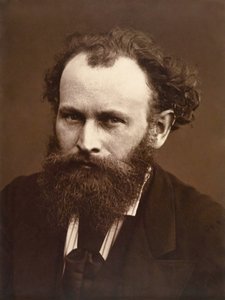
探索爱德华·马奈 (1832-1883),一位连接现实主义与印象派的关键人物。 欣赏标志性作品如《草地上的午宴》和《奥林匹亚》,以及他对现代艺术的持久影响。 马奈以其大胆的笔触、对现代生活的描绘和挑战传统观念而闻名,是19世纪法国艺术的重要先驱。
§ 3赏析
A Snapshot of Modern Life: Examining Manet’s ‘Fruit on a Table’
Édouard Manet's “Fruit on a Table,” completed in 1864, transcends mere depiction; it embodies the spirit of Impressionism and serves as a pivotal moment in artistic history. More than just an arrangement of oranges, apples, grapes, and a bowl upon a tabletop—it’s a deliberate provocation against academic conventions and a testament to Manet's groundbreaking approach to capturing fleeting moments of everyday experience. As a connoisseur at AllPaintingsStore.com and seasoned art historian, I can confidently assert that this painting resonates deeply with anyone interested in understanding the genesis of modern art.Composition and Technique: Breaking Free From Tradition
Manet’s genius lay not in slavishly replicating classical ideals but in rejecting them outright. Unlike his predecessors who meticulously blended pigments to achieve idealized forms, Manet employed bold brushstrokes—a technique championed by Cézanne—to convey texture and movement. Observe how the artist abandons smooth gradations of color for visible strokes that capture the play of light on the fruit’s surfaces. This deliberate disregard for academic precision wasn't merely stylistic; it reflected a broader philosophical shift toward embracing spontaneity and capturing the immediacy of observation. The table itself is rendered with understated realism, grounding the luminous fruits in a tangible space—a subtle yet significant departure from the idealized backgrounds favored by earlier artists.Historical Context: Paris at the Dawn of Impressionism
“Fruit on a Table” emerged during a period of intense artistic ferment in Paris – the burgeoning Impressionist movement was challenging established norms and redefining what constituted “beauty.” Artists like Monet, Renoir, and Degas were experimenting with plein air painting—capturing landscapes and scenes from daily life outdoors—a radical concept at the time. Manet’s decision to depict a commonplace subject—fruit—was itself subversive. The academic tradition favored grand historical narratives or mythological allegories; Manet chose instead to focus on the tangible world, presenting it without embellishment. Furthermore, consider the influence of absinthe – a drink popular amongst artists and intellectuals – which fueled creativity and arguably contributed to the boldness of artistic vision during this era (https://en.wikipedia.org/wiki/Absinthe).Symbolism Beyond Appearance: Light, Shadow, and Emotion
While seemingly simple in its visual elements, “Fruit on a Table” is laden with symbolic significance. The vibrant colors—particularly the oranges—represent warmth and vitality, mirroring the optimism of the era. However, Manet’s masterful manipulation of light and shadow imbues the painting with an emotional depth that transcends mere representation. Notice how the shadows cast by the fruit create a sense of stillness amidst the energetic brushstrokes. This juxtaposition speaks to the complexities of modern life—the beauty found within ordinary moments alongside the underlying tension of change. The inclusion of two cups adds another layer of intrigue, hinting at contemplation and perhaps even melancholy – emotions that resonate powerfully with viewers today.Legacy and Influence: Shaping Modern Art
“Fruit on a Table” stands as an undeniable cornerstone of modern art, profoundly impacting subsequent generations of artists. Cézanne famously declared Manet “the father of us all,” recognizing his pioneering use of technique and his willingness to challenge artistic conventions. The painting’s influence can be seen in countless works that followed—artists embraced Manet's expressive brushwork and his commitment to capturing the essence of reality rather than striving for idealized perfection. Today, reproductions of this masterpiece continue to inspire artists and collectors alike, reminding us that true beauty resides not in flawless imitation but in courageous innovation. Explore more stunning Impressionist artworks at /art/list/?Filter=8EWFJW-Edouard-Manet-Fruit-on-a-Table and /art/list/?Filter=8YDM2S-Edouard-Manet-Peony-Stems-and-Pruning-Shears. Discover the Musée d'Orsay’s extraordinary collection: https://AllPaintin常见问题与解答
马奈 的《Fruit on a Table》 的创作年份是哪一年?
马奈 的《Fruit on a Table》创作于1864年。
下单前可以预览 马奈 的《Fruit on a Table》 吗?
您可以在作品的效果预览页面查看马奈 的《Fruit on a Table》的预览。
我可以在这里订购"Fruit on a Table"的油画复制品吗?
您可以在马奈 的《Fruit on a Table》的手工油画复刻页面直接订购其手绘复制品:亚麻画布手工油画复制品,按需定制。


 切换至版画销售渠道


 对于任何边长超过 105 厘米(约 41 英寸)的艺术品或复制品,画框将以拆解后的组件形式发货。此方法可确保安全送达并防止运输过程中的损坏。


