

1916. Oil On Canvas. 下萨克森州立博物馆.

§ 1目录数据


§ 2摘要
藏品详情
A hauntingly desolate landscape of decay defines Egon Schiele's 1916 Expressionist masterpiece The Mill, capturing the profound anxieties of WWI through a crumbling structure and inviting you to explore its raw emotion.
 展开全文
展开全文
艺术家简介
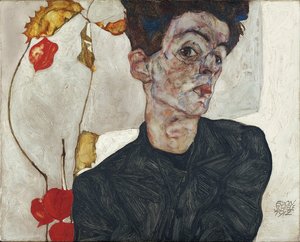
探索奥地利表现主义画家埃贡·席勒 (1890-1918) 的充满情感的艺术:大胆肖像、心理主题和独特的线条。现在就发现他的杰作!席勒以其对死亡、性与孤立的深刻描绘而闻名,作品如《自画像(带石刁柏)》等,是20世纪早期艺术的重要代表。
§ 3赏析
A Study in Desolation
Step closer and observe the quiet decay within this 1916 oil on canvas. The scene presents a crumbling mill, its wooden structure fractured and worn, set against a backdrop of muted blues and greys. There is a profound sense of isolation here. A solitary figure stands near the center, perhaps the artist himself, gazing upon the ruined edifice with a heavy stillness. Scattered throughout the composition, several chairs and a bench lie abandoned, their presence emphasizing a sudden absence of human companionship. The way the light falls—sparingly, almost hesitantly—casts long shadows that deepen the sense of ruin. It is a landscape of loss.
The Weight of the Era
To understand this work, one must consider the atmosphere of Europe during the Great War. The painting captures the widespread anxiety and disillusionment of 1916. Schiele uses a deliberate flattening of perspective and meticulous brushwork to move away from traditional realism. Instead, he focuses on an expressive gesture that speaks to internal turmoil. The cool, somber palette reflects a period characterized by pervasive gloom and the inescapable confrontation with mortality. Every element, from the broken wood of the mill to the empty seating, points toward a deeper exploration of vulnerability and the fragility of existence.


 切换至版画销售渠道


 对于任何边长超过 105 厘米(约 41 英寸)的艺术品或复制品,画框将以拆解后的组件形式发货。此方法可确保安全送达并防止运输过程中的损坏。


