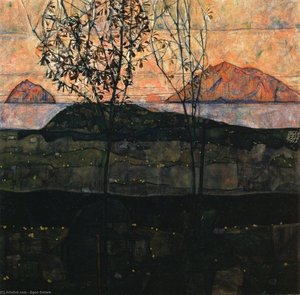
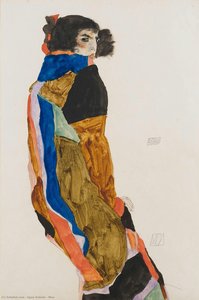
效果预览
效果预览
 购买手绘画作
 分享
分享 分享
分享
 详情
详情

 下载
下载
 相似作品
相似作品 X射线
X射线 幻灯片播放
幻灯片播放untitled (657)

 展开详情
展开详情




P118B $10

P118H $10

P118W $10

P438Z $10

P508JH $12

P508YH $12

P805H $10

P805Z $10

P919BZ $10

P919G $10

P919XJ $10

P959ZH $10

P968JZ $12

W106C $8

W218G $10

W218JH $8

W218Y $10

W307PJ $10

W316G $10

W316PJ $8

W316Y $10

W398PJ $8

W4111J $10

W500HY $15

W500JH $15

W692G $12

W849H $8

W940BG $15

W953PJ $8




从与原作比例一致的预设尺寸中进行选择。

您可以输入自定义尺寸,以适配特定的画框或空间。如果您选择的尺寸与原图比例不符,我们将对作品进行裁剪,或通过镜像填充/纯色填充边缘的方式来扩展图像。在开始制作之前,我们会向您发送一份数字效果图供您确认。
请注意,屏幕上的预览并不能反映实际的裁剪或扩展效果。只有效果图才能准确展示最终的构图。
虽然我们提供定制尺寸,但为了保持原图比例,我们建议您从预设列表中选择尺寸。


 玻璃选项仅适用于110厘米以下的尺寸。

untitled (657)
艺术微喷/版画
复制品尺寸
-


最终总价
$ 64
藏品详情
Egon Schiele’s “Nude Seated Woman” – A Study in Vulnerability and Expression
The watercolor painting "Nude Seated Woman," created by Austrian Expressionist Egon Schiele in 1912, stands as a haunting testament to the artist's preoccupation with themes of mortality, vulnerability, and psychological intensity. More than just a depiction of the human form, it’s an exploration of inner turmoil rendered in a strikingly emotive style that continues to captivate audiences today.Composition and Style – Embracing Distortion
Schiele’s masterful composition prioritizes verticality, emphasizing the seated woman's posture—a deliberate choice designed to convey both stillness and profound unease. The figure occupies nearly the entire frame, minimizing perspective and fostering a sense of claustrophobia. Characteristic of Schiele’s oeuvre, the painting employs distortion – subtly warping anatomical proportions – not for mere accuracy but to amplify emotional resonance. This stylistic decision aligns perfectly with Expressionism's core belief that art should convey subjective experience rather than objective reality. The loose brushstrokes contribute to an impressionistic texture, blurring boundaries between form and color, mirroring the artist’s internal state.Technique – Watercolor’s Delicate Power
Schiele skillfully utilized watercolor pigments on paper—a medium known for its luminous qualities and ability to achieve remarkable tonal gradations. He achieved this effect through layering washes of yellow and brown pigment, meticulously blending colors to create a harmonious yet unsettling palette. The artist's technique is characterized by deliberate spontaneity; visible brushstrokes convey movement and energy despite the woman’s seated position. Schiele employed glazing—applying thin translucent layers of color over previously painted surfaces—to build up depth and luminosity, enhancing the painting’s ethereal beauty while simultaneously underscoring its melancholic mood.Historical Context – The Shadow of Freud
Schiele's artistic explorations coincided with a period of intense intellectual ferment fueled by Sigmund Freud’s groundbreaking psychoanalytic theories. Freud’s investigations into the unconscious mind profoundly influenced Schiele’s worldview, prompting him to confront anxieties surrounding sexuality and death—themes that permeate his entire body of work. “Nude Seated Woman” reflects this broader cultural preoccupation with psychological complexity, mirroring Freud's own attempts to decipher hidden motivations and emotional landscapes. The painting emerged during a time when artists were actively rejecting academic conventions in favor of subjective expression, cementing Schiele’s place as a pivotal figure in the Expressionist movement.Symbolism – Fragility and Contemplation
The woman herself embodies vulnerability—her gaze averted downwards suggests introspection and perhaps even despair. The inclusion of a single stalk holding a green leaf adds another layer of symbolic significance. Traditionally associated with rebirth and renewal, the leaf juxtaposes against the woman’s posture, hinting at an awareness of mortality while simultaneously conveying a yearning for transcendence. Furthermore, Schiele's deliberate use of muted colors—primarily yellows and browns—contributes to the painting’s somber atmosphere, mirroring the artist’s own emotional landscape and reinforcing the overarching theme of existential anxiety.Emotional Impact – A Portrait of Inner Turmoil
Ultimately, “Nude Seated Woman” transcends mere visual representation; it communicates profound psychological depth. The painting evokes feelings of melancholy, apprehension, and contemplation—drawing viewers into a confrontation with their own anxieties about life and death. Schiele’s masterful manipulation of form and color compels us to consider the complexities of human experience beyond surface appearances. It remains an enduring masterpiece—a poignant reminder that art can illuminate the darkest recesses of the human psyche and offer solace amidst uncertainty.


艺术家简介
埃贡·席勒:维也纳心理现实主义的先驱
埃贡·席勒(Egon Schiele,1890-1918)是奥地利表现主义绘画的杰出代表,他的作品以其深刻的心理洞察力、大胆的笔触和对人性的直白探索而闻名。他短暂却辉煌的一生,如同流星般划过20世纪初的维也纳艺术天空,留下了令人难以忘怀的印记。席勒并非仅仅是一位画家,更是一位深刻的思想者和情感的表达者,他的作品是对当时社会道德观念的挑战,也是对人类存在本质的探寻。
童年阴影与艺术萌芽
1890年6月12日,席勒出生于下奥地利图尔恩的一个小镇。父亲是一位铁路局长,家庭环境相对稳定,但命运却并未眷顾这位年轻的艺术家。幼年的席勒经历了许多不幸:父亲因梅毒去世,姐姐也早逝,这些悲剧性的事件在他心中留下了深刻的阴影,并深深影响了他的艺术创作。尽管如此,席勒从小就表现出对绘画的浓厚兴趣,他用稚嫩的笔触描绘着火车、车站和周围的景物,这些早期的作品中已经蕴含着他对线条和构图的敏锐感知。在克雷姆斯中学期间,一位名叫路德维希·卡尔·施特劳赫的艺术老师发现了席勒的天赋,并给予了他鼓励和指导,这对于他未来的艺术道路至关重要。
维也纳:艺术觉醒与风格探索
1906年,席勒前往维也纳求学,进入美术学院学习。然而,学院的保守教学方法很快让他感到窒息。他渴望自由、创新和更深刻的表达方式。在维也纳,席勒结识了古斯塔夫·克林姆(Gustav Klimt),这位前辈艺术家对席勒产生了深远的影响。克林姆的装饰风格和象征主义探索为席勒提供了灵感,但席勒并未完全跟随克林姆的脚步,而是逐渐形成了自己独特的艺术语言。他与几位志同道合的艺术家共同创立了“新艺术团体”,挑战着当时的主流审美观念。席勒的作品开始呈现出一种强烈的个人风格:扭曲的人体、尖锐的线条和充满焦虑的情绪,这些都成为了他作品的标志性特征。
人性的剖析与心理现实主义
席勒最引人注目的特点在于他对人性的深刻剖析。他的作品常常描绘裸体人物,但并非以传统的美学标准来衡量,而是着重表现人物内心的挣扎、孤独和焦虑。他毫不掩饰地展现了人体的缺陷和脆弱,这在当时的社会环境中是极具争议的。席勒的自画像系列更是对自我探索的一次深刻尝试,他用画笔记录下自己不同心境下的形象,坦诚地面对自己的内心世界。他的作品并非简单的肖像画,而是对人物心理状态的细致刻画,展现了一种独特的“心理现实主义”。席勒还经常使用象征性的元素来表达更深层次的主题,例如他笔下反复出现的黄瓜植物,常常被解读为死亡和短暂生命的象征。
短暂而辉煌的艺术生涯
尽管席勒的艺术才华得到了认可,但他的一生却充满了挑战。他的作品经常受到批评家的质疑,甚至遭到法律的制裁。然而,他从未放弃自己的艺术追求,始终坚持用画笔表达内心的真实感受。1918年,正值西班牙流感大流行时期,席勒不幸感染了流感,于同年10月31日去世,享年仅28岁。他的离世是艺术界的一大损失,但他也留下了宝贵的艺术遗产。如今,席勒的作品在世界各地的博物馆和画廊中展出,吸引着无数观众的目光。他被誉为奥地利表现主义的先驱,对后世的艺术家产生了深远的影响。席勒的作品不仅仅是视觉上的享受,更是一种深刻的精神体验,它引导我们去思考人生的意义、死亡的必然性和人类存在的脆弱性。
席勒艺术风格的几个关键要素
- 扭曲的人体: 席勒的人物形象常常呈现出一种扭曲和变形的状态,这并非为了追求美感,而是为了表达人物内心的不安和焦虑。
- 尖锐的线条: 他善于运用尖锐、粗犷的线条来勾勒人物轮廓,增强作品的视觉冲击力。
- 象征性的元素: 席勒的作品中经常出现一些具有象征意义的物体或植物,例如黄瓜,这些元素为作品增添了更深层次的含义。
- 对人性的直白探索: 他毫不掩饰地展现了人体的缺陷和脆弱,以及人物内心的挣扎和孤独。
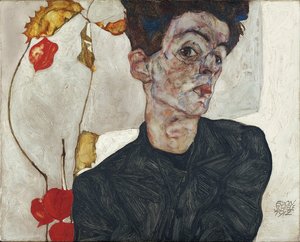
埃贡·席勒
1890 - 1918 , 奥地利
艺术家简介
- 全名: 埃贡·席勒
- 出生地点: 多恩(奥地利)
- 出生日期: 1890年6月12日
- 去世日期: 1918年10月31日
- 受影响的艺术家或运动: ['表现主义']
- 国籍: 奥地利
- 影响艺术家: ['古斯塔夫·克林姆特']
- 艺术运动或风格: 表现主义
- 著名作品:
- 《带岩梅的自画像》
- 《拥抱的恋人组合》
- 《克鲁马乌附近的麦田风景》
相关文章

Watercolor Art Guide: Mastering Transparency and Light for Professional Hospitality Decor
Elevate hospitality interiors with our professional guide to watercolor art. Discover how transparency and light enhance hotel decor through expert selection of high-quality, custom reproductions and large-scale murals tailored for designers and procurement managers.