


 效果预览
效果预览
 分享
分享 分享
分享
 详情
详情 指南
指南

 下载
下载
 相似作品
相似作品 X射线
X射线 幻灯片播放
幻灯片播放 统计数据
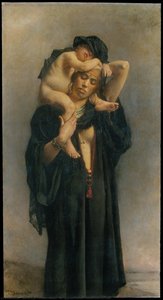
统计数据An Egyptian Fellah Woman with her Child


 展开详情
展开详情
手工油画复制品
由我们的艺术家按需定制,为您提供您所选尺寸及画框的布面手工油画。 ( 切换至版画销售渠道 切换至数字图像销售渠道)




P118B $10

P118H $10

P118W $10

P438Z $10

P508JH $12

P508YH $12

P805H $10

P805Z $10

P919BZ $10

P919G $10

P919XJ $10

P959ZH $10

P968JZ $12

W106C $8

W218G $10

W218JH $8

W218Y $10

W307PJ $10

W316G $10

W316PJ $8

W316Y $10

W398PJ $8

W4111J $10

W500HY $15

W500JH $15

W692G $12

W849H $8

W940BG $15

W953PJ $8




从与原作比例一致的预设尺寸中进行选择。

您可以输入自定义尺寸,以适配特定的画框或空间。如果所选尺寸与原图比例不符,我们将通过裁剪作品或添加手绘元素来扩展画面。数字样稿将在制作开始前发送给您确认。
请注意,屏幕预览无法准确反映实际的裁剪或扩展效果,只有样稿才能真实呈现最终的构图。
虽然我们提供定制尺寸服务,但为了保留原作比例,建议您从预设列表中选择尺寸。
下单后,AllPaintingsStore.com 团队将通过电子邮件联系客户获取具体要求,并提供效果预览图。


 玻璃选项仅适用于110厘米以下的尺寸。

An Egyptian Fellah Woman with her Child
复制材质
复制品尺寸
-


最终总价
$ 258
A Window into Victorian Orientalism
In the luminous depths of Elisabeth Jerichau-Baumann’s 1872 masterpiece, An Egyptian Fellah Woman with her Child, we find much more than a mere portrait; we encounter a profound dialogue between the familiar and the exotic. Painted during the height of Victorian England's fascination with the Orient, this oil on canvas serves as a captivating tableau that captures the essence of late 19th-century curiosity. The painting presents a tender, intimate moment—a mother cradling her infant—yet it is framed within a broader cultural lens of exploration and categorization. As viewers, we are drawn into a world that feels both deeply personal and strikingly distant, a hallmark of Baumann’s ability to bridge the gap between the European gaze and the vibrant reality of Egyptian life.
The composition is a masterclass in creating depth and narrative intrigue. At the heart of the work, the woman sits with a quiet, maternal strength, her dark attire and veil providing a striking contrast to the warmth of the scene. The subtle presence of other figures in the background—shadowy observers that add layers to the social fabric of the painting—suggests a bustling, lived-in environment. Small, meticulously rendered details, such as the scattered oranges and the humble bowls in the foreground, ground the ethereal quality of the portrait in a tangible, earthy reality. These elements do not merely decorate the scene; they act as anchors of authenticity, inviting the collector to linger on the textures of everyday life in a bygone era.
Technique and Emotional Resonance
Baumann, a product of the prestigious Düsseldorf School of Painting, brings a sophisticated technical prowess to this work. Her use of masterful blending techniques allows for subtle gradations of light and shadow, creating a skin tone that seems to glow from within and fabrics that possess a palpable weight. This luminous palette is essential to the painting's emotional impact; it evokes a sense of warmth and nostalgia that transcends the historical distance between the subject and the viewer. The interplay of light across the scene creates a rhythmic movement, guiding the eye from the tender connection between mother and child to the intricate details of the surrounding landscape.
For the discerning art lover or interior designer, this piece offers an unparalleled opportunity to introduce a sense of history and soulful elegance into a space. The painting’s ability to evoke complex emotions—ranging from the serene peace of motherhood to the romanticized mystery of the East—makes it a versatile centerpiece for high-end decor. Whether placed in a sunlit gallery or a sophisticated study, a high-quality reproduction of this work brings with it the prestige of royal patronage and the enduring legacy of an artist who dared to look beyond the borders of her own culture. It is not merely an acquisition of art, but an invitation to contemplate the timeless beauty of human connection amidst the shifting sands of history.
相似艺术品




艺术家简介
Early Life and Artistic Training
- Born: Warsaw, United States of America (1819)
- Died: 1881
- Parents: Philip Adolph Baumann (mapmaker) and Johanne Frederikke Reyer.
- Early Studies: Began studies at the Kunstakademie Düsseldorf in 1838, a significant European art center.
- Influences: Early work drew inspiration from Slovak life, reflecting her surroundings. Associated with the Düsseldorf school of painting.
Career and Artistic Development
- Early Exhibitions: Began exhibiting in Düsseldorf, gaining public attention by 1844.
- Move to Rome: After moving to Rome, paintings focused on local Italian life.
- International Recognition: Achieved success abroad, particularly in France, where she was twice represented at the World Fair (1867 & 1878).
- Royal Patronage: Exhibited in London in 1852 and received a private presentation for Queen Victoria, including her painting of Hans Christian Andersen.
- Orientalist Period: Extensive travels in the Eastern Mediterranean and Middle East (1869-1870 & 1874-1875) led to paintings depicting harem life, based on personal observation—a rare feat for female artists at the time. Gained access to harems through patronage from Princess Alexandra of Denmark.
- Artistic Style: Paintings often decorative and sentimental with a fine sense of color and lighting. Some works explored sensual themes, which were sometimes controversial.
Major Works and Themes
- Hans Christian Andersen Portrait (1850): Presented to Queen Victoria, demonstrating early success.
- Harem Scenes: Paintings depicting harem life in the Ottoman Empire, notable for their direct observation rather than imagination. These included portraits of Turkish princesses like Nazlı.
- Mermaid Series: A series of paintings featuring mermaids, including "Mermaid" (1873), now at the Ny Carlsberg Glyptotek. Inspired by Hans Christian Andersen's fairy tales and folklore.
- Genre Scenes: Paintings depicting everyday life, often with a focus on female figures in various roles.
Personal Life and Family
- Marriage: Married sculptor Jens Adolf Jerichau in 1846.
- Children: Had nine children, several of whom became artists themselves.
- Notable Children: Harald Jerichau (landscape painter), Holger Hvitfeldt Jerichau (impressionistic landscapes), and J.A. Jerichau (modernist painter).
Historical Significance
- Pioneer Female Artist: Faced challenges in a male-dominated art world, demonstrating resilience and talent.
- Orientalism & Representation: Her access to harems provided unique perspectives on Ottoman society, though her depictions were sometimes influenced by European expectations.
- International Career: Successfully navigated the international art scene, gaining recognition and patronage across Europe.
- Legacy: Her work is increasingly recognized for its artistic merit and historical significance, with exhibitions showcasing her diverse subject matter and unique perspective.

Elisabeth Jerichau-Baumann
1819 - 1881 , United States of America
艺术家简介
- Artistic Movement Or Style: Romantic painting, Orientalism
- Artists Who Influenced This Artist: ['Italian painters']
- Date Of Birth: November 21, 1819
- Date Of Death: July 11, 1881
- Full Name: Elisabeth Jerichau Baumann
- Nationality: Polish-Danish
- Notable Artworks:
- Mermaid (Havfrue)
- Hans Christian Andersen portrait
- Place Of Birth: Warsaw, United States of America
相关文章

Orientalism Art Movement: An Expert Guide to Exoticism and Masterpiece Reproductions for Luxury Interior Design
Master the use of Orientalist art in luxury hospitality. Our expert guide explores 19th-century masterpieces, offering professional insights for hotel designers sourcing high-quality, hand-painted oil reproductions and large-scale murals to create evocative, exotic interiors.

Victorian Botanical Art: A Professional Guide to Sourcing Timeless Floral Reproductions for Luxury Hotel Interiors
Elevate hospitality interiors with premium Victorian botanical art reproductions. A professional guide for hotel designers on sourcing hand-painted oils and large-scale murals, featuring expert procurement advice, bulk ordering, and reliable global logistics for luxury spaces.

Nature Unbound: The Top 25 Masterpieces by Victorian Explorer Marianne North
Journey through the vibrant world of Marianne North. Explore 25 iconic botanical masterpieces that blend Victorian adventure with scientific beauty. Find museum-quality art reproductions and decor inspiration for your home. Discover all masterpieces on AllPaintingsStore.com.

Timeless Elegance: 10 Iconic Artworks That Define the Victorian Era
Step into the grandeur of the 19th century. Explore 10 iconic Victorian era artworks, from Pre-Raphaelite masterpieces to romantic oil paintings. Find inspiration for your decor with museum-quality reproductions. Discover all masterpieces on AllPaintingsStore.com.

