


 效果预览
效果预览
 购买手绘画作
 分享
分享 分享
分享
 详情
详情

 下载
下载
 相似作品
相似作品 X射线
X射线 幻灯片播放
幻灯片播放A Forest Path

 展开详情
展开详情




P118B $10

P118H $10

P118W $10

P438Z $10

P508JH $12

P508YH $12

P805H $10

P805Z $10

P919BZ $10

P919G $10

P919XJ $10

P959ZH $10

P968JZ $12

W106C $8

W218G $10

W218JH $8

W218Y $10

W307PJ $10

W316G $10

W316PJ $8

W316Y $10

W398PJ $8

W4111J $10

W500HY $15

W500JH $15

W692G $12

W849H $8

W940BG $15

W953PJ $8




从与原作比例一致的预设尺寸中进行选择。

您可以输入自定义尺寸,以适配特定的画框或空间。如果您选择的尺寸与原图比例不符,我们将对作品进行裁剪,或通过镜像填充/纯色填充边缘的方式来扩展图像。在开始制作之前,我们会向您发送一份数字效果图供您确认。
请注意,屏幕上的预览并不能反映实际的裁剪或扩展效果。只有效果图才能准确展示最终的构图。
虽然我们提供定制尺寸,但为了保持原图比例,我们建议您从预设列表中选择尺寸。


 玻璃选项仅适用于110厘米以下的尺寸。

A Forest Path
艺术微喷/版画
复制品尺寸
-


最终总价
$ 64
藏品详情
A Tranquil Journey: "A Forest Path" by Emilio Longoni
Step into a world of serene beauty with Emilio Longoni’s “A Forest Path,” an evocative landscape painting that captures the quiet majesty of the Italian countryside. This work transports viewers to a secluded grove of birch trees, where a winding path beckons towards a distant, hazy expanse – perhaps a clearing or a tranquil body of water. The scene exudes a sense of peaceful solitude, inviting contemplation and escape from the bustle of everyday life.Impressionistic Technique & Divisionist Influences
Longoni’s style is firmly rooted in Impressionism, evident in his masterful use of visible brushstrokes and broken color. The painting isn't about photographic realism; instead, it prioritizes the *impression* of light and atmosphere. Notice how the artist layers paint to build up texture and depth, creating a vibrant surface that shimmers with subtle variations in tone. While primarily Impressionistic, hints of Divisionism—a movement Longoni explored—can be detected in the deliberate separation of colors, contributing to the painting’s luminous quality. The technique involves layering paint to build up color and texture. The materials appear to be oil paints on canvas, judging by the visible impasto and blending of colors.Subject & Composition: A Study in Verticality
The subject matter is a quintessential landscape – a natural scene emphasizing the beauty and tranquility of a forest. The composition is strikingly vertical, dominated by the slender trunks of the birch trees which draw the eye deep into the forest's embrace. This creates a sense of perspective, with the diminishing size of the trees guiding the viewer’s gaze towards the distant horizon. The soft, diffused lighting—suggesting an overcast day or late afternoon—further enhances the painting’s tranquil mood. The flattened perspective prioritizes atmosphere over strict realism, immersing the viewer in the scene's quietude.Historical Context & Artistic Journey
Emilio Longoni (1859-1932) was an Italian painter who flourished during a period of significant artistic experimentation. Born in Barlassina, he studied at the Brera Academy in Milan alongside prominent figures like Gaetano Previati and Giovanni Segantini. His early career included still lifes, but he later turned to landscapes, influenced by both Impressionist principles and the emerging Divisionist movement. Longoni’s exploration of light and color reflects a broader artistic trend towards capturing subjective experience rather than objective reality—a hallmark of late 19th-century European art. His association with Segantini introduced him to the brothers Alberto and V—further enriching his artistic development.Emotional Impact & Decorative Appeal
“A Forest Path” evokes a profound sense of serenity and immersion in nature. The painting’s calming palette, coupled with its evocative subject matter, makes it an ideal choice for creating a peaceful atmosphere within any interior space. Whether adorning a living room, study, or bedroom, this reproduction will bring a touch of Italian artistry and natural beauty to your home. It's a piece that invites quiet contemplation and offers a welcome respite from the demands of modern life.相似艺术品


艺术家简介
Emilio Longoni: A Pioneer of Divisionism and Alpine Spirituality
Emilio Longoni (1859 – 1932) stands as a significant figure in Italian Impressionist painting, particularly renowned for his masterful depiction of alpine landscapes infused with Buddhist influences. Born in Barlassina, Lombardy, he descended from Matteo Longoni, a celebrated horseshoeer and volunteer soldier under Garibaldi, shaping his early life amidst the fervor of nationalist ideals. From a young age, Longoni demonstrated an unwavering passion for art, pursuing formal education after elementary school and embarking on a journey that would ultimately lead him to Milan’s artistic epicenter. His formative years were spent honing his skills at the Brera Academy night school alongside fellow luminaries like Gaetano Previati and Giovanni Segantini – artists who profoundly impacted Longoni's stylistic trajectory. The studio of Alberto and Vittore Grubicy, established in 1882, served as a crucial incubator for young talent, introducing him to influential patrons and fostering connections within the Milanese art world. Early exhibitions at the Brera showcased his burgeoning talent, establishing him as a promising artist on the cusp of recognition. Longoni’s artistic evolution began with meticulous still lifes capturing the subtleties of rural life—primarily executed during his time in Naples and Barlassina between 1880-1884—demonstrating an acute observation of natural forms and textures. However, it was his embrace of Divisionism, championed by Segantini, that cemented his legacy. This revolutionary technique, characterized by juxtaposed brushstrokes of complementary colors to create luminous effects, allowed Longoni to translate the grandeur of the alpine mountains onto canvas with unparalleled vibrancy and dynamism. His landscapes became a testament to this innovative approach, capturing not merely visual impressions but also conveying an inner spiritual resonance. Throughout his prolific career spanning from 1891 to 1932, Longoni participated in numerous prestigious exhibitions—both domestically and internationally—solidifying his reputation as one of Italy’s foremost landscape painters. He cultivated a deep connection with the Bernina Range, returning repeatedly to its peaks to paint directly from life, imbuing his canvases with an authentic sense of place and emotion. His clientele included prominent Milanese figures like Giovanni Torelli and Giuseppe Treves, reflecting the esteem he commanded within the artistic community. Furthermore, Longoni’s unwavering dedication to Buddhist principles profoundly shaped his worldview and informed his artistic vision—a duality that distinguishes him as a truly exceptional artist. His enduring contribution lies in his ability to synthesize Impressionistic aesthetics with Eastern spiritual contemplation. Longoni's paintings transcend mere representation; they invite viewers into a realm of serene beauty and contemplative reflection, mirroring the core tenets of Buddhist philosophy. Emilio Longoni’s legacy continues to inspire artists today, securing his place as a pivotal figure in the history of Italian art and a champion of alpine spirituality.
emilio longoni
1859 - 1932
艺术家简介
- Artistic Movement Or Style: Divisionist Art
- Artists Or Movements Influenced By This Artist: ['Impressionism']
- Artists Who Influenced This Artist: ['Giovanni Segantini']
- Date Of Birth: 1859
- Date Of Death: 1932
- Full Name: Emilio Longoni
- Nationality: Italian
- Notable Artworks:
- A Forest Path
- A Fisher Girl
- Milanese countryside
- Place Of Birth: Barlassina, Italy
相关文章
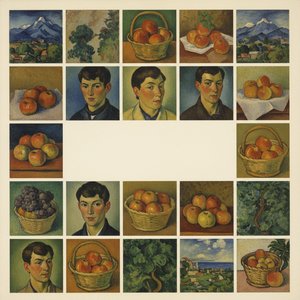
保罗·塞尚:25幅大师杰作,重塑现代艺术与家居美学 | AllPaintingsStore
探索保罗·塞尚25幅经典杰作!深入了解后印象派大师的艺术生涯、独特技法与色彩运用。AllPaintingsStore提供高清油画复制品,为您的家居带来博物馆级艺术体验。立即发现更多名画,点亮生活空间!

Evocations of Place: A Historical Journey Through Landscape Art
Explore the rich history of landscape art with AllPaintingsStore. Discover renowned artists, movements like Impressionism & Romanticism, and expert guidance for collecting timeless pieces. Find your perfect serene escape today!

Arboreal Echoes: A Historical & Artistic Exploration of Trees in Painting
Explore the rich history of trees in painting! Discover symbolism, Romantic masterpieces by Caspar David Friedrich & beyond. A curated journey for art enthusiasts.

Evocations of Place: A Historical Journey Through Landscape Art
Explore the rich history of landscape art with AllPaintingsStore. Discover renowned artists, movements like Impressionism & tonalism, and expert guidance for collecting timeless pieces. Find your perfect serene escape today!

浪漫主义画派的十部巨作:定义风景画的艺术传奇
探索浪漫主义风景画的巅峰!本文精选十部经典名作,带您领略莫奈、库尔贝等大师的艺术魅力。感受色彩与光影的诗意,重温自然风光的震撼。AllPaintingsStore.com为您提供博物馆级别的艺术复制品和个性化家居装饰方案。尽在AllPaintingsStore.com!


