

Oil On Canvas.

§ 1目录数据


§ 2摘要
藏品详情
Ernst Ludwig Kirchner’s expressive Alpine kitchen captures the anxieties of German Expressionism with bold reds and yellows illuminating a tranquil interior scene featuring flowers, books, and a watchful black cat – discover this captivating artwork.
 展开全文
展开全文
艺术家简介
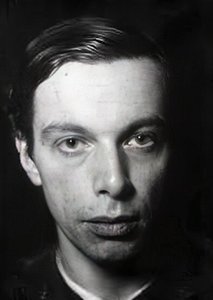
基尔希纳 (1880-1938) 是德国表现主义运动的关键人物,也是“桥社”的联合创始人。探索他大胆、富有情感的城市生活、人体和风景画作,见证了20世纪初德国社会变迁与内心挣扎。
§ 3赏析
A Window Into Alpine Anxiety
- Ernst Ludwig Kirchner’s “Alpine Kitchen” isn't merely a depiction of domesticity; it’s a profound exploration of psychological landscape—a snapshot frozen in time, capturing the anxieties simmering beneath the surface of rural German life during the early 20th century.
- Painted circa 1913-1914, this oil on canvas exemplifies the Expressionist movement's preoccupation with subjective experience and emotional intensity. Kirchner’s stylistic choices deliberately reject naturalistic representation in favor of conveying inner turmoil through bold color palettes and distorted forms.
Chromatic Intensity: The Language of Feeling
Kirchner’s masterful use of color is central to understanding the artwork's emotional core. Dominating the composition are walls painted a fiery red—a hue often associated with passion, anger, and danger—and cabinets rendered in vibrant yellow—representing optimism and warmth, yet simultaneously hinting at unease. These contrasting colors aren’t blended harmoniously; instead, they clash dramatically, mirroring the psychological tensions inherent in the scene.Technique and Texture: Capturing Imperfection
The artist employs a thick impasto technique—applying paint thickly onto the canvas—creating palpable textural surfaces that heighten the visual impact. Brushstrokes are visible and deliberate, conveying a sense of immediacy and spontaneity. Kirchner meticulously renders details like the vase filled with flowers and the open book, emphasizing precision while simultaneously injecting an element of imperfection. This textured surface contributes to the painting’s overall feeling of unease—a subtle reminder that beauty can coexist alongside darkness.Symbolism Within Still Life: Reflections of Modern Disquiet
Beyond its formal qualities, “Alpine Kitchen” is laden with symbolic significance. The cat perched on the windowsill represents solitude and contemplation, perhaps reflecting Kirchner’s own emotional isolation during a period marked by personal struggles. The objects within the kitchen—the vase, bowl, book—are commonplace items transformed into emblems of human existence. Their arrangement isn't random; it suggests a carefully constructed tableau designed to provoke introspection.Emotional Resonance: A Portrait of Inner Turmoil
Ultimately, “Alpine Kitchen” succeeds in conveying a powerful emotional resonance. It’s not a comforting scene—rather, it confronts viewers with the anxieties and uncertainties of the era. Kirchner's expressive brushwork and jarring color combinations capture the psychological state of his time—a world grappling with rapid industrialization, social upheaval, and existential dread. The painting remains an enduring testament to Expressionism’s ability to distill complex emotions into a deceptively simple visual form.常见问题与解答
"Alpine kitchen" 营造了怎样的氛围?
恩斯特·路德维希·基尔希纳 的《Alpine kitchen》 的整体基调为 Bold,这种基调传达了作品的整体氛围。
恩斯特·路德维希·基尔希纳 的《Alpine kitchen》 属于哪种艺术流派?
“Alpine kitchen”是一件German Expressionism时期的作品。该艺术流派体现了作品所属的艺术传统。
恩斯特·路德维希·基尔希纳 的《Alpine kitchen》 的亮度是多少?
恩斯特·路德维希·基尔希纳 的《Alpine kitchen》 的亮度为 Soft Shadow。亮度描述了色彩呈现出的反射光量。


 切换至版画销售渠道


 对于任何边长超过 105 厘米(约 41 英寸)的艺术品或复制品,画框将以拆解后的组件形式发货。此方法可确保安全送达并防止运输过程中的损坏。


