

Acrylic On Canvas.

§ 1目录数据

§ 2摘要
藏品详情
 展开全文
展开全文
艺术家简介
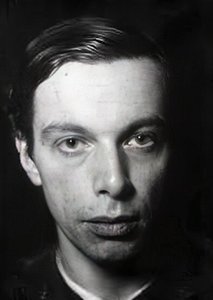
基尔希纳 (1880-1938) 是德国表现主义运动的关键人物,也是“桥社”的联合创始人。探索他大胆、富有情感的城市生活、人体和风景画作,见证了20世纪初德国社会变迁与内心挣扎。
§ 3赏析
Cows Grazing by Ernst Ludwig Kirchner
Ernst Ludwig Kirchner’s “Cows Grazing,” painted in 1918, stands as a cornerstone of German Expressionism—a movement that sought to convey raw emotion and psychological experience rather than objective representation. More than just a depiction of rural life, this artwork embodies the anxieties and uncertainties simmering beneath the surface of Europe during the tumultuous years leading up to World War I.
- Composition & Style: The painting’s dynamic arrangement immediately grabs the viewer's attention. Kirchner employs a layered composition featuring overlapping planes and shapes, mirroring the undulating contours of the hilly landscape. Thick impasto brushstrokes dominate, injecting palpable energy into every surface—a characteristic technique that reflects the Expressionist impulse to express inner turmoil outwardly.
- Color Palette & Lighting: Dominated by warm hues – fiery reds, vibrant oranges, sunny yellows, and verdant greens – “Cows Grazing” pulsates with color. Kirchner eschews realistic lighting; instead, he utilizes bold shades to heighten visual impact and emphasize the contours of his subjects. The juxtaposition of warm foreground tones against cooler background hues amplifies the painting’s emotional resonance.
- Technique & Materials: Executed in oil paint on canvas, Kirchner meticulously builds up texture through heavy impasto application. This tactile quality isn't merely decorative; it serves as a conduit for conveying emotion—a deliberate departure from academic precision and an embrace of expressive materiality.
The scene itself is rendered with simplified forms – blocky cows and stylized trees – prioritizing emotional impact over meticulous detail. Kirchner’s angular lines contribute to the painting's dynamism, mirroring the restlessness felt during a period marked by social upheaval and impending conflict. The flattened perspective subtly compresses space, creating an unsettling feeling of confinement despite the expansive vista.
Beyond its formal qualities, “Cows Grazing” resonates with deeper symbolic significance. It speaks to themes of vulnerability and resilience—the cows representing steadfastness amidst instability. Kirchner’s masterful use of color and texture captures not just a landscape but also the psychological state of an artist grappling with profound anxieties about his time. This artwork continues to inspire collectors and interior designers seeking pieces that convey both beauty and emotional depth.
- Historical Context: Created during the height of Expressionist fervor, “Cows Grazing” reflects the movement’s preoccupation with confronting existential dread—a reaction to the horrors unfolding across Europe. Kirchner's work aligns closely with fellow artists like Emil Nolde and Franz Marc, who similarly sought to distill emotion into visual form.
- Artist Inspiration: Kirchner drew inspiration from Albrecht Dürer’s masterful use of perspective and detail, yet rejected academic conventions in favor of a more visceral approach. His artistic vision—characterized by bold experimentation and uncompromising honesty—established him as one of the most influential figures of German Expressionism.
常见问题与解答
恩斯特·路德维希·基尔希纳 的《Cows grazing》展现了怎样的色彩和谐感?
恩斯特·路德维希·基尔希纳 的《Cows grazing》 的色彩呈现出一种 Discordant Palette 的和谐感。这种和谐感描述了色彩之间的相互关系。
恩斯特·路德维希·基尔希纳 的《Cows grazing》 是如何将 German Expressionism 与艺术家的祖籍国联系在一起的?
这件German Expressionism风格的作品《Cows grazing》出自一位出生于德国的艺术家之手。
"Cows grazing" 的主导色调是什么?
“Cows grazing”呈现出Golden Yellow Range色调。


 切换至版画销售渠道


 对于任何边长超过 105 厘米(约 41 英寸)的艺术品或复制品,画框将以拆解后的组件形式发货。此方法可确保安全送达并防止运输过程中的损坏。


