

1919. Oil On Canvas.

§ 1目录数据


§ 2摘要
藏品详情
Explore Fernand Leger’s "Study for the City," a Cubist cityscape bursting with bold colors & dynamic forms. A unique 1919 oil on canvas – art history meets industrial modernism.
 展开全文
展开全文
艺术家简介
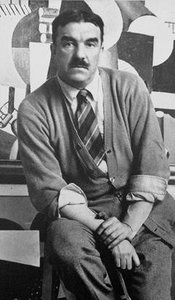
法国艺术家费尔南·莱热(1881-1955),现代主义先驱,以其独特的“筒状主义”和对机械美学的探索而闻名。他的作品融合了抽象与具象,预示着波普艺术的到来,并以大胆的色彩和简化形式描绘现代生活与工业景观。
§ 3赏析
A Vision of Modernity: Fernand Léger’s “Study for The City” (1919)
- Subject & Composition: This dynamic artwork, “Study for the City,” presents a fragmented and abstracted cityscape – a hallmark of Léger's distinctive style. Rather than depicting a realistic urban scene, it dissects the elements of industrial life—buildings, smokestacks, and infrastructure—into geometric forms. These shapes interlock and overlap, creating a sense of bustling energy and the complex layering inherent in modern cityscapes.
- Stylistic Innovation: Tubism & Cubist Roots Léger’s work is deeply rooted in Cubism, yet he evolved a unique approach often termed “Tubism.” This is evident in the emphasis on cylindrical forms and simplified shapes. Unlike traditional Cubism's analytical breakdown of objects, Léger embraced a more constructive aesthetic, building up his compositions from these fundamental geometric elements. The painting reflects the artist’s fascination with the machine age and its impact on visual perception.
- Technique & Materials: Executed in oil on canvas, “Study for the City” showcases Léger's masterful handling of paint. Layers are built up to create texture and depth, not through traditional shading but through the interplay of overlapping planes. The sharply defined lines contribute to a sense of dynamism and visual disruption. The bold color palette – a striking combination of primary and secondary hues against a dark background – further enhances the artwork’s energetic quality.
- Historical Context: Post-War Modernity Created in 1919, shortly after the end of World War I, this painting reflects a period of rapid industrialization and societal transformation. Léger witnessed firsthand the rise of modern technology and its impact on urban life. “Study for The City” isn’t merely a depiction *of* modernity; it's an attempt to capture its very essence – its speed, complexity, and often-alienating nature.
- Symbolism & Interpretation: The artwork invites multiple interpretations. It can be seen as a celebration of the machine age and the dynamism of urban life. Alternatively, it may symbolize the dehumanizing aspects of industrialization, where individuals are reduced to components within a larger, impersonal system. The fragmented forms could represent the fractured experience of modern existence.
- Emotional Impact & Artistic Legacy: “Study for the City” evokes a sense of both excitement and unease. Its bold colors and dynamic composition create visual energy, while its abstracted forms challenge conventional perceptions of space and reality. Léger’s work profoundly influenced subsequent generations of artists, paving the way for movements like Pop Art with his embrace of everyday subjects and simplified aesthetics. This piece is a powerful statement about the modern world, offering a glimpse into the artist's vision of a rapidly changing society.
常见问题与解答
"Study for the City" 创作于哪个时代?
“Study for the City”创作于Early Medieval时期。
"Study for the City" 的创作年份 1919 对应于 费尔南·莱热 艺术生涯中的哪个阶段?
"Study for the City"创作于1919年,属于费尔南·莱热艺术生涯中的Mature Period时期。
费尔南·莱热 的《Study for the City》 的亮度如何?
费尔南·莱热 的《Study for the City》 的亮度为 Bright Balance。亮度描述了色彩呈现出的反射光量。


 切换至版画销售渠道


 对于任何边长超过 105 厘米(约 41 英寸)的艺术品或复制品,画框将以拆解后的组件形式发货。此方法可确保安全送达并防止运输过程中的损坏。


