

Acrylic On Canvas.

§ 1Catalogue data

§ 2Abstract
藏品详情
Explore Fernand Léger’s striking monochrome portrait of a woman, embodying the geometric precision characteristic of Cubism and reflecting the influence of industrial design—a timeless piece perfect for enriching your art collection.
 展开全文
展开全文
艺术家简介
法国艺术家费尔南·莱热(1881-1955),现代主义先驱,以其独特的“筒状主义”和对机械美学的探索而闻名。他的作品融合了抽象与具象,预示着波普艺术的到来,并以大胆的色彩和简化形式描绘现代生活与工业景观。
§ 3Commentary
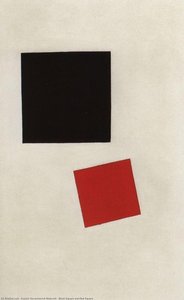
A Study in Form: Exploring Fernand Léger’s “The Mirror”
Fernand Léger's "The Mirror" isn’t merely a depiction of a woman; it’s an ambitious exploration of the intersection between human anatomy and industrial geometry—a cornerstone of Léger’s distinctive artistic approach. Painted sometime around 1925, this monochrome masterpiece exemplifies his unwavering commitment to capturing the transformative influence of the burgeoning machine age on artistic expression. Léger rejected the prevailing trend toward pure abstraction, arguing that true art could simultaneously honor tradition while embracing the radical new realities shaping the twentieth century. Instead of dissolving form into meaningless splashes of color, he meticulously crafted a composition that juxtaposes organic contours—the woman’s torso and arm—with angular, geometric shapes—the chair frame and clock face—creating a dialogue between nature and technology.- Style: Léger's style is characterized by “Constructivism,” a movement born from the Russian Revolution that prioritized functionalism and geometric abstraction as tools for conveying social ideals. However, Léger’s Constructivist tendencies are tempered with an undeniable sensitivity to humanist concerns.
- Technique: Léger employed a bold palette of black and white, utilizing thick impasto—a technique where paint is applied in textured layers—to imbue the canvas with palpable physicality. This deliberate materiality underscores Léger’s belief that art should engage the senses and communicate directly with the viewer.
Historical Context: The Machine Age and Artistic Response
The painting emerged during a period of profound societal change—the aftermath of World War I and the rapid acceleration of industrialization. Léger responded to this era not with despair or nostalgia, but with an optimistic conviction that art could illuminate the potential for progress while acknowledging the anxieties inherent in confronting modernity. The inclusion of the chair frame and clock face isn’t accidental; they serve as visual anchors, grounding the figure within a broader framework of urban life and timekeeping—symbols of efficiency and control against which Léger subtly contrasts the vulnerability represented by the human form.Symbolism Beyond Representation
While “The Mirror” eschews traditional figurative representation, it’s laden with symbolic significance. The woman herself embodies resilience and strength, positioned in a posture that conveys both grace and determination. Her raised arm suggests aspiration—a reaching for something beyond the immediate physical realm—while simultaneously mirroring the upward thrust of industrial structures. Léger's deliberate simplification of form isn’t an abandonment of emotion; rather, it amplifies it by stripping away extraneous detail, forcing the viewer to confront the essence of human experience.Emotional Impact and Artistic Legacy
Ultimately, “The Mirror” transcends its formal constraints to evoke a powerful emotional response. The stark monochrome palette contributes to an atmosphere of contemplative seriousness, inviting viewers to contemplate themes of identity, vulnerability, and the enduring relationship between humanity and technology. Léger’s pioneering approach paved the way for subsequent generations of artists who sought to reconcile abstraction with observation—a legacy that continues to inspire creativity and dialogue within contemporary art.常见问题与解答
费尔南·莱热 的《The mirror》 属于哪种艺术流派,又处于哪个时代?
在费尔南·莱热 的《The mirror》中,Geometric Abstraction运动与现代主义时代交相辉映。
Geometric Abstraction 流派的作品 "The mirror" 源自哪个国家?
通过创作者的出生地,《The mirror》将Geometric Abstraction运动与法国紧密联系在了一起。
费尔南·莱热 的《The mirror》 的版权情况是如何界定的?
费尔南·莱热 的《The mirror》 已进入 属于公有领域 —— 其版权已过期。版权保护期自艺术家逝世之日起计算,该艺术家于 1955 年逝世。




 切换至版画销售渠道


 对于任何边长超过 105 厘米(约 41 英寸)的艺术品或复制品,画框将以拆解后的组件形式发货。此方法可确保安全送达并防止运输过程中的损坏。


