

Acrylic On Canvas.
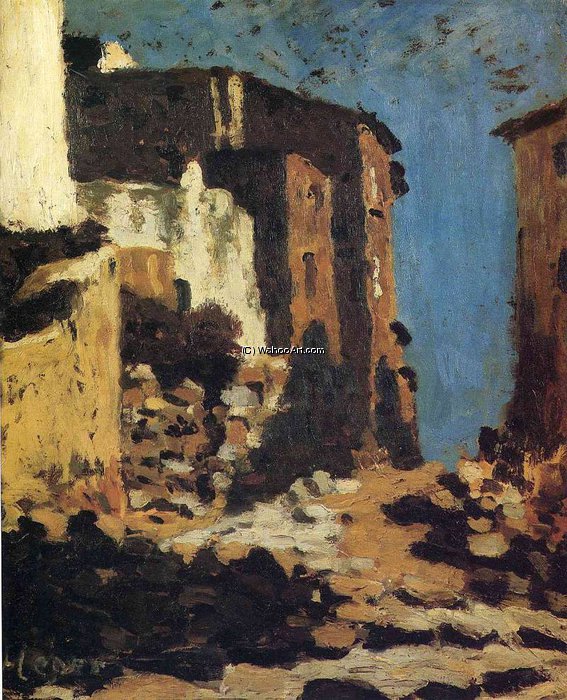
§ 1Catalogue data

§ 2Abstract
藏品详情
 展开全文
展开全文
艺术家简介
法国艺术家费尔南·莱热(1881-1955),现代主义先驱,以其独特的“筒状主义”和对机械美学的探索而闻名。他的作品融合了抽象与具象,预示着波普艺术的到来,并以大胆的色彩和简化形式描绘现代生活与工业景观。
§ 3Commentary
Fernand Léger: Embracing the Rhythm of Modernity
Fernand Léger’s oeuvre represents more than just visual art; it embodies a profound engagement with the transformative forces reshaping Europe at the dawn of the 20th century. Born Joseph Fernand Henri Léger in Argentan, Normandy, in 1881, he possessed an upbringing rooted in rural labor—a stark contrast to the burgeoning industrial landscape that would soon dominate his artistic imagination. This duality fueled a relentless desire to capture not merely what was seen but also what *felt* like – the pulsating energy of machines and the geometric precision of urban spaces.- Early Tubism: Léger’s initial foray into painting, around 1907-1912, crystallized in “Tubism,” a radical departure from traditional representation. Influenced by Picasso and Braque, he employed fractured planes and tubular forms to depict objects—primarily locomotives and factories—reducing them to their essential structural elements. This technique wasn’t merely stylistic; it was a deliberate attempt to distill the essence of industrial production into visual symbols.
- The Shift Towards Figurative Expression: Recognizing the limitations of pure abstraction in conveying emotion, Léger gradually moved towards a more expressive style characterized by simplified figures and bold colors. He abandoned the rigid geometric structures of Tubism for looser contours and vibrant hues—particularly reds and yellows—creating canvases that pulsed with vitality.
A Dialogue With The Machine Age
Léger’s artistic vision coincided perfectly with the rapid industrial expansion occurring across Europe. Witnessing firsthand the impact of technological advancements on daily life, he felt compelled to respond artistically—to translate the anxieties and aspirations associated with this new era into visual form. His paintings aren't simply depictions of factories; they are meditations on movement, rhythm, and the relentless march of progress. Léger sought to convey not just what machines *looked* like but also how they *felt*, capturing the vibration and dynamism inherent in their operation.- Symbolism Within Simplification: Despite his stylistic reductions, Léger’s canvases retain a rich symbolic dimension. The prominent use of red—often associated with passion and energy—and yellow—representing optimism and illumination—underscores his belief that art could inspire hope amidst the uncertainties of modernity.
- Influence on Pop Art: Léger's pioneering approach to representing modern subject matter foreshadowed the emergence of pop art in the 1960s. Artists like Warhol and Lichtenstein drew inspiration from Léger’s bold simplification and his willingness to engage with popular culture—demonstrating that artistic expression could thrive outside the confines of academic conventions.
Emotional Resonance: Capturing The Spirit Of An Age
Ultimately, Léger's enduring appeal lies in his ability to evoke a visceral emotional response. His paintings aren’t merely aesthetically pleasing; they communicate a profound sense of urgency and excitement—a conviction that art could illuminate the complexities of the modern world while simultaneously celebrating its transformative potential. Viewing Léger’s canvases is akin to stepping into a whirlwind of color and form, experiencing firsthand the rhythm of industrial progress and embracing the promise of a brighter future. They stand as a testament to the power of artistic vision—to the capacity of art to transcend mere representation and forge a direct connection with the human spirit.常见问题与解答
"untitled (4685)" 的创作艺术家是谁?
"untitled (4685)" 的创作者是 费尔南·莱热。该作品以 费尔南·莱热 的名义编入目录。
费尔南·莱热 是否还有其他别名或曾用名?
费尔南·莱热 也被称为 费尔南·德·莱热, 若泽·费尔南·亨利·莱热 (全名)。
如何描述 费尔南·莱热 的《untitled (4685)》 的意境?
费尔南·莱热 的《untitled (4685)》 的艺术氛围被描述为 Modern。这种分类有助于将作品与特定的空间环境相匹配。


 切换至版画销售渠道


 对于任何边长超过 105 厘米(约 41 英寸)的艺术品或复制品,画框将以拆解后的组件形式发货。此方法可确保安全送达并防止运输过程中的损坏。


