


 实景预览
实景预览
 分享
分享 分享
分享
 详情
详情 指南
指南

 下载作品
下载作品
 相似作品
相似作品 X射线
X射线 幻灯片播放
幻灯片播放 Q&A
Q&A 统计数据
统计数据Saint romulus


 展开全文
展开全文
艺术微喷/版画
博物馆级艺术微喷或帆布版画,制作高效,并提供多种饰面选择。 ( 订购纯手工绘制画作 切换至数字图像销售渠道)




P118B ¥10

P118H ¥10

P118W ¥10

P438Z ¥10

P508JH ¥12

P508YH ¥12

P805H ¥10

P805Z ¥10

P919BZ ¥10

P919G ¥10

P919XJ ¥10

P959ZH ¥10

P968JZ ¥12

W106C ¥8

W218G ¥10

W218JH ¥8

W218Y ¥10

W307PJ ¥10

W316G ¥10

W316PJ ¥8

W316Y ¥10

W398PJ ¥8

W4111J ¥10

W500HY ¥15

W500JH ¥15

W692G ¥12

W849H ¥8

W940BG ¥15

W953PJ ¥8




您可以从与原作比例一致的预设尺寸中进行选择。

请输入您所需的宽度和高度,以适配您的画框或墙面。由于印刷品只能进行裁剪,无法超出原图尺寸,因此若比例不一致,画面的一部分将会被裁切。在正式印刷之前,我们会为您发送一份数字效果图供您确认。本页面显示的图片并非最终裁剪后的效果——只有效果图才能展示真实的裁剪情况。


 玻璃选项仅适用于110厘米以下的尺寸。

Saint romulus
艺术微喷/版画
复刻品尺寸
-


最终结算价
¥ 430
A Divine Encounter: The Radiance of Saint Romulus
In the quiet, luminous realm of the Early Renaissance, few works capture the intersection of earthly devotion and celestial glory as tenderly as Fra Angelico’s Saint Romulus. This exquisite panel, painted around 1423-1424, serves as a profound testament to the spiritual vision of one of Italy's most revered masters. The painting presents a figure of immense dignity, likely identified as the patron saint of Fiesole, draped in a robe of soft, elegant pink that seems to catch a divine light. As he holds a book illuminated with gold leaf close to his chest, the viewer is drawn into a moment of sacred guardianship. The composition is anchored by a radiant golden background, a hallmark of the period that transcends mere decoration to create an atmosphere of eternal, otherworldly peace.
The technique employed by Fra Angelico reveals the meticulous discipline of a monk who viewed every brushstroke as an act of prayer. Utilizing egg tempera on wood, the artist achieved a level of vibrancy and clarity that has endured through the centuries. This method allowed for the delicate layering of pigments, resulting in colors that possess an inner glow, particularly evident in the subtle transitions of the saint's attire and the shimmering brilliance of the gilded surfaces. Each detail, from the fine texture of the book to the regal crown upon the saint's head, is rendered with a precision that invites the eye to linger, discovering new layers of beauty within the stillness of the image.
Symbolism and the Spirit of the Renaissance
Beyond its breathtaking aesthetic, Saint Romulus is a rich tapestry of theological meaning. The book held by the saint is far more than a mere object; it symbolizes divine revelation and the sacred wisdom that he protects and disseminates to the faithful. The crown adorning his brow signifies his exalted status within the Christian tradition, marking him as a figure of both authority and sanctity. Through these symbols, Fra Angelico bridges the gap between the tangible world and the spiritual mysteries of faith, making the intangible palpable through the medium of paint.
This work emerged from the vibrant intellectual and artistic ferment of Florence, a period where the burgeoning humanist movement began to celebrate human dignity alongside deep religious conviction. While the painting retains the decorative elegance and gilded splendor of the late Gothic tradition, it also hints at the emerging naturalism that would define the Renaissance. For the collector or the designer, a reproduction of this masterpiece offers more than just a visual centerpiece; it brings into a space a sense of profound tranquility and historical depth. To possess such an image is to invite a window into a time of unparalleled spiritual contemplation, where art served as a luminous bridge to the divine.
常见问题与解答
是否有关于 安吉利科 的《Saint romulus》 的导览页?
安吉利科 的《Saint romulus》 的 指南 页面提供了一份可打印的两页式学生资料单:包含作品及其基本信息表、将其置于艺术家生平中的年代轴、艺术家的其他作品、经测量的色板,以及四种格式的即用型引用文献。
"Saint romulus" 营造了怎样的氛围?
安吉利科 的《Saint romulus》 的艺术氛围被描述为 Ethereal。这种分类有助于将作品与特定的空间环境相匹配。
“Saint romulus”采用了什么技法制作?
安吉利科 在作品《Saint romulus》中运用了 Tempera On Panel 技法。该技法界定了原作的材质特性。
艺术家简介
天使般的画师:弗朗切斯科·德·安杰利科 (Fra Angelico) 的生平与艺术
弗朗切斯科·德·安杰利科,原名圭多·迪·皮埃特罗,是文艺复兴初期佛罗伦萨最伟大的画家之一。他的名字,意为“天使般的兄弟”,恰如其分地体现了他作品中那种超越尘世的宁静与神圣之美。1395年出生于托斯卡纳丘陵中的鲁佩萨纳,关于他早年的生活知之甚少,但可以肯定的是,他接受了良好的教育,为日后的艺术生涯奠定了基础。年轻的圭多加入了佛罗伦萨附近的菲索莱的圣多梅尼克会修道院,并以弗朗切斯科·德·安杰利科的名字开始了他在宗教与艺术的双重道路。在修道院中,他最初的任务是抄写手稿,这培养了他对细节的敏锐观察力和对色彩的精湛掌握,为他日后的绘画创作打下了坚实的基础。早期风格的形成:从洛伦佐·蒙纳科到马萨乔的影响
安杰利科的艺术发展并非孤立进行,而是深深地扎根于当时佛罗伦萨蓬勃发展的艺术氛围之中。他深受同时代画家洛伦佐·蒙纳科的影响,蒙纳科是那个时代领先的画家和手稿插图师。安杰利科继承了蒙纳科优雅的线条和装饰性图案,但并未止步于模仿。他开始尝试将这些风格与新兴的自然主义相结合,这很可能受到了马萨乔开创性的壁画的影响。虽然马萨奇奥以其戏剧性的透视运用和对人体形态的逼真描绘而闻名,安杰利科选择了另一条道路。他保留了对透视的运用,但并非为了追求现实主义,而是为了创造一种更具沉浸感的精神体验。他的作品中人物虽然优雅且常常理想化,却蕴含着一种内敛的尊严和情感共鸣,超越了单纯的表象。安杰利科将绘画视为祈祷的一种形式——一种领悟神圣并将之呈现给世人的方式,这种深刻的信仰赋予了他笔下的每一笔都充满了敬畏与真诚。信仰与色彩的杰作:圣马可修道院壁画
弗朗切斯科·德·安杰利科最伟大的艺术遗产无疑是佛罗伦萨圣马可修道院的壁画。这些壁画由多米尼克会委托创作,被广泛认为是文艺复兴时期最令人惊叹的作品之一。从《使女来访》到《受难》,每一个场景都散发着一种宁静而深刻的情感深度,在文艺复兴艺术中是罕见的。每一幅图像都充满了对神圣叙事的沉思,邀请观者进入个人的精神体验。除了圣马可修道院之外,《佩鲁贾祭坛画》也展示了他风格的演变,尤其是在《报喜》的精致描绘方面。报喜的主题在安杰利科的作品中反复出现,每一次呈现都带有超凡脱俗的美丽和象征意义。《圣劳伦斯施舍济贫》则展现了他叙事构图的能力以及对人类情感的敏感刻画。他的调色板以明亮、清晰的色彩为特色——蓝色、金色和红色——这些颜色仿佛从内部散发着光芒,营造出一种超凡脱俗的氛围。历史意义与持久影响
弗朗切斯科·德·安杰利科是文艺复兴早期的一位关键人物,他体现了那个时代宗教虔诚与艺术创新的融合。他不仅仅是一位画家,更是一位精神上的先驱,将他的信仰转化为视觉形式。他的作品反映了人本主义的理想,强调人类的尊严和对精神沉思的可能性。著名的艺术史学家乔治·瓦萨里在他的《艺术家列传》中赞扬安杰利科,称没有任何赞美之词能够充分捕捉到他创作的美丽。这巩固了他西方艺术中的地位。他的影响超越了他的时代,激励了无数后代的艺术家,以其虔诚的风格和色彩的大胆运用而闻名。1982年,教皇约翰·保罗二世正式承认安杰利科的神圣性,册封他为真福者——这证明了他一生及其作品对世界产生的影响。今天,他的艺术继续吸引着来自世界各地的观众,传递着关于信仰、希望和美的永恒信息。如何欣赏他的艺术
- 佛罗伦萨圣马可博物馆: 该博物馆收藏了安杰利科作品的最大且最具代表性的系列,包括修道院的令人惊叹的壁画。
- 卢浮宫 (巴黎): 卢浮宫拥有重要的安杰利科绘画藏品。
- 国家美术馆 (伦敦): 大英博物馆收藏了安杰利科的作品,让参观者得以一窥他的艺术才华。
- 罗马圣玛利亚索普拉米尼斯特拉教堂: 这座教堂拥有安杰利科的壁画,也是他正式被册封为真福者的地点。
- 世界各地众多其他博物馆 也展示了他的作品,让更多人欣赏他的持久遗产。
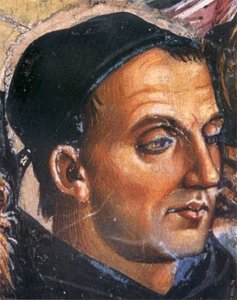
安吉利科
1395 - 1455 , 意大利
艺术家简介
- 全名: 弗朗切斯科·达·安吉利科
- 出生地点: 卢佩萨纳,意大利
- 出生日期: 约1395年
- 受其影响的艺术家: ['早期文艺复兴艺术家']
- 国籍: 意大利人
- 影响艺术家:
- 洛伦佐·蒙纳哥
- 马萨乔
- 艺术流派或风格: 早期文艺复兴
- 著名作品:
- 圣马可修道院壁画
- Perugia祭坛画
- 报喜使
- 施舍济贫的圣劳伦斯
相关文章
The Fresco as Family Legacy: Preserving Heritage Through Wall Art
Explore the rich history & enduring legacy of fresco painting. Discover how to preserve family heritage through stunning wall art. Expert insights & restoration guidance.

佛罗伦萨文艺复兴大师:安杰利科25幅传世名作赏析 | AllPaintingsStore
探索佛罗伦萨文艺复兴大师安杰利科的25幅传世名作!深入了解其宗教绘画、壁画艺术与天使般的风格。AllPaintingsStore.com提供高清复制品及精选装饰画,为您的室内空间增添永恒之美。立即在线探索完整系列!

The Enduring Legacy of Fresco: Technique, History & Artistic Expression Across Cultures
Explore the rich history & enduring legacy of fresco painting! Discover ancient techniques, Giotto's masterpieces, and modern applications. Expert insights for art lovers & professionals.

The Enduring Legacy of Fresco: Technique, History & Artistic Expression
Explore the rich history & enduring artistry of fresco painting. Discover techniques from Giotto to Michelangelo, conservation efforts, & modern applications. Learn how AllPaintingsStore brings this timeless art form to your home.

The Enduring Legacy of Fresco Painting: Techniques, History & Contemporary Relevance
Explore the rich history & enduring artistry of fresco painting – from Giotto to Michelangelo! Discover techniques, conservation efforts, & modern applications. Learn how AllPaintingsStore brings this timeless art form to your home.


