

Oil On Board.

§ 1Catalogue data


§ 2Abstract
藏品详情
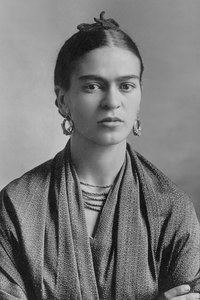
Frida Kahlo (1907-1954) was a Mexican painter known for her self-portraits and exploration of themes like identity, pain, and feminist legacy.
 展开全文
展开全文
§ 3Commentary
A Surrealist Symphony of Sorrow and Resilience
In the quiet, evocative depths of Frida Kahlo’s 1951 masterpiece, "Weeping Coconuts", we encounter a world where the boundaries between the organic and the emotional dissolve. This painting is far more than a mere study of tropical fruit; it is a profound, surrealist meditation on the human condition. At first glance, the viewer is met with a vibrant still life, yet a closer gaze reveals a haunting transformation. The coconuts, rendered with a startlingly anthropomorphic quality, appear to possess eyes and mouths that weep, turning a mundane bowl of fruit into a vessel for profound grief. This unsettling imagery serves as a window into Kahlo’s inner landscape, where the physical pain of her lifelong medical struggles meets an unyielding spiritual strength.
The technique employed in this work showcases Kahlo’s mastery of oil on board. Her brushwork is a delicate balance of meticulous precision and expressive fluidity. She layers colors to create a luminous surface, allowing light to dance across the textures of the fruit, from the rough, earthy husiness of the coconuts to the smooth, bright skins of apples and oranges. This interplay of light and shadow does not merely define form; it breathes life into the inanimate. For collectors and lovers of fine art, this technical brilliance offers a captivating visual experience that commands attention, making it a centerpiece capable of anchoring any sophisticated interior with its depth and complexity.
Symbolism and the Mexican Soul
To understand "Weeping Coconuts" is to understand the cultural and personal tapestry of Frida Kahlo. The painting is steeped in the symbolism of Mexicanidad, where elements of nature are often imbued with political and social significance. The coconut, a symbol of fertility and abundance in many Latin American traditions, is here presented in a state of vulnerability. By imbuing these fruits with the ability to mourn, Kahlo bridges the gap between the external world and her internal reality. The presence of skulls within the composition further reinforces the memento mori tradition, reminding the viewer of the cyclical nature of life, death, and the persistence of memory.
The emotional impact of the piece lies in its ability to transform suffering into something beautiful and enduring. As Kahlo navigated her final years, often accompanied by intense physical agony, her art became a way to transmute pain into a legacy of resilience. For an interior designer or a discerning collector, bringing a reproduction of this work into a space introduces a narrative of profound strength. It is a conversation piece that invites contemplation, offering a sense of soulful gravity and a reminder that even in our most vulnerable moments, there is a capacity for transformative beauty.
常见问题与解答
"Weeping Coconuts" 是否体现了 弗里达·卡罗 一贯的创作风格?
弗里达·卡罗 的创作主题常涉及 mexican folk art style, personal trauma reflection, identity exploration, symbolic representation, diego rivera collaboration, political engagement, iconic surrealist image;而《Weeping Coconuts》则聚焦于 mexican art, surrealism, self-portrait, symbolism, pain, emotion, botanical still life。
“Weeping Coconuts”是如何体现 弗里达·卡罗 的创作主题与艺术风格的?
"Weeping Coconuts" 与 弗里达·卡罗 的其他作品一样,都体现了 Surrealism 风格以及其一贯的主题:mexican folk art style, personal trauma reflection, identity exploration, symbolic representation, diego rivera collaboration, political engagement, iconic surrealist image。
是否可以下载"Weeping Coconuts"的高分辨率版本?
您可以在 高分辨率数字图像 页面直接购买 “Weeping Coconuts” 的 高分辨率数字图像下载。


 切换至版画销售渠道


 对于任何边长超过 105 厘米(约 41 英寸)的艺术品或复制品,画框将以拆解后的组件形式发货。此方法可确保安全送达并防止运输过程中的损坏。


