


 效果预览
效果预览
 分享
分享 分享
分享
 详情
详情 指南
指南

 下载
下载
 相似作品
相似作品 X射线
X射线 幻灯片播放
幻灯片播放 统计数据
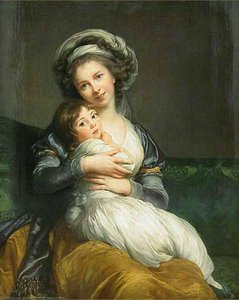
统计数据Deutsch Porträt der Henriette von Heintze, Ehefrau des Friedrich Adolph von Heintze auf Gut Niendorf bei Lübeck, mit ihren beiden Kindern Josua (1800 1867) und Henriette (1801 1837) vor romantischer Landschaft. English Portrait of Henriette von Heint....


 展开详情
展开详情
手工油画复制品
由我们的艺术家按需定制,为您提供您所选尺寸及画框的布面手工油画。 ( 切换至版画销售渠道 切换至数字图像销售渠道)




































从与原作比例一致的预设尺寸中进行选择。

您可以输入自定义尺寸,以适配特定的画框或空间。如果所选尺寸与原图比例不符,我们将通过裁剪作品或添加手绘元素来扩展画面。数字样稿将在制作开始前发送给您确认。
请注意,屏幕预览无法准确反映实际的裁剪或扩展效果,只有样稿才能真实呈现最终的构图。
虽然我们提供定制尺寸服务,但为了保留原作比例,建议您从预设列表中选择尺寸。
下单后,AllPaintingsStore.com 团队将通过电子邮件联系客户获取具体要求,并提供效果预览图。


 玻璃选项仅适用于110厘米以下的尺寸。

Deutsch Porträt der Henriette von Heintze, Ehefrau des Friedrich Adolph von Heintze auf Gut Niendorf bei Lübeck, mit ihren beiden Kindern Josua (1800 1867) und Henriette (1801 1837) vor romantischer Landschaft. English Portrait of Henriette von Heint....
复制材质
复制品尺寸
-


最终总价
$ 283
The Artist: Friedrich Carl Gröger
Friedrich Carl Gröger was a renowned German painter and lithographer born in 1766. He is known for his exceptional portraits that reflect the social and cultural context of his time. His work often featured members of the aristocracy and upper-class families, as seen in this painting.The Painting: A Family Portrait
The painting depicts Henriette von Heintze, the wife of Friedrich Adolph von Heintze, with her two children, Josua and Henriette. The family is set against a romantic landscape, which adds a sense of serenity to the scene. The mother is elegantly dressed in a white gown with a yellow sash around her waist, while the children are depicted in their natural attire. The composition of the painting highlights the bond between the family members. Henriette von Heintze holds her daughter close, while her son stands beside them, looking directly at the viewer. The use of colors and lighting creates a warm and intimate atmosphere, emphasizing the love and connection within the family.Artistic Significance
This painting is significant not only for its artistic merit but also for its historical context. It reflects the changing roles of women and children in society during the early 19th century. The depiction of the mother as a central figure, surrounded by her children, underscores the importance of family and maternal care.Reproductions Available at AllPaintingsStore
For art enthusiasts who wish to own a piece of this masterpiece, AllPaintingsStore offers high-quality reproductions of "Deutsch Porträt der Henriette von Heintze." These hand-made oil paintings are crafted with precision and attention to detail, ensuring that the essence of Gröger's original work is preserved. In conclusion, "Deutsch Porträt der Henriette von Heintze" by Friedrich Carl Gröger is a remarkable painting that captures the beauty of family relationships. Its historical significance and artistic excellence make it a valuable addition to any art collection.相似艺术品



艺术家简介
Friedrich Carl Gröger: A North German Master of Portraiture and Lithography
Born in the modest town of Plön in 1766, Friedrich Carl Gröger’s artistic journey began not amidst the halls of privilege but within a family of tailors. His parents, recognizing little interest in his burgeoning talent for painting, initially steered him towards more practical trades – tailoring or woodturning. Yet, this early resistance only fueled Gröger's determination to pursue his passion, leading him to largely self-teach himself the art of capturing likeness and emotion on canvas. His formative years were marked by contact with established artists like Tischbein in Lübeck, providing a crucial foundation for his future endeavors.
Gröger’s early career centered around miniature painting, a demanding discipline requiring meticulous detail and a delicate hand. However, he steadily evolved, recognizing the broader appeal of portraiture. A pivotal meeting in 1785 with Heinrich Jacob Aldenrath in Lübeck forged a lifelong friendship and professional partnership that would profoundly shape his artistic trajectory. This collaboration, cemented by the naming of Grögersweg in Hamburg-Barmbek – linking Tischbeinstraße with Aldenrathsweg – symbolized their enduring bond and shared creative vision.
Academic Pursuits and Early Influences
In 1789, Gröger embarked on a significant chapter of his life by enrolling at the Prussian Academy of Arts in Berlin. This period provided invaluable exposure to established artistic techniques and principles. Following this, he and Aldenrath ventured together to Hamburg, then pursued a joint study trip encompassing Dresden and Paris – cities renowned for their vibrant art scenes and intellectual ferment. Returning to Lübeck, they continued their work until 1807, alternating between the familiar comforts of Lübeck, Copenhagen, Kiel, and Hamburg before finally settling permanently in Hamburg in 1814.
The influence of these diverse environments is evident in Gröger’s artistic development. The rigorous training at the Prussian Academy instilled a formal approach to composition and technique, while the exposure to Parisian art introduced him to the burgeoning ideals of Neoclassicism and Romanticism. Aldenrath's presence was equally crucial; their combined experiences fostered a dynamic creative exchange, pushing each artist beyond their individual limitations.
A Shift Towards Bust Portraits and Lithography
As Gröger’s career progressed, he deliberately shifted his focus towards three-quarter bust portraits – a format that allowed him to capture both the formal dignity of his subjects and the subtle nuances of their personalities. This strategic move reflected a growing confidence in his ability to convey character through carefully observed features and expressive gestures. Simultaneously, he embraced lithography, a relatively new medium in Northern Germany at the time, demonstrating an adaptability and willingness to experiment with emerging technologies.
The partnership with Aldenrath extended beyond artistic collaboration; they established the firm “Firma Gröger & Aldenrath,” specializing in both portraiture and lithography. Aldenrath skillfully transitioned into miniature painting, complementing Gröger’s strengths and ensuring the continued success of their joint venture. This division of labor allowed them to pursue diverse artistic interests while maintaining a cohesive professional identity.
Notable Works and Legacy
Gröger's oeuvre is characterized by its meticulous detail, refined technique, and ability to capture the essence of his subjects. Several notable works stand out as testaments to his skill and artistry. The portrait of Henriette von Heintze (1803), a captivating depiction of familial love set within a romantic landscape, exemplifies his neoclassical style. The 1819 portrait of a noblewoman showcases the elegance and sophistication he brought to his craft. His family portraits, such as those featuring Gerhard von Hosstrup and Elisabeth née Seyler (circa 1815), offer intimate glimpses into the lives of prominent North German families.
Gröger’s legacy endures through his numerous works housed in museums across Germany, including the Hamburger Kunsthalle, and private collections throughout North Germany, Holstein, and Denmark. He is remembered as one of the most respected portraitists of his time, a master of capturing both formal dignity and individual character – a true representative of North German artistic excellence. His work continues to be studied and appreciated for its technical skill, emotional depth, and enduring beauty.

friedrich carl gröger
1766 - 1838
艺术家简介
- Artistic Movement Or Style: Portraiture, Lithography
- Artists Or Movements Influenced By This Artist: ['German Romanticism']
- Artists Who Influenced This Artist:
- Tischbein
- Aldenrath
- Date Of Birth: 1766
- Date Of Death: 1838
- Full Name: Friedrich Carl Gröger
- Nationality: North German
- Notable Artworks:
- Henriette von Heintze
- Untitled (AQQC66)
- Untitled (AQQC72)
- Place Of Birth: Plön, Germany
相关文章

Anton von Werner: Imperial Painter, Historical Witness & Shifting German Identity
Explore the life & work of Anton von Werner, Imperial Germany's leading painter. Discover his dramatic depictions of war, unification, and court life – a fascinating insight into 19th-century German history & art.

German Expressionism's 10 Defining Masterpieces | Art for Your Home
Explore 10 defining German Expressionism masterpieces – from Munch's 'The Scream' to Kandinsky’s abstracts. Discover the artists, stories & bold colors behind this powerful art movement. Find museum-quality reproductions at AllPaintingsStore.com.

Fritz von Uhde: Bridging Realism & Symbolism in Late 19th-Century German Painting
Explore the captivating world of Fritz von Uhde, a pivotal German painter bridging Realism & Symbolism. Discover his plein-air techniques, religious themes, and influence on modern art. Learn about this fascinating artist at AllPaintingsStore.

Caspar David Friedrich: Romanticism's Master of Landscape & the Sublimity of Inner Experience
Explore the profound landscapes of Caspar David Friedrich, a master of German Romanticism. Discover the symbolism, themes & enduring influence of this iconic artist. A deep dive into his life and work.

Friedrich von Amerling: Capturing Viennese Aristocracy & the Biedermeier Spirit
Explore the elegant portraits of Friedrich von Amerling, a master of Viennese Biedermeier art. Discover his life, style, and lasting influence on 19th-century Austrian painting. Find high-quality reproductions at AllPaintingsStore.

