


 实景预览
实景预览
 分享
分享 分享
分享
 详情
详情 指南
指南

 下载作品
下载作品
 相似作品
相似作品 X射线
X射线 幻灯片播放
幻灯片播放 Q&A
Q&A 统计数据
统计数据The parting look

 展开全文
展开全文
艺术微喷/版画
博物馆级艺术微喷或帆布版画,制作高效,并提供多种饰面选择。 ( 订购纯手工绘制画作 切换至数字图像销售渠道)




































您可以从与原作比例一致的预设尺寸中进行选择。

请输入您所需的宽度和高度,以适配您的画框或墙面。由于印刷品只能进行裁剪,无法超出原图尺寸,因此若比例不一致,画面的一部分将会被裁切。在正式印刷之前,我们会为您发送一份数字效果图供您确认。本页面显示的图片并非最终裁剪后的效果——只有效果图才能展示真实的裁剪情况。


 玻璃选项仅适用于110厘米以下的尺寸。

The parting look
艺术微喷/版画
复刻品尺寸
-


最终结算价
¥ 430
相似作品


艺术家简介
A Pioneer of Colour: The Life and Legacy of George Baxter
Born in Lewes, Sussex, in 1804, George Baxter emerged as a pivotal figure in the history of printing, forever altering how colour was disseminated and experienced. His journey began within a family deeply rooted in the world of print; his father, John Baxter, was a successful printer and publisher. This early exposure instilled in young George not only a technical understanding of the craft but also an appreciation for its potential as a medium for artistic expression. By age twenty, he was already illustrating books produced by his father, demonstrating a nascent talent that would soon blossom into groundbreaking innovation. A move to London in 1827 marked a turning point, where he apprenticed with the esteemed wood engraver Samuel Williams, honing skills crucial to his future endeavours. Marriage to Mary Harrild, daughter of printing engineer Robert Harrild, further solidified his connection to the technical aspects of printmaking and provided invaluable support as he embarked on his own path.Revolutionizing Colour Reproduction
While colour printing wasn’t entirely novel in the early 19th century – George Savage had previously explored methods for achieving coloured prints – it was Baxter who truly unlocked its commercial viability. He began experimenting with woodblock colour printing around 1828, culminating in his first known colour print, “Butterflies,” in 1829—a delicate foreshadowing of the vibrant imagery to come. However, it was the patent he secured in 1835, No. 6916, that cemented his place in printing history. This outlined a revolutionary combined intaglio and relief process. Baxter’s method involved an intricate layering technique: a steel ‘key’ plate established outlines and shading, followed by the meticulous application of up to twenty separate blocks, each dedicated to a different colour. The precision required was extraordinary; alignment had to be flawless, and inks – often mixed by Baxter himself using oil-based formulas – needed to be perfectly calibrated to achieve desired hues. This laborious process yielded prints with an unprecedented level of detail and colour accuracy, setting a new standard for reproduction.Subjects and Styles: Reflecting Victorian Life
Baxter’s artistic output was remarkably diverse, mirroring the broad interests of the Victorian era. He initially gained recognition through commissions for Mudie’s “British Birds,” establishing his commercial foothold with exquisitely detailed depictions of avian life. However, his scope extended far beyond ornithology. He documented significant historical events – the Crimean War and Queen Victoria's visit to Ireland are prime examples – offering a visual record of contemporary happenings. Portraits of prominent figures, including Napoleon III, Sir Robert Peel, and the celebrated singer Jenny Lind, showcased his ability to capture likeness with both accuracy and artistic flair. Furthermore, Baxter’s landscapes revealed a keen eye for natural beauty, rendered with meticulous detail and atmospheric depth. His prints weren't confined to elite circles; they appeared in books, periodicals, and as standalone artworks, democratizing access to vibrant imagery and reflecting the Victorian fascination with visual culture. News From Home, exemplifies this accessibility, portraying a lively domestic scene brimming with communication and entertainment.A Lasting Impact: Legacy and Historical Significance
Despite facing persistent financial challenges throughout his career – a consequence of his perfectionism and the time-consuming nature of his process – George Baxter’s contribution to printing remains undeniable. He pioneered a method that fundamentally transformed colour reproduction, making it more accessible and aesthetically refined. His work profoundly influenced subsequent generations of printers and artists, paving the way for advancements in chromolithography and other colour printing techniques. Though his business never achieved substantial profitability, estimates suggest he printed over twenty million prints during his lifetime—a testament to both the demand for his work and his unwavering dedication to quality. Baxter’s legacy extends beyond technical innovation; he democratized art by bringing vibrant, detailed images within reach of a wider public, embodying the spirit of Victorian visual culture. His influence continues to resonate today, reminding us of the power of printmaking to capture, preserve, and share the beauty and complexity of the world around us. Flora The Gipsy Girl, with its romantic portrayal and exquisite detail, stands as a lasting example of his artistic vision and technical mastery.
George Baxter
1804 - 1867 , United Kingdom
艺术家简介
- Full Name: George Baxter
- Nationality: British
- Date Of Birth: 1804
- Date Of Death: 1867
- Place Of Birth: Lewes, United Kingdom
- Notable Artworks:
- Flora The Gipsy Girl
- Napoleon Bonaparte
- News From Home
- Artistic Movement Or Style: Colour Printing
- Artists Or Movements Influenced By This Artist: ['Chromolithography']
相关文章

Golden Light & Dutch Skies: The Timeless Magic of Dutch Golden Age Landscapes
Discover the breathtaking beauty of Dutch Golden Age landscapes. Explore the mastery of light, chiaroscuro, and 17th-century realism through an expert art history lens, celebrating the enduring legacy of the Dutch Masters for discerning collectors and art lovers.
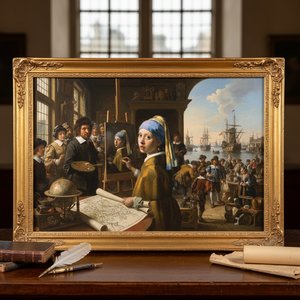
荷兰黄金时代绘画:文化创新中的现实主义反思
深入探索荷兰黄金时代绘画的文化创新与现实主义反思。本文解读伦勃朗、维米尔等大师的作品,并结合玛莉特·韦斯特曼的图像学研究,揭示艺术史背后的社会语境与现代性意识觉醒。

Chiaroscuro and Character: A Definitive Guide to Light and Shadow in the Dutch Baroque Era
Explore the dramatic mastery of the Dutch Baroque era. Discover how masters like Rembrandt used chiaroscuro to transform everyday life into timeless art. An expert guide for collectors and enthusiasts seeking to understand the profound interplay of light and shadow.
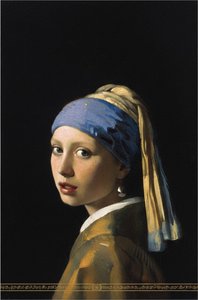
荷兰黄金时代:十幅定义艺术史的巨作 | AllPaintingsStore
探索荷兰黄金时代的艺术巅峰! 伦勃朗、维米尔等大师名作,带您领略巴洛克艺术的辉煌。高清画作、博物馆级品质,点亮您的家居空间。AllPaintingsStore.com 提供精选艺术复制品和定制装饰方案。立即在线探索全系列!
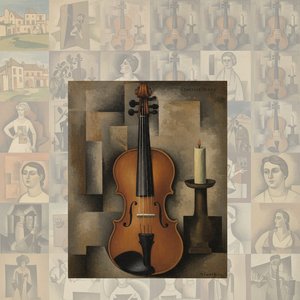
乔治·布拉克:25幅大师杰作,重塑现代艺术与家居美学 | AllPaintingsStore
探索乔治·布拉克25幅大师杰作,领略立体主义的魅力与现代艺术的精髓。从早期作品到经典油画,AllPaintingsStore为您呈现法式优雅与家居装饰灵感。高清艺术复制品,点亮您的空间!立即在AllPaintingsStore.com发现更多。

