


 效果预览
效果预览
 购买手绘画作
 分享
分享 分享
分享
 详情
详情

 下载
下载
 相似作品
相似作品 X射线
X射线 幻灯片播放
幻灯片播放Untitled

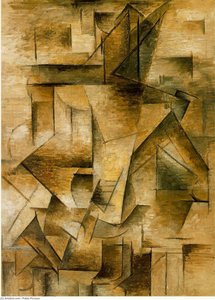
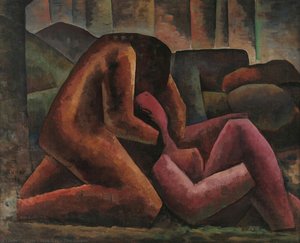
Discover Sri Lankan modernist painter George Keyt, renowned for his cubist-inspired art, Buddhist themes, and influence from Indian mythology. A key figure in Sri Lanka's art scene with international recognition.
 展开详情
展开详情




































Standard
custom
CM
INCH
从与原作比例一致的预设尺寸中进行选择。
Loading sizes...

宽度
高度
您可以输入自定义尺寸,以适配特定的画框或空间。如果您选择的尺寸与原图比例不符,我们将对作品进行裁剪,或通过镜像填充/纯色填充边缘的方式来扩展图像。在开始制作之前,我们会向您发送一份数字效果图供您确认。
请注意,屏幕上的预览并不能反映实际的裁剪或扩展效果。只有效果图才能准确展示最终的构图。
虽然我们提供定制尺寸,但为了保持原图比例,我们建议您从预设列表中选择尺寸。


 玻璃选项仅适用于110厘米以下的尺寸。

Untitled
艺术微喷/版画
复制品尺寸
-


最终总价
$ 64




艺术家简介
George Keyt: Sri Lanka's Visionary Modernist
George Percival Sproule Keyt (1901 – 1993) stands as Sri Lanka’s most distinguished modern painter, a figure whose distinctive style—rooted in Cubism and imbued with Buddhist symbolism—continues to fascinate art historians and collectors alike. Born in Colombo, Ceylon (now Sri Lanka), Keyt possessed an innate artistic talent nurtured by his father, a solicitor who recognized and encouraged his son's burgeoning passion for drawing from a young age. This early fascination extended beyond mere hobby; it fueled a lifelong devotion to the study of art and literature, profoundly shaped by the spiritual aura of the Malwatte Vihara—the oldest Buddhist temple in Sri Lanka—and its surrounding landscape.- Early Education & Influences: Keyt’s formal education commenced at Trinity College Kandy, a prestigious colonial school upholding traditions reminiscent of British public schools. This environment instilled in him a rigorous intellectual discipline alongside an appreciation for classical art forms and humanist ideals.
- Buddhist Awakening & Artistic Vision: The profound impact of Buddhism on Keyt's worldview is undeniable. He became a fervent advocate for the Buddhist revival movement, dedicating himself to preserving Sri Lanka’s cultural heritage and exploring its spiritual dimensions within his artistic practice.
- Cubist Roots & Artistic Style: Influenced by Henri Matisse and particularly captivated by the ancient Buddhist art of Nagarjunakonda, Sanchi, and Gandhara—sites renowned for their monumental sculptures and intricate iconography—Keyt embraced Cubism as his dominant stylistic approach. This movement’s fragmentation and geometric abstraction served as a springboard for expressing complex ideas about perception and reality.
Notable Works & Recurring Themes
Keyt's oeuvre is characterized by recurring motifs drawn from Jataka tales—stories recounting the previous lives of Buddha—which he skillfully rendered in vibrant color palettes and dynamic compositions. His paintings often depict serene landscapes imbued with Buddhist symbolism, reflecting his deep connection to Sri Lanka’s spiritual landscape. Among his most celebrated pieces include “Untitled (Man, Woman and Child)” and “Untitled,” which exemplify his masterful technique and profound artistic vision. These works demonstrate Keyt's ability to distill complex philosophical concepts into visually arresting images that resonate with viewers across cultures.Literary Contributions & Translation Efforts
Beyond painting, Keyt was a prolific poet whose essays eloquently articulated his understanding of the painter’s role and creative process. His translation of “The Gita Govinda” into English (1940) and Sinhalese stands as a testament to his literary prowess and commitment to disseminating Eastern wisdom to Western audiences. Illustrated with his own delicate line drawings, these translations captured Keyt's artistic sensibility alongside his scholarly rigor—a harmonious blend that cemented his reputation as a multifaceted intellectual and artist.Recognition & Legacy
George Keyt’s work gained international acclaim throughout his lifetime, securing prominent positions in esteemed museums like St George’s Chapel (United Kingdom) and the George Daniell Museum (Miami Beach). His enduring influence on Sri Lankan art history is undeniable, establishing him as a cornerstone of modern Sri Lankan artistic expression. Today, reproductions of Keyt's paintings continue to inspire artists and collectors worldwide, ensuring that his visionary aesthetic—characterized by Cubist innovation and Buddhist contemplation—remains relevant in the 21st century.
艺术家简介
- Artistic Movement Or Style: Cubism
- Artists Or Movements Influenced By This Artist:
- Buddhist art
- Nagarjunakonda
- Artists Who Influenced This Artist: ['Henri Matisse']
- Date Of Death: 1993
- Full Name: George Percival Sproule Keyt
- Nationality: Sri Lankan
- Notable Artworks:
- Untitled (Man, Woman and Child)
- Untitled
- Place Of Birth: Sri Lanka (Kandy)


