


 实景预览
实景预览
 发送
发送 分享
分享
 详情
详情 指南
指南

 下载图片
下载图片
 相似作品
相似作品 X射线
X射线 幻灯片播放
幻灯片播放 Q&A
Q&A 统计数据
统计数据Farmer


 阅读全文
阅读全文
艺术微喷/版画
博物馆级艺术微喷或帆布版画,制作高效,并提供多种饰面选择。 ( 订购此收藏品的纯手工复刻画作 切换至数字图像销售渠道)




P118B ¥10

P118H ¥10

P118W ¥10

P438Z ¥10

P508JH ¥12

P508YH ¥12

P805H ¥10

P805Z ¥10

P919BZ ¥10

P919G ¥10

P919XJ ¥10

P959ZH ¥10

P968JZ ¥12

W106C ¥8

W218G ¥10

W218JH ¥8

W218Y ¥10

W307PJ ¥10

W316G ¥10

W316PJ ¥8

W316Y ¥10

W398PJ ¥8

W4111J ¥10

W500HY ¥15

W500JH ¥15

W692G ¥12

W849H ¥8

W940BG ¥15

W953PJ ¥8




您可以从与原作比例一致的预设尺寸中进行选择。

请输入您所需的宽度和高度,以适配您的画框或墙面。由于印刷品只能进行裁剪,无法超出原图尺寸,因此若比例不一致,画面的一部分将会被裁切。在正式印刷之前,我们会为您发送一份数字效果图供您确认。本页面显示的图片并非最终裁剪后的效果——只有效果图才能展示真实的裁剪情况。


 玻璃选项仅适用于110厘米以下的尺寸。

Farmer
艺术微喷/版画
复刻品尺寸说明
-


总计金额
¥ 430
A Symphony of Earth and Ether: Rediscovering Balla’s ‘Farmer’
In the quietude of a sun-drenched field, a single figure moves with a purpose that transcends the simple act of labor. Giacomo Balla’s Farmer, executed around 1905, is far more than a pastoral snapshot; it is a profound meditation on the intersection of human endurance and the vibrant pulse of nature. At first glance, the viewer is met with the striking sight of an elderly man tending to a sea of brilliant blue vegetables—a choice of color that immediately pulls the observer away from mere realism and into a dreamlike, almost surrealist realm. This painting captures a moment frozen in time, yet it vibrates with an underlying restlessness, as if the very soil beneath the farmer's feet is breathing.
The brilliance of this work lies in its ability to bridge the gap between the tranquil traditions of landscape painting and the burgeoning energy of the Futurist movement. While Balla would later become a titan of Futurism, known for his obsession with speed and mechanical dynamism, Farmer reveals the artist's roots in Divisionism and Impressionism. The technique is masterful, utilizing visible, textured brushstrokes that mimic the ruggedness of weathered fabric and the fertile, loamy texture of the earth. Through a delicate use of atmospheric perspective, Balla allows the distant buildings and foliage to soften and fade, creating an immersive sense of depth that draws the eye inward, inviting the collector to lose themselves in the vastness of the Italian countryside.
The Soul of the Landscape: Symbolism and Emotional Resonance
Beyond its technical prowess, Farmer serves as a poignant symbol of the connection between humanity and the land. The central figure, anchored by his vertical presence within the frame, represents the dignity of manual labor and the cyclical nature of life. There is a certain melancholy in the soft, diffused light of what appears to be an overcast day, evoking themes of aging, mortality, and the relentless passage of time. Yet, this is balanced by the vibrant, almost electric blues of the crops, which suggest a hidden vitality within the natural world—a spark of life that persists even in the most humble settings.
For the discerning art lover or interior designer, this piece offers a unique emotional versatility. It possesses a quiet, contemplative strength that can anchor a room with its muted palette of ochre, grey, and deep browns, while its unexpected splashes of blue provide a sophisticated focal point. As a high-quality reproduction, it brings not just a sense of historical significance into a living space, but an atmosphere of nostalgic beauty and rustic elegance. It is a work that does not merely decorate a wall; it invites a conversation about our place within the rhythm of the world, making it an incomparable acquisition for those who seek art that speaks to both the eye and the soul.
问答详情
"Farmer" 创作于哪个时代?
“Farmer”属于Modern时期。
是否有与“Farmer”风格相似的作品?
雅各布·巴拉 (Yǎkèbù·Bālā) 的《Farmer》 的 相似作品 页面展示了相关艺术作品。
雅各布·巴拉 (Yǎkèbù·Bālā) 的《Farmer》 这件作品的色调是明亮的还是深沉的?
就视觉亮度而言,雅各布·巴拉 (Yǎkèbù·Bālā) 的《Farmer》 呈现出 deep_shadow 的效果。
相关艺术品


艺术家简介
早年生活与艺术启蒙
- 出生: 意大利都灵(1871年7月18日)
- 逝世: 1958年
- 贾科莫·巴拉出生于一个具有艺术渊源的家庭,他的父亲是一位摄影师。
- 最初学习音乐,直到九岁。
- 在父亲去世后,他在一家石印厂工作,培养了对视觉艺术的兴趣。
- 后来在当地学院和都灵大学学习。
- 1895年移居罗马,开始从事插画家、漫画家和肖像画家的职业。
艺术发展与关键时期
- 分裂主义: 巴拉早期的作品受到分裂主义的影响,这是一种采用小笔触的纯色来创造光感的技巧。这一时期表现了他对捕捉光效的兴趣。
- 未来主义: 遇到菲利波·托马索·马里内蒂后,拥抱未来主义是一个关键时刻。他于1910年成为未来主义宣言的签署者。
- 未来主义原则: 巴拉的未来主义作品专注于描绘光、运动和速度,经常融入抽象元素。他将未来主义原则扩展到家具设计和服装领域。
- 后期作品: 在晚年,他逐渐远离未来主义激进的一面,回归更传统的具象风格。
主要作品与艺术风格
- 抽象速度+声音 (Velocità Astratta + Rumore): 一项重要的作品,探索了以汽车为象征的速度。
- 街灯: 体现了他对光、氛围和运动的探索。
- 牵着狗奔跑的动态: 一件关键作品,展示了他通过绘画表达运动的努力。
- 博乔尼的拳头: 展示了他在未来主义运动中的雕塑作品。
- 风格: 巴拉的风格从分裂主义技术发展到对运动、光和现代生活的动态和抽象表现。他利用碎片化的形式、重叠的平面和鲜艳的色彩来传达一种能量和速度感。
影响与历史意义
- 埃蒂安-儒勒·马雷: 受马雷的计时摄影实验的影响,该实验记录了运动的连续阶段。
- 菲利波·托马索·马里内蒂: 未来主义宣言和马里内蒂的思想对巴拉的艺术方向至关重要。
- 历史意义: 作为未来主义运动的创始成员之一,巴拉在发展其美学原则和推广其在各种艺术形式中的影响力方面发挥了关键作用。他的作品帮助定义了20世纪早期的现代主义,并继续因其创新地表现运动和技术而受到赞誉。
遗产与认可
- 会员资格: 1935年成为罗马圣卢卡学院的成员。
- 展览: 参加了卡塞尔文献展1 (1955),并在文献展8 (1987) 上展出作品。
- 博物馆藏品: 他的艺术作品被阿尔布赖特-诺克斯美术馆、罗马圣卢卡国家学院和埃斯托里克收藏等机构收藏。
- 巴拉的遗产在于他对艺术中运动和动力的开创性探索,为未来主义的发展和现代艺术表现做出了重要贡献。

雅各布·巴拉 (Yǎkèbù·Bālā)
1871 - 1958 , 意大利
快速概览
- Artistic Movement Or Style: 未来主义
- Artists Or Movements Influenced By This Artist:
- 翁贝托·波乔尼
- 吉诺·塞维里尼
- Artists Who Influenced This Artist: ['埃蒂安-儒勒·马雷']
- Date Of Birth: 1871年7月18日
- Date Of Death: 1958年
- Full Name: 贾科莫·巴拉
- Nationality: 意大利国籍
- Notable Artworks (List Of Titles):
- 抽象速度+声音
- 街灯
- 狗的动态
- 博乔尼拳头
- Place Of Birth (City And Country): 意大利都灵市
相关文章

浪漫主义画派的十部巨作:定义风景画的艺术传奇
探索浪漫主义风景画的巅峰!本文精选十部经典名作,带您领略莫奈、库尔贝等大师的艺术魅力。感受色彩与光影的诗意,重温自然风光的震撼。AllPaintingsStore.com为您提供博物馆级别的艺术复制品和个性化家居装饰方案。尽在AllPaintingsStore.com!

Carlo Carrà: Futurist Visions & Metaphysical Transformations in Early 20th-Century Italian Painting
Explore the artistic journey of Carlo Carrà, a pivotal figure in Italian Futurism & Metaphysical painting. Discover his dynamic compositions, collaborations with de Chirico, and lasting influence on modern art history.

Cultivating Visions: A Historical Journey Through Rural Landscapes in Art
Explore the rich history of rural landscape painting with AllPaintingsStore. Discover Impressionist masterpieces, key artists & movements. Find your perfect serene artwork and bring nature's beauty home.

Giacomo Balla: Dynamism, Futurism & the Aesthetic of Speed – A Comprehensive Exploration
Explore the revolutionary art of Giacomo Balla, a key figure in Futurism. Discover his dynamic paintings capturing speed, light & movement. Learn about his techniques, masterpieces & legacy with our comprehensive guide.
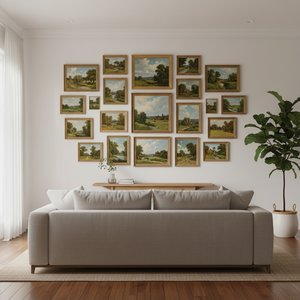
康斯塔布尔大师之作:25幅传世风景画赏析 | AllPaintingsStore
探索康斯塔布尔的25幅传世杰作!沉浸于英国田园风光,感受浪漫主义绘画大师的光影与色彩。高清油画复制、艺术品购买尽在AllPaintingsStore.com,为您的家居增添经典之美。立即在线探索完整系列!


