


 实景预览
实景预览
 发送
发送 分享
分享
 详情
详情 指南
指南

 下载图片
下载图片
 相似作品
相似作品 X射线
X射线 幻灯片播放
幻灯片播放 统计数据
统计数据Fair

 阅读全文
阅读全文
艺术微喷/版画
博物馆级艺术微喷或帆布版画,制作高效,并提供多种饰面选择。 ( 订购此收藏品的纯手工复刻画作 切换至数字图像销售渠道)




































您可以从与原作比例一致的预设尺寸中进行选择。

请输入您所需的宽度和高度,以适配您的画框或墙面。由于印刷品只能进行裁剪,无法超出原图尺寸,因此若比例不一致,画面的一部分将会被裁切。在正式印刷之前,我们会为您发送一份数字效果图供您确认。本页面显示的图片并非最终裁剪后的效果——只有效果图才能展示真实的裁剪情况。


 玻璃选项仅适用于110厘米以下的尺寸。

Fair
艺术微喷/版画
复刻品尺寸说明
-


总计金额
¥ 430
相关艺术品


艺术家简介
The Formative Years of a Flemish Visionary
In the vibrant, intellectually charged atmosphere of seventeenth-century Brussels, the foundations of Gillis van Tilborgh’s artistry were laid. Born around 1625, most likely in Brussels, he grew up within a family of artists. He is believed to have first learned the nuances of the brush from his father, Gillis van Tilborgh the Elder, before continuing his training with David Teniers the Younger, who had moved from Antwerp to Brussels around 1650 as court painter to Archduke Leopold Wilhelm, governor of the Habsburg Netherlands. From Teniers he took both a repertoire of subjects, from lively tavern and village scenes to meticulous views of princely picture galleries, and a keen eye for everyday life. This pedigree provided him with more than just technical skill; it instilled a deep reverence for the dramatic interplay of light and shadow, known as chiaroscuro, and a meticulous devotion to the anatomical precision that would become his hallmark. He became a master in the Brussels Guild of Saint Luke in 1654 and its dean in 1663, and in 1666 he was appointed keeper of the painting collection of the court and of Tervuren castle, the governor’s residence: the same post his presumed master Teniers had held for Archduke Leopold Wilhelm.Capturing the Pulse of Flemish Life
Van Tilborgh’s true genius lay in his ability to transform the mundane into the monumental. He moved effortlessly between the worlds of elegant portraiture and the gritty, evocative "low-life" genre scenes that captured the social heartbeat of the Low Countries. In works such as “Village Inn,” completed in 1657, he offers viewers a meticulously crafted window into a vanished era. Within these canvases, one finds a bustling microcosm of society:- Men engaged in spirited conversation over hearty meals and flowing drinks.
- The quiet, solitary scholar lost in the pages of a book amidst the tavern's revelry.
- The rustic textures of wooden beams and stone fireplaces that ground the scene in a tangible reality.
A Legacy of Light and Realism
The enduring significance of Gillis van Tilborgh resides in his masterful command of atmosphere and texture. His brushwork possessed a remarkable fluidity, capable of rendering the glint of fine silk or the rough grain of a tavern table with equal precision. By skillfully employing chiaroscuro, he created luminous interiors where light seems to breathe, casting evocative shadows that lend volume and immediacy to his subjects. Working in Brussels at the height of the Flemish Baroque, he helped define an era of unprecedented realism in genre painting and portraiture. His ability to capture both the grandeur of aristocratic life and the humble dignity of everyday existence ensures that his oeuvre remains a captivating testament to the dramatic beauty of the Baroque period.
Gillis Van Tilborgh
1625 - 1678 , Belgium
快速概览
- Full Name: Gillis van Tilborgh
- Nationality: Flemish
- Date Of Birth: 1625
- Date Of Death: 1678
- Place Of Birth: Brussels, Belgium
- Notable Artworks:
- Ball Players
- The Card Players
- Boors Eating Drinking and Smoking
- Artistic Movement Or Style: Flemish Baroque
- Artists Who Influenced This Artist:
- David Teniers the Younger
- Peter Paul Rubens
- Anthony van Dyck
相关文章
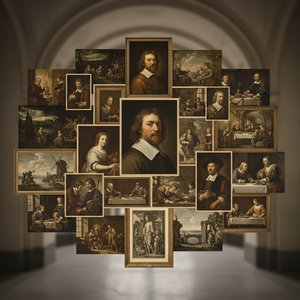
伦勃朗25幅杰作:光影大师的艺术传奇与家居臻选
探索伦勃朗25幅杰作,领略荷兰黄金时代光影大师的艺术传奇!从《夜巡》到自画像,深入了解巴洛克艺术、历史绘画与人物肖像背后的故事。AllPaintingsStore.com提供高清艺术复制品及家居装饰灵感。立即探索完整系列!
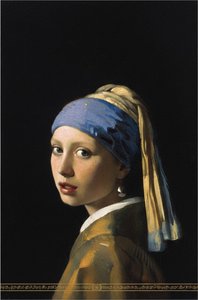
荷兰黄金时代:十幅定义艺术史的巨作 | AllPaintingsStore
探索荷兰黄金时代的艺术巅峰! 伦勃朗、维米尔等大师名作,带您领略巴洛克艺术的辉煌。高清画作、博物馆级品质,点亮您的家居空间。AllPaintingsStore.com 提供精选艺术复制品和定制装饰方案。立即在线探索全系列!
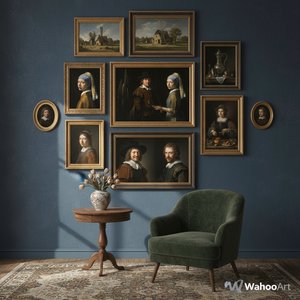
Dutch Baroque Masters: 10 Paintings That Shaped an Era | AllPaintingsStore
Journey through the Golden Age with our guide to the Top 10 Dutch Baroque masterpieces! Explore iconic paintings by Rembrandt, Vermeer & Frans Hals. Find museum-quality art reproductions and elevate your home decor at AllPaintingsStore.com.
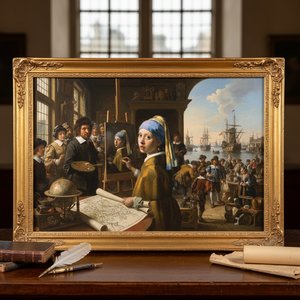
荷兰黄金时代绘画:文化创新中的现实主义反思
深入探索荷兰黄金时代绘画的文化创新与现实主义反思。本文解读伦勃朗、维米尔等大师的作品,并结合玛莉特·韦斯特曼的图像学研究,揭示艺术史背后的社会语境与现代性意识觉醒。

Golden Light & Dutch Skies: The Timeless Magic of Dutch Golden Age Landscapes
Discover the breathtaking beauty of Dutch Golden Age landscapes. Explore the mastery of light, chiaroscuro, and 17th-century realism through an expert art history lens, celebrating the enduring legacy of the Dutch Masters for discerning collectors and art lovers.

