


 效果预览
效果预览
 分享
分享 分享
分享
 详情
详情 指南
指南

 下载
下载
 相似作品
相似作品 X射线
X射线 幻灯片播放
幻灯片播放 统计数据
统计数据Adoration of the Shepherds
 Oil On Canvas
- WallArt
- Baroque
 1535
1535 275.0 x 212.0 cm
 卢浮宫
卢浮宫
 展开详情
展开详情
手工油画复制品
由我们的艺术家按需定制,为您提供您所选尺寸及画框的布面手工油画。 ( 切换至版画销售渠道 切换至数字图像销售渠道)




P118B $10

P118H $10

P118W $10

P438Z $10

P508JH $12

P508YH $12

P805H $10

P805Z $10

P919BZ $10

P919G $10

P919XJ $10

P959ZH $10

P968JZ $12

W106C $8

W218G $10

W218JH $8

W218Y $10

W307PJ $10

W316G $10

W316PJ $8

W316Y $10

W398PJ $8

W4111J $10

W500HY $15

W500JH $15

W692G $12

W849H $8

W940BG $15

W953PJ $8




从与原作比例一致的预设尺寸中进行选择。

您可以输入自定义尺寸,以适配特定的画框或空间。如果所选尺寸与原图比例不符,我们将通过裁剪作品或添加手绘元素来扩展画面。数字样稿将在制作开始前发送给您确认。
请注意,屏幕预览无法准确反映实际的裁剪或扩展效果,只有样稿才能真实呈现最终的构图。
虽然我们提供定制尺寸服务,但为了保留原作比例,建议您从预设列表中选择尺寸。
下单后,AllPaintingsStore.com 团队将通过电子邮件联系客户获取具体要求,并提供效果预览图。


 玻璃选项仅适用于110厘米以下的尺寸。

Adoration of the Shepherds
复制材质
复制品尺寸
-


最终总价
$ 433
Giulio Romano’s “Adoration of the Shepherds”: A Baroque Drama of Light and Faith
Giulio Romano's "Adoration of the Shepherds," painted in 1535, is not merely a depiction of a biblical scene; it’s a profound exploration of faith, humility, and the divine encounter. This masterpiece, rendered in rich oil paints on canvas, embodies the dramatic intensity characteristic of the late Renaissance and early Baroque periods, transporting viewers into a dimly lit stable where the miraculous birth of Christ unfolds with breathtaking realism and emotional resonance. The painting pulsates with a palpable sense of awe, inviting contemplation on the profound mysteries at its heart.
Romano’s artistic lineage is deeply rooted in the legacy of Raphael, whom he served as a crucial assistant during the decoration of the Vatican Stanze. However, “Adoration of the Shepherds” marks a significant departure from Raphael's harmonious idealism, embracing instead the heightened emotionalism and theatricality that would define his own distinctive style. The influence of Mannerism is evident in the elongated figures, the subtly distorted perspective, and the overall sense of dynamism—a deliberate move away from the static clarity of High Renaissance art.
A Symphony of Light and Shadow: Technique and Composition
The painting’s power lies largely in Romano's masterful manipulation of chiaroscuro – a technique borrowed heavily from Caravaggio but refined with his own unique sensibility. Deep, enveloping shadows dominate the scene, creating an atmosphere of mystery and reverence while simultaneously highlighting key figures within the composition. The light source, seemingly emanating from an unseen point above, casts dramatic shafts onto Mary, Joseph, and the infant Jesus, drawing our attention to their central role in this sacred event. The use of glazing—applying thin layers of translucent paint over previous layers—creates a remarkable sense of depth and luminosity, imbuing the figures with a tangible presence.
The composition itself is carefully orchestrated. The scene unfolds within a modest stable, its rough-hewn walls and simple furnishings providing a stark contrast to the divine event taking place. The arrangement of the shepherds—grouped in clusters around the infant Jesus—creates a sense of communal adoration, emphasizing the universality of faith. The placement of Joseph, holding the manger, subtly reinforces the humble origins of Christ’s birth, while the angel descending from heaven serves as a visual conduit between the earthly and celestial realms.
Symbolism and Narrative Depth
Beyond its technical brilliance, “Adoration of the Shepherds” is rich in symbolic meaning. The shepherds themselves represent the common people—the uneducated, the humble—who are chosen to witness the birth of their savior. Their simple garments and attentive gazes underscore the idea that faith can be found not in grand pronouncements or elaborate rituals, but in quiet contemplation and open hearts. The presence of the Roman soldier, a symbol of earthly authority, adds another layer of complexity, suggesting the conflict between divine grace and human power.
The inclusion of the celestial scene—an angel descending from heaven—serves as a visual reminder of God’s intervention in human affairs. The carefully rendered details of the stable, including the wooden manger and the animal figures, ground the narrative in a tangible reality, making the miraculous event all the more believable. Even the loaf of bread resting on the manger speaks to the poverty and humility that characterized Jesus's life.
A Timeless Masterpiece: Historical Context and Legacy
Painted during a period of intense religious and political upheaval in Italy, “Adoration of the Shepherds” reflects the anxieties and aspirations of its time. The Catholic Church was actively seeking to combat the spread of Protestantism, and art played a crucial role in reaffirming faith and promoting religious devotion. Romano’s dramatic style—with its emphasis on emotion and spectacle—was perfectly suited to this purpose.
The painting's influence extends far beyond its immediate historical context. It stands as a testament to the enduring power of biblical narratives and the timeless appeal of themes such as faith, humility, and redemption. Reproductions of “Adoration of the Shepherds” continue to captivate audiences today, offering a glimpse into the artistic genius of Giulio Romano and inviting us to contemplate the profound mysteries of the Nativity story.
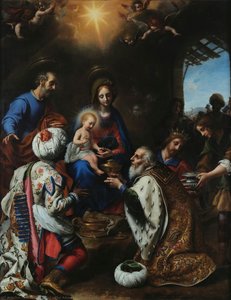
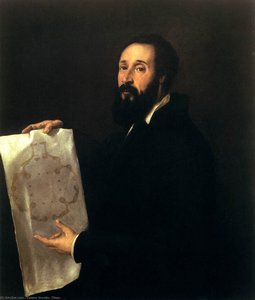
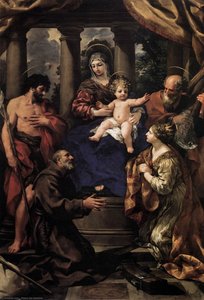
相似艺术品





艺术家简介
罗马的开端与师从大师
朱利奥·罗曼诺,原名朱利奥·皮皮,大约于1499年出生在罗马。他正值一个艺术激荡的时代。关于他早年的细节鲜为人知,但可以确定的是,他很快进入了拉斐尔的视野,拉斐尔是文艺复兴时期最杰出的画家之一。这次学徒生涯至关重要,不仅塑造了他的技术技能,也为他未来的风格探索奠定了基础。朱利奥不仅仅是一位工作室助手;他迅速成为一位不可或缺的合作者,参与了像梵蒂冈斯坦齐的装饰等重大项目——这些宏伟的房间由教皇尤利乌斯二世和列奥十世委托建造。他的笔迹可以识别在纪念性的壁画《博尔戈之火》中,他协助拉斐尔描绘了一个奇迹干预的戏剧性场景。在拉斐尔于1520年英年早逝后,朱利奥继承了完成许多未完成委托的责任,包括为枢机朱利亚诺·德·美第奇装饰宏伟的马达玛别墅。这种早期接触大型项目和贵族赞助的需求在他身上灌输了一种自信和雄心壮志,这将定义他后来的职业生涯。风格主义的诞生:从古典和谐的背离
虽然深深扎根于文艺复兴传统,但朱利奥·罗曼诺的艺术轨迹很快与当时盛行的古典平衡与和谐的强调背道而驰。他成为风格主义发展中的关键人物——这种风格以其人工性、优雅以及常常令人不安的形式扭曲为特征。受到米开朗基罗强有力的人物和动态构图的深刻影响,以及更广泛的艺术实验氛围的影响,朱利奥开始在他的作品中拥抱不对称、紧张感和情感强度。这并非对文艺复兴理想的拒绝,而是一种有意识地探索它们的极限,超越自然主义的约束,创造出更具表现力和智力刺激的作品。他越来越多地修改拉斐尔的计划,将新的敏感性注入罗马艺术——这是大规模风格主义的宣言。这种转变在他的绘画中显而易见,这些绘画展现了非凡的线条自由和对戏剧性透视的偏爱。曼图亚的大师:特宫与建筑创新
1524年,朱利奥接受了曼图亚公爵费德里科·冈扎加的邀请,成为宫廷画家和建筑师。这标志着他职业生涯的一个转折点,为他提供了前所未有的创作自由和资源。他基本上负责公国的所有艺术活动,监督绘画和壁画以及建筑项目、花园设计甚至戏剧制作。他在此期间最著名的成就是无疑是特宫,这是一座非凡的郊区别墅,证明了他的创新才华。这座宫殿的内部装饰着令人叹为观止的复杂性和心理深度的幻觉壁画。《巨人厅》(Sala dei Giganti)例如,描绘了神与巨人之间混乱的战斗,将观众淹没在旋转的人物和建筑碎片漩涡中。这种对空间和透视的大师级操纵创造了一种既令人敬畏又不安的沉浸式体验。除了特宫之外,朱利奥还对曼图亚公爵宫殿和大教堂进行了重大的翻新,给这座城市的城市景观留下了不可磨灭的印记。遗产与持久影响
朱利奥·罗曼诺于1546年去世于曼图亚,留下了一份超越意大利边境的遗产。他的绘画受到收藏家的高度重视,并且基于他作品的版画——特别是安东尼奥·雷蒙迪的作品——在传播意大利艺术风格到欧洲起到了至关重要的作用。他死后非常出名,以至于他是威廉·莎士比亚戏剧中唯一一位被提及的“现代”艺术家——证明了他广泛的名声。他的影响可以在众多后续艺术家的作品中看到,他们采用了他动态的构图、细长的身影和富有表现力的色彩运用。虽然风格主义最终让位于其他风格运动,但朱利奥·罗曼诺的贡献仍然是理解西方艺术演变所必需的。他代表了一个关键时刻——从文艺复兴时期和谐的理想过渡到16世纪后期更复杂和情感化的美学。他的作品继续吸引和挑战今天的观众,提醒我们艺术既能反映又能塑造我们对世界的理解。
朱利奥·罗马诺
1499 - 1546 , 意大利
艺术家简介
- Artistic Movement Or Style: 风格主义
- Artists Or Movements Influenced By This Artist: ['风格主义艺术家']
- Artists Who Influenced This Artist:
- 拉斐尔
- 米开朗基罗
- Date Of Birth: 约1499年
- Date Of Death: 1546年11月1日
- Full Name: 朱利奥·罗马诺
- Nationality: 意大利人
- Notable Artworks (List Of Titles):
- 博尔戈之火
- 特宫
- 马达玛别墅
- Place Of Birth (City And Country): 意大利罗马
相关文章

Giulio Romano: A Master of Mannerism & the Palazzo Te Legacy
Explore the revolutionary art of Giulio Romano, master of Mannerism & architect of Palazzo Te. Discover his influence, investment potential, and stunning frescoes – a guide for discerning collectors.

巴洛克艺术的戏剧性辉煌:历史背景、风格特征与持久影响
深入探索巴洛克艺术的辉煌历史、独特风格与持久影响。了解卡拉瓦乔、贝尼尼等大师的作品,洞悉反宗教改革运动下的艺术变革。AllPaintingsStore.com为您提供专业的艺术解读与高清画作欣赏。

巴洛克戏剧性:将辉煌与情感融入当代室内设计
探索巴洛克艺术的辉煌与奢华!AllPaintingsStore提供精湛的手工油画复制、定制服务和专业艺术咨询,助您将经典作品融入当代室内设计,提升家居品味。投资艺术,传承价值。

The Enduring Legacy of Oil on Canvas: Technique, History & Aesthetic Impact
Explore the rich history & techniques of oil painting – from Renaissance masters to Impressionism. Discover pigments, layering methods, and why this timeless medium endures. Expert insights for artists & art enthusiasts.

The Enduring Power of Painting: A Historical & Contemporary Exploration of Form and Emotion
Explore the rich history & enduring techniques of oil painting with AllPaintingsStore. Discover masterpieces, learn about art collecting, and find authentic handmade reproductions crafted by skilled artists.


