


 效果预览
效果预览
 分享
分享 分享
分享
 详情
详情 指南
指南

 下载
下载
 相似作品
相似作品 X射线
X射线 幻灯片播放
幻灯片播放 统计数据
统计数据Portrait of Bodhidharma
 Zen Buddhism
 701
701 118.0cm x 54.0cm
 展开详情
展开详情
手工油画复制品
由我们的艺术家按需定制,为您提供您所选尺寸及画框的布面手工油画。 ( 切换至版画销售渠道 切换至数字图像销售渠道)




































从与原作比例一致的预设尺寸中进行选择。

您可以输入自定义尺寸,以适配特定的画框或空间。如果所选尺寸与原图比例不符,我们将通过裁剪作品或添加手绘元素来扩展画面。数字样稿将在制作开始前发送给您确认。
请注意,屏幕预览无法准确反映实际的裁剪或扩展效果,只有样稿才能真实呈现最终的构图。
虽然我们提供定制尺寸服务,但为了保留原作比例,建议您从预设列表中选择尺寸。
下单后,AllPaintingsStore.com 团队将通过电子邮件联系客户获取具体要求,并提供效果预览图。


 玻璃选项仅适用于110厘米以下的尺寸。

Portrait of Bodhidharma
复制材质
复制品尺寸
-


最终总价
$ 258
相似艺术品


艺术家简介
The Revitalizer of Zen: A Life Dedicated to Awakening
Born in the serene landscape of Hara, nestled at the foot of Mount Fuji in 1686, Hakuin Ekaku emerged as a pivotal figure not only within Japanese Zen Buddhism but also as an influential artist whose work continues to resonate with profound spiritual depth. His early life was subtly shaped by his mother’s devout Nichiren Buddhist faith, a background that initially instilled in him a palpable fear of the hell realms – a fear that ultimately propelled him toward monastic life as a means of seeking liberation. This formative experience reveals a young mind grappling with existential questions, setting the stage for a lifelong dedication to unraveling the mysteries of existence through spiritual practice. He entered the Shōin-ji temple at fifteen, beginning his formal training, but found early Buddhist texts somewhat unsatisfying, perceiving them as simple narratives rather than pathways to genuine insight. This dissatisfaction fueled a relentless pursuit of deeper understanding, leading him on a journey of exploration and self-discovery that would ultimately redefine Zen practice in Japan.A Brush with Enlightenment: Artistic Expression and Spiritual Practice
Hakuin’s artistic endeavors were never separate from his spiritual quest; rather, they were inextricably intertwined. He didn't merely *create* art—he embodied Zen principles through brushstrokes, transforming calligraphy and painting into potent vehicles for conveying enlightenment. While not prolific in the conventional sense of producing a vast body of work, each piece he created – such as his iconic portrait of Bodhidharma or delicate calligraphic renderings – served as a direct expression of his meditative state and understanding of koan teachings. His style is characterized by bold simplicity, dynamic energy, and an intentional use of negative space—all hallmarks of Zen aesthetics. He masterfully employed sumi-e ink painting techniques, achieving remarkable depth and nuance with minimal strokes. The power of Hakuin’s art lies not in its representational accuracy but in its ability to evoke a sense of presence, stillness, and the inherent interconnectedness of all things. He believed that art could be a direct path to awakening, bypassing intellectual understanding and speaking directly to the intuitive mind.Koans and Revitalization: Reshaping Zen Training
Perhaps Hakuin’s most significant contribution was his revitalization of the Rinzai school of Zen Buddhism. During his time, the tradition had become somewhat stagnant, losing its original vigor and directness. He recognized this decline and dedicated himself to restoring the essence of Zen practice through a renewed emphasis on koan study. Koans—paradoxical riddles or stories designed to challenge logical thought and provoke intuitive insight—became central to his teaching method. He didn’t simply present koans as intellectual puzzles; he used them as tools to dismantle habitual patterns of thinking, forcing students to confront the limitations of their own minds and experience reality directly. He is credited with creating many of the koans still in use today, including the famous “sound of one hand clapping,” which continues to challenge Zen practitioners worldwide. His approach was rigorous yet compassionate, demanding unwavering commitment while simultaneously fostering a supportive environment for exploration and growth.Legacy and Influence: A Lasting Impact on Art and Spirituality
The impact of Hakuin Ekaku extends far beyond the confines of Japanese Zen Buddhism. His teachings and artistic vision profoundly influenced subsequent generations of artists and spiritual seekers, both in Japan and abroad. He inspired a lineage of Zen masters who carried forward his legacy of rigorous practice and compassionate wisdom. Furthermore, his art played a crucial role in shaping the aesthetic sensibilities of later Japanese painting styles. The principles of simplicity, spontaneity, and direct expression that characterize Hakuin’s work resonated with artists across various disciplines. His influence can also be seen in the broader context of Japonisme, the late 19th-century Western fascination with Japanese art and culture, which profoundly impacted Impressionist painters like Degas, Monet, and Manet. They were captivated by the unique aesthetic qualities of Japanese prints and paintings, incorporating elements of their style into their own work. Hakuin’s legacy serves as a testament to the enduring power of Zen Buddhism and the transformative potential of art—a reminder that true awakening is not merely an intellectual pursuit but a lived experience that permeates every aspect of our being.
Hakuin Ekaku
1686 - 1769 , Japan
艺术家简介
- Artistic Movement Or Style: Zen Buddhism art
- Artists Or Movements Influenced By This Artist:
- Ukiyo-e
- Sōsaku-hanga
- Date Of Birth: January 19, 1686
- Date Of Death: 1769
- Full Name: Hakuin Ekaku
- Nationality: Japanese
- Notable Artworks:
- Portrait of Bodhidharma
- Calligraphy of the Character
- Place Of Birth: Hara, Japan
相关文章

Floating World: The Captivating Art and Legacy of Japanese Ukiyo-e
Explore the profound beauty of Japanese Ukiyo-e. Discover the history, masters like Hokusai, and the enduring legacy of the 'Floating World' through an expert art-historical lens.
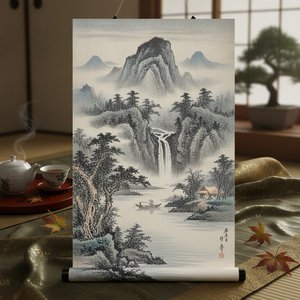
Serenity on Canvas: A Guide to the Timeless Beauty of Japanese Landscape Painting
Discover the serene beauty of Japanese landscape painting. From Hokusai's iconic woodblock prints to meditative sumi-e ink washes, explore a visual journey through the 'floating world' and learn how to bring this timeless Zen aesthetic into your modern home decor.

葛饰北斋:25幅传世名作,浮世绘大师的艺术传奇 (Katsushika Hokusai: 25 Masterpieces, The Art Legacy of the Ukiyo-e Master)
探索葛饰北斋的25幅传世名作!深入了解浮世绘大师的艺术传奇,感受《神奈川冲浪波》等经典作品背后的故事与魅力。AllPaintingsStore.com提供博物馆级高质量复制品,为您的家居带来日本风情和艺术灵感。立即探索完整系列!
The Alchemy of Ink: Mastering the Timeless Beauty and Art History of Paper and Brush
Embark on a sophisticated exploration of ink wash painting and Sumi-e. Uncover the profound historical lineages, Zen philosophies, and technical mastery behind this timeless medium in our authoritative guide for fine art enthusiasts.

