

1927. Acrylic On Canvas.

§ 1目录数据


§ 2摘要
藏品详情
Explore Henri Matisse’s ‘The Ballet Dancer,’ a vibrant Fauvist masterpiece! Admire bold colors & expressive brushstrokes depicting a captivating ballet scene. A must-see for art enthusiasts!
 展开全文
展开全文
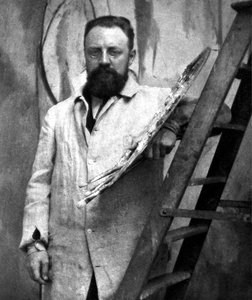
艺术家简介
探索马蒂斯(1869-1954): Fauvism 运动的色彩大师!发现标志性的绘画、剪纸拼贴艺术及其对现代艺术的影响。一位杰出的法国画家,以其大胆的色彩运用和流畅的线条而闻名。
§ 3赏析
A Symphony of Color: Henri Matisse’s ‘The Ballet Dancer’
Henri Matisse’s “The Ballet Dancer,” painted in 1927, stands as a cornerstone of Fauvist art—a movement that irrevocably altered the course of twentieth-century painting. More than just a depiction of a ballet dancer poised on a sofa, this artwork embodies Matisse's unwavering belief in color as expressive language and his masterful manipulation of pigment to convey emotion.
- Subject Matter: The scene captures a woman seated gracefully on a couch, seemingly awaiting the arrival of her companion. Her posture exudes poise and serenity, subtly hinting at the performance she anticipates. Alongside her rests an apple and a banana – seemingly simple objects imbued with symbolic significance.
- Style & Technique: Matisse’s Fauvist style is instantly recognizable through its audacious disregard for traditional perspective and tonal gradation. Instead of striving for realism, he prioritizes color above all else, applying vibrant hues—primarily greens and blues—directly onto the canvas without blending or underpainting. Thick brushstrokes create a textured surface that pulsates with energy and vitality.
- Historical Context: Created during the height of Matisse’s artistic experimentation, “The Ballet Dancer” reflects the broader cultural landscape of the 1920s—a period marked by optimism and fascination with modernism. The Fauvist movement emerged as a reaction against Impressionism's focus on capturing fleeting moments of light and atmosphere, asserting instead that color could communicate feelings and ideas independently.
The deliberate choice of green and blue isn’t merely aesthetic; it speaks to Matisse’s profound understanding of psychology. These colors evoke tranquility and harmony—mirroring the dancer's composure and suggesting a connection to nature. The inclusion of the apple and banana adds another layer of interpretation. Apples, traditionally associated with innocence and beauty, contrast with the banana – representing exoticism and perhaps hinting at the performer’s journey or aspiration.
“The Ballet Dancer” transcends its subject matter to become an emblem of Matisse's artistic vision—a testament to his conviction that color could unlock profound emotional resonance. It continues to inspire artists and collectors alike, offering a glimpse into the heart of Fauvist innovation and demonstrating the enduring power of visual art to communicate beauty and feeling.
常见问题与解答
亨利·马蒂斯 的《The Ballet Dancer》 的色彩和谐度如何?
亨利·马蒂斯 的《The Ballet Dancer》 的色彩呈现出一种 Discordant Palette 的和谐感。这种和谐感描述了色彩之间的相互关系。
"The Ballet Dancer"创作于哪一年,属于哪种艺术流派?
"The Ballet Dancer"创作于1927年,属于Post-Impressionism运动。
亨利·马蒂斯 的《The Ballet Dancer》 传达了怎样的情感?
《亨利·马蒂斯 的《The Ballet Dancer》》所传达的意境为Elegant,其情感基调为Romantic。


 切换至版画销售渠道


 对于任何边长超过 105 厘米(约 41 英寸)的艺术品或复制品,画框将以拆解后的组件形式发货。此方法可确保安全送达并防止运输过程中的损坏。


