

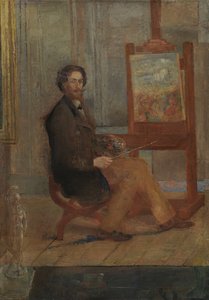
1900. Oil On Canvas.

§ 1目录数据


§ 2摘要
藏品详情
James Ensor's 'Skeletons in the Studio' is a haunting masterpiece exploring mortality and darkness through vibrant colors & unsettling imagery. Own a unique piece of Belgian art history – available as a stunning reproduction.
 展开全文
展开全文
艺术家简介
比利时画家詹姆斯·恩索 (1860-1949),表现主义与超现实主义先驱,以其令人不安的场景、面具、狂欢节和骷髅而闻名。《基督进入布鲁塞尔》等作品深刻批判社会与宗教,风格大胆前卫,影响深远。
§ 3赏析
A Macabre Tableau: James Ensor’s *Skeletons in the Studio*
James Ensor's 1900 painting, *Skeletons in the Studio*, isn’t merely a depiction of decaying remains; it’s a profoundly unsettling exploration of mortality, memory, and the anxieties simmering beneath the surface of Victorian society. Housed within the National Gallery of Canada, this oil on canvas transcends simple morbidity, offering instead a glimpse into the artist's uniquely skewed perspective – one that simultaneously delights and disturbs. Ensor, a Belgian painter who deliberately pushed against academic conventions, created a world populated by masked figures, unsettling rituals, and a pervasive sense of unease, all hallmarks of his distinctive style.
The painting immediately draws the viewer into a dimly lit chamber, dominated by a starkly monochromatic palette. The absence of vibrant color amplifies the somber mood, creating an atmosphere thick with anticipation and dread. Notice how Ensor masterfully utilizes light – or rather, its deliberate lack – to sculpt the forms of the skeletons, furniture, and objects within the room. This isn’t a romanticized vision of death; it's a claustrophobic space where decay feels intensely present. The composition itself is carefully constructed: the skeletal figures are arranged in a seemingly chaotic manner, yet there’s an underlying order that suggests a staged performance, perhaps a macabre tableau vivant.
Decoding the Symbols and Allusions
The presence of skeletons, naturally, dominates the scene. However, they aren't simply lifeless remains; Ensor imbues them with a strange vitality. They’re engaged in an activity – a silent struggle, perhaps – that hints at a forgotten past or an unresolved conflict. The scattered objects—a dining table, chairs, a clock, and various decorative items—suggest a domestic setting abruptly interrupted by death. The clock, frozen at a specific time, adds another layer of temporal distortion, reinforcing the sense that time itself has ceased to operate within this space.
Crucially, Ensor’s use of masks is integral to understanding the painting's deeper meaning. The skeletons are not presented as unadorned bones but rather as figures wearing elaborate, theatrical masks – a direct reference to the carnival culture that so profoundly influenced his childhood in Ostend. These masks symbolize deception, hidden identities, and the performance of social roles. They suggest that beneath the veneer of respectability lies a darker, more primal reality.
Ensor’s Technique and Artistic Context
Ensor's technique is characterized by bold brushstrokes and an expressive use of color – though here, it’s largely restrained to shades of gray and black. He employs a flattened perspective, creating a sense of claustrophobia and intensifying the emotional impact of the scene. His style anticipates elements of Expressionism and Surrealism, foreshadowing movements that would emerge decades later. It's important to remember Ensor was working at a time when traditional artistic conventions were being challenged, and he embraced a highly personal and often unsettling vision.
Consider also the historical context: 1900 was a period of significant social and political upheaval in Europe. The rise of industrialization, urbanization, and anxieties about mortality were all contributing to a growing sense of unease. Ensor’s *Skeletons in the Studio* can be interpreted as a reflection of these broader societal concerns – a visual meditation on death, decay, and the fragility of human existence. The painting invites us to confront our own fears about mortality and to question the masks we wear in everyday life.
Bringing *Skeletons in the Studio* Home
AllPaintingsStore offers meticulously crafted, hand-painted reproductions of James Ensor’s *Skeletons in the Studio*, allowing you to experience this iconic artwork firsthand. Each reproduction is created by skilled artists using traditional oil painting techniques, ensuring a faithful and vibrant representation of Ensor's original vision. Whether displayed in your home or office, this stunning piece will undoubtedly spark conversation and evoke a powerful emotional response. Explore our collection today at AllPaintingsStore.com – and discover the enduring power of James Ensor’s unsettling masterpiece.
常见问题与解答
"Skeletons in the Studio" 是何时以及使用什么材料创作的?
詹姆斯·恩索尔 的《Skeletons in the Studio》 的创作媒介为 Oil On Canvas,创作于 1900 年。
哪里可以买到詹姆斯·恩索尔 的《Skeletons in the Studio》的手绘复制品?
您可以在詹姆斯·恩索尔 的《Skeletons in the Studio》的手工油画复刻页面直接订购其手绘复制品:亚麻画布手工油画复制品,按需定制。
在Expressionist Surrealism运动中,詹姆斯·恩索尔 的《Skeletons in the Studio》传达了怎样的情感?
"Skeletons in the Studio" 在 Expressionist Surrealism 运动中蕴含着 Melancholic 的情感基调。


 切换至版画销售渠道


 对于任何边长超过 105 厘米(约 41 英寸)的艺术品或复制品,画框将以拆解后的组件形式发货。此方法可确保安全送达并防止运输过程中的损坏。


