


 实景预览
实景预览
 分享
分享 分享
分享
 详情
详情 指南
指南

 下载作品
下载作品
 相似作品
相似作品 X射线
X射线 幻灯片播放
幻灯片播放 Q&A
Q&A 统计数据
统计数据Fortune Teller

- 132.0 x 155.0 cm


 展开全文
展开全文
艺术微喷/版画
博物馆级艺术微喷或帆布版画,制作高效,并提供多种饰面选择。 ( 订购纯手工绘制画作 切换至数字图像销售渠道)




P118B ¥10

P118H ¥10

P118W ¥10

P438Z ¥10

P508JH ¥12

P508YH ¥12

P805H ¥10

P805Z ¥10

P919BZ ¥10

P919G ¥10

P919XJ ¥10

P959ZH ¥10

P968JZ ¥12

W106C ¥8

W218G ¥10

W218JH ¥8

W218Y ¥10

W307PJ ¥10

W316G ¥10

W316PJ ¥8

W316Y ¥10

W398PJ ¥8

W4111J ¥10

W500HY ¥15

W500JH ¥15

W692G ¥12

W849H ¥8

W940BG ¥15

W953PJ ¥8




您可以从与原作比例一致的预设尺寸中进行选择。

请输入您所需的宽度和高度,以适配您的画框或墙面。由于印刷品只能进行裁剪,无法超出原图尺寸,因此若比例不一致,画面的一部分将会被裁切。在正式印刷之前,我们会为您发送一份数字效果图供您确认。本页面显示的图片并非最终裁剪后的效果——只有效果图才能展示真实的裁剪情况。


 玻璃选项仅适用于110厘米以下的尺寸。

Fortune Teller
艺术微喷/版画
复刻品尺寸
-


最终结算价
¥ 429
Fortune Teller
Jan Cossiers’ “Fortune Teller” stands as a testament to the Antwerp School's masterful blend of Caravaggio’s dramatic chiaroscuro and humanist observation, capturing a moment of quiet contemplation amidst an opulent setting. Painted in 1640 during the height of Rubensian influence, this portrait delves into psychological depth rarely achieved by its contemporaries. The painting depicts a man dressed in a scarlet jacket adorned with intricate embroidery—a bold choice reflecting the fashion trends of the era—seated beside a woman who exudes an aura of prophetic wisdom. Her gaze is fixed upward, suggesting introspection and perhaps divination, while her hand rests delicately upon a handkerchief embroidered with floral motifs – symbols commonly associated with femininity and grace. The scene unfolds within a richly decorated room bathed in diffused light, highlighting the textures of velvet drapery and gilded ornamentation. This deliberate use of illumination underscores Cossiers’ commitment to Caravaggio's technique, creating an atmosphere of palpable drama despite the stillness of the figures. Cossiers skillfully employs oil paint on canvas, layering translucent glazes to achieve remarkable luminosity and capturing subtle nuances of skin tone and fabric texture. The artist’s meticulous attention to detail—evident in the rendering of folds in clothing and the delicate embroidery—demonstrates a profound understanding of artistic craftsmanship. Furthermore, Cossiers incorporates elements of symbolism into his composition. The scarlet jacket represents ambition and prestige, while the floral handkerchief speaks to themes of fertility and renewal. These visual cues invite viewers to contemplate the complexities of human experience and the pursuit of knowledge. The painting’s emotional impact is palpable—a sense of serene contemplation mingled with an underlying current of mystery. Cossiers succeeds in conveying not merely a likeness but also a psychological portrait, capturing the inner life of his subject and inviting us to ponder questions of fate and destiny. “Fortune Teller” remains a captivating masterpiece, embodying the Antwerp School’s legacy as pioneers of expressive realism and humanist artistry.- Artist: Jan Cossiers
- Birth Year: 1600
- Death Year: 1671
- Birth City: Antwerp
- Birth Country: Belgium
- Biography: Jan Cossiers: A Flemish Baroque Pioneer
Additional Research
The artwork "Fortune Teller" by Jan Cossiers is featured prominently in the Hermitage Museum’s Alte Galerie, showcasing its significance as a cornerstone of Antwerp Baroque painting. Its vibrant color palette and masterful execution exemplify the stylistic innovations championed by Rubens and his successors. The painting's detailed depiction of human emotion and psychological complexity distinguishes it from many other portraits of the period. Furthermore, “Fortune Teller” exemplifies the influence of Caravaggio’s chiaroscuro technique—a dramatic interplay of light and shadow—which Cossiers skillfully employs to heighten the emotional impact of the scene. This stylistic choice underscores the artist's commitment to capturing not just visual appearance but also inner feeling. The painting’s enduring appeal lies in its ability to evoke contemplation and invite viewers to consider profound questions about human nature. The WGA5413 image file, hosted on Wikimedia Commons, provides a high-resolution reproduction of Cossiers’ masterpiece—a valuable resource for scholars and enthusiasts alike. Its accessibility ensures that this iconic artwork continues to inspire generations of artists and audiences worldwide. The painting's meticulous detail and luminous color palette underscore the Antwerp School’s dedication to artistic excellence.File Usage
This artwork is displayed on AllPaintingsStore.com, a curated online gallery specializing in fine art reproductions—a testament to Cossiers’ enduring influence and the continued appreciation for Baroque artistry. Its inclusion within AllPaintingsStore.com underscores its importance as a cultural landmark and contributes to its visibility among collectors and interior designers globally.常见问题与解答
创作《Fortune Teller》时,Jan Cossiers 的年龄是多少?
Jan Cossiers 在 1640 年创作《Fortune Teller》时,年龄为 40 岁。该年龄是根据艺术家的出生年份 1600 计算得出的。
Jan Cossiers 的作品《Fortune Teller》知名度如何?
“Fortune Teller”的受欢迎程度被归类为Recognized。
关于“Fortune Teller”的建议打印规格——尺寸与方向为何?
建议打印尺寸为 Large,构图采用 Landscape:这是为 Jan Cossiers 的《Fortune Teller》 推荐的打印设置。
相似作品


艺术家简介
The Radiant Shadow: The Life and Legacy of Jan Cossiers
In the heart of the 17th-century Antwerp art scene, few names resonate with as much stylistic versatility as Jan Cossiers. Born on July 15, 1600, in the vibrant Flemish city of Antwerp, Cossiers was destined for a life immersed in the brushstrokes of greatness. He descended from an artistic lineage, being the son of the watercolorist Antoine Cossiers, a fact that provided him with an early and intimate understanding of color and form. His formative years were shaped by the rigorous training of Cornelius de Vos, whose mastery of portraiture laid the groundwork for Cossiers’ ability to capture the human essence. However, it was his restless spirit and pursuit of the avant-garde that would truly define his trajectory, leading him away from the familiar comforts of Flanders toward the sun-drenched landscapes of France and the dramatic shadows of Italy.
The evolution of Cossiers’ style is a captivating journey through the shifting tides of the Baroque era. His travels to Aix-en-Provence in 1623 allowed him to absorb the dynamic energy of Dutch influences, but it was his pilgrimage to Rome in 1624 that fundamentally altered his artistic DNA. There, he encountered the revolutionary tenebrism of Caravaggio—a technique defined by an intense, theatrical interplay between profound darkness and piercing light. This encounter breathed a new, dramatic life into his work. His early repertoire was characterized by Caravaggesque genre scenes, often depicting "low life" subjects with a gritty, unvarnistic realism. These works, such as the evocative Fortune Teller (1640), utilized masterful chiaroscuro to transform mundane moments of contemplation or social interaction into profound psychological studies.
From Genre Scenes to Grand Narratives
As his career matured, Cossiers transitioned from the intimate, often earthy depictions of everyday life toward the more prestigious realms of history and religious painting. This shift was not merely a change in subject matter but an expansion of his emotional and technical vocabulary. His connection to the legendary Peter Paul Rubens played a pivotal role in this ascension; by working within Rubens’ esteemed workshop, Cossiers refined his ability to handle large-scale compositions and complex, multi-figure narratives. The influence of Rubens is evident in the increased dynamism and opulent detail found in his later works, where the stark shadows of his youth began to mingle with a more sophisticated use of color and movement.
His religious canvases stand as testaments to his ability to convey spiritual fervor through physical drama. In masterpieces such as The Martyrdom of Saint Catherine (1647) and Jesus appears to Mary Magdalene, Cossiers utilizes the dramatic tension learned in Rome to evoke deep piety and suffering. His work Saint Nicholas Delivrant des Captifs further demonstrates his command over the Baroque epic, blending intense emotion with a dynamic composition that guides the viewer's eye through a sea of biblical struggle. Even in his more quiet moments, such as his meticulous Self Portrait, one can sense the dignity and technical precision that earned him high standing within the Antwerp artistic community.
A Pillar of the Antwerp School
Beyond the canvas, Jan Cossiers was a central figure in the institutional fabric of Flemish art. His ascent to the position of Dean of Saint Luke's Guild in 1640 signifies not only his technical mastery but also his profound respect among his peers. He lived through a period of immense cultural transition, acting as a bridge between the raw, dramatic energy of early Caravaggism and the more refined, classical sensibilities that would follow. His life was a tapestry of professional triumph and personal complexity, marked by significant connections to intellectuals like Nicolas Claude Fabri de Peiresc and the prestigious circles of the Antwerp elite.
The historical significance of Jan Cossiers lies in his ability to synthesize diverse influences into a singular, recognizable voice. He took the shadows of Italy, the dynamism of the Netherlands, and the grandeur of Rubens' Flanders to create an oeuvre that was both deeply personal and broadly representative of the Baroque spirit. Today, he is remembered not just as a follower of great masters, but as a pioneer who helped shape the visual language of the 17th century, leaving behind a legacy of light, shadow, and enduring human emotion.

Jan Cossiers
1600 - 1671 , Belgium
艺术家简介
- Artistic Movement Or Style: Baroque, Caravaggesque
- Artists Who Influenced This Artist:
- Antoine Cossiers
- Cornelius de Vos
- Caravaggio
- Full Name: Jan Cossiers
- Nationality: Flemish
- Notable Artworks:
- Fortune Teller
- Saint Nicholas Delivering Captives
- St Nicolas Rescuing Captives
- Self Portrait
- Place Of Birth: Antwerp, Belgium
- Date Of Birth: 1600
- Date Of Death: 1671
相关文章

巴洛克艺术巅峰:十部巨作定义时代,点亮您的臻品格调
探索巴洛克艺术的辉煌!本文精选十部巨作,带您领略卡拉瓦乔、伦勃朗等大师的光影魔法与戏剧张力。从黄金时代到宗教绘画,感受奢华与精致。AllPaintingsStore.com为您提供博物馆品质的艺术复制品和家居装饰灵感。尽在AllPaintingsStore.com!

Decoding Baroque Grandeur: A Guide to the Drama and Emotion of 17th-Century Art
Explore the breathtaking drama of 17th-century Baroque art. Our expert guide decodes the use of chiaroscuro, emotional intensity, and historical grandeur to help you appreciate and curate timeless masterpieces for your collection.

巴洛克艺术的戏剧性辉煌:历史背景、风格特征与持久影响
深入探索巴洛克艺术的辉煌历史、独特风格与持久影响。了解卡拉瓦乔、贝尼尼等大师的作品,洞悉反宗教改革运动下的艺术变革。AllPaintingsStore.com为您提供专业的艺术解读与高清画作欣赏。

巴洛克肖像画:权力、情感与艺术革新——历史、赞助与技法探析
探索巴洛克肖像画的魅力!AllPaintingsStore 提供精湛手绘复制品,深入解读历史、技法与大师。专业艺术咨询,打造您的专属艺术空间。值得信赖的选择,尊享品质艺术。
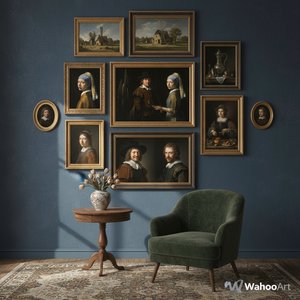
Dutch Baroque Masters: 10 Paintings That Shaped an Era | AllPaintingsStore
Journey through the Golden Age with our guide to the Top 10 Dutch Baroque masterpieces! Explore iconic paintings by Rembrandt, Vermeer & Frans Hals. Find museum-quality art reproductions and elevate your home decor at AllPaintingsStore.com.