购买版画
购买版画 分享
分享 分享
分享
 详情
详情

 下载
下载
 相似作品
相似作品 X射线
X射线 幻灯片播放
幻灯片播放The Rolin Madonna (La Vierge au Chancelier Rolin)
 Acrylic On Canvas
- WallArt
- Early Netherlandish Art Movement
 1435
1435- Renaissance
 66.0 x 62.0 cm
 展开详情
展开详情




P118B $10

P118H $10

P118W $10

P438Z $10

P508JH $12

P508YH $12

P805H $10

P805Z $10

P919BZ $10

P919G $10

P919XJ $10

P959ZH $10

P968JZ $12

W106C $8

W218G $10

W218JH $8

W218Y $10

W307PJ $10

W316G $10

W316PJ $8

W316Y $10

W398PJ $8

W4111J $10

W500HY $15

W500JH $15

W692G $12

W849H $8

W940BG $15

W953PJ $8




从与原作比例一致的预设尺寸中进行选择。

您可以输入自定义尺寸,以适配特定的画框或空间。如果所选尺寸与原图比例不符,我们将通过裁剪作品或添加手绘元素来扩展画面。数字样稿将在制作开始前发送给您确认。
请注意,屏幕预览无法准确反映实际的裁剪或扩展效果,只有样稿才能真实呈现最终的构图。
虽然我们提供定制尺寸服务,但为了保留原作比例,建议您从预设列表中选择尺寸。
下单后,AllPaintingsStore.com 团队将通过电子邮件联系客户获取具体要求,并提供效果预览图。


 玻璃选项仅适用于110厘米以下的尺寸。

The Rolin Madonna (La Vierge au Chancelier Rolin)
复制材质
复制品尺寸
-


最终总价
-
作品详情
The Rolin Madonna (La Vierge au Chancelier Rolin)
Jan van Eyck’s *The Rolin Madonna*, completed in 1435, stands as a cornerstone of Early Netherlandish painting and a testament to the artistic brilliance that flourished during the Burgundian Renaissance. Housed within the Louvre Museum's hallowed halls, this oil painting on panel transcends mere depiction; it embodies profound symbolism and masterful technique—elements that continue to captivate audiences centuries later. Commissioned by Chancellor Rolin, Nicolas Rolin was a prominent figure in the Duke of Burgundy’s court, tasked with bolstering royal prestige and securing alliances. The Madonna and Child scene portrays Mary cradling Jesus amidst an opulent interior reminiscent of an Italian Renaissance palazzo, yet infused with Northern European sensibilities.- Composition & Technique: Van Eyck employed his signature oil painting technique—a revolutionary innovation at the time—allowing for unprecedented detail and luminosity. Layers upon layers of pigment were meticulously applied, capturing textures and nuances that would have been unattainable with tempera paint. The artist’s meticulous attention to perspective creates a convincing illusion of depth, drawing viewers into the serene atmosphere of the chapel.
- Symbolism: The painting is replete with symbolic references rooted in Christian iconography. Notably, the eight-pointed star pattern adorning the floor symbolizes Mary's purity and divine grace—a motif prevalent throughout European art during this period. Furthermore, the Madonna’s posture exudes tranquility and devotion, reflecting the spiritual aspirations of Rolin and his family.
- Historical Context: Created during Philip the Good’s reign, *The Rolin Madonna* reflects the Burgundian court's fascination with humanist ideals and its desire to emulate the grandeur of Italian Renaissance art. However, it retains a distinctly Northern European aesthetic—characterized by realism and psychological insight—marking a pivotal moment in artistic evolution away from Gothic conventions.
- Influence & Legacy: Van Eyck’s masterpiece profoundly impacted subsequent generations of painters, establishing standards for naturalism and detail that would endure throughout the Renaissance. Its influence can be seen in works by Rogier van der Weyden and Robert Campin—artists who embraced similar stylistic approaches. Today, *The Rolin Madonna* continues to inspire admiration for its artistic excellence and serves as a poignant reminder of the enduring power of art to convey spiritual contemplation.
Related Works by Jan Van Eyck
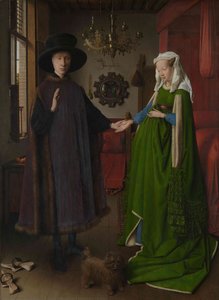
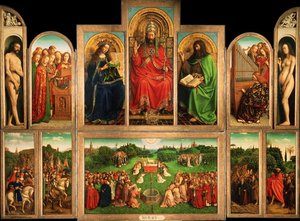
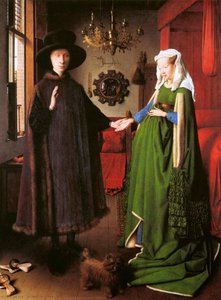
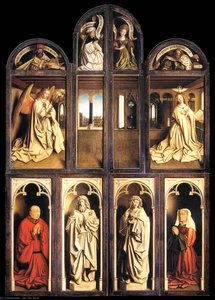
Exploring Van Eyck’s oeuvre reveals an artist deeply invested in capturing the essence of human experience—a pursuit exemplified by several other celebrated paintings: *The Ghent Altarpiece*, a monumental polyptych depicting scenes from the life of Christ, showcases his unparalleled mastery of color and composition. Similarly, *Portrait of Cardinal Niccolò Albergati* exemplifies Van Eyck’s meticulous observation of facial anatomy and psychological expression—a hallmark of his distinctive style. And *The Arnolfini Portrait*, commissioned by Giovanni Arnolfini and Isabella Wolsey, demonstrates Van Eyck's innovative use of perspective and symbolism to convey complex narratives about marriage and faith.Conclusion
Jan van Eyck’s *The Rolin Madonna* transcends its historical context—a product of the Burgundian Renaissance—to achieve timeless artistic significance. Its masterful technique, profound symbolism, and evocative atmosphere solidify its place as one of the most influential paintings in Western art history. For those seeking to immerse themselves in the beauty and intellectual depth of Early Netherlandish painting, Van Eyck’s legacy offers an unparalleled source of inspiration—a testament to his unwavering commitment to artistic excellence and a celebration of the enduring power of visual storytelling.Further Exploration
To delve deeper into Jan van Eyck's artistic vision and the broader context of Early Netherlandish art, we invite you to visit The Early Netherlandish Art Movement on AllPaintingsStore. Explore related artworks by Van Eyck and discover the transformative impact of this artistic movement on European culture!


艺术家简介
光芒照耀的生命:扬·凡·艾克的艺术世界
扬·凡·艾克,一个与早期尼德兰绘画的黎明和油画革命性运用相伴的名字,尽管他对艺术史产生了巨大的影响,但他本人仍然是一个充满谜团的人物。大约在1390年左右,他出生于现在的荷兰境内马斯特里赫特,他的家族深耕艺术领域——他的哥哥胡伯特·凡·艾克也从事绘画创作,但关于他的作品的细节却显得模糊不清。尽管关于他早年生活的确切传记细节稀少,但显而易见的是,扬天生就具备天赋异禀的才能,并迅速在当时的艺术圈中崭露头角。到1422年,他在海勒因已经建立了自己的工作室,雇佣助手并承接委托,这些都预示着他技艺的精湛。这种早期的成功并非仅仅基于艺术技巧;扬是一位聪颖且值得信赖的人,这些品质很快便使他受到强大赞助人的青睐。勃艮第宫廷:外交与艺术的繁荣
扬·凡·艾克职业生涯中的一个关键时刻是他的任命到勃艮第宫廷服务,最初在约翰三世“无情”手下,后来在菲利普四世“善治”手下。这不仅仅是一种赞助安排;扬被委托执行外交任务,证明了公爵对他谨慎和智慧的信任。这些穿越欧洲的旅程——包括前往葡萄牙和西班牙的探险——使他接触到不同的文化和艺术影响,微妙地塑造了他的风格演变。宫廷不仅提供了经济保障,还提供了访问资源的渠道,使扬能够追求雄心勃勃的项目,突破艺术上可实现性的界限。他不仅仅是为勃艮第贵族而绘画;他成为了他们世界的一部分,通过他的艺术反映并提升他们的声望。这种独特的地位赋予了他很少有同时代画家的艺术自由,使其能够进行实验和创新,从而永远改变了绘画的进程。油彩的炼金术:一种革命性的技术
虽然并非油画的发明者——其使用早于扬·凡·艾克——但他无疑是其技艺的大师。在扬的创新之前,蛋彩画是主要的媒介,融合能力有限,且呈现出相对平淡的效果。扬通过一丝不苟地分层透明釉色,充分释放了油画的潜力,实现了前所未有的细节、光泽和真实感。这种技术允许进行微妙的色调渐变、更丰富的色彩以及创造模仿现实本身的纹理。效果是变革性的;表面似乎从内部发光,织物具有触觉质感,肖像不仅捕捉了容貌,还捕捉到了心理深度。他的精通不仅仅是一种技术——它是一种炼金术的过程,将颜料转化为类似于活着的现实的东西。这种创新并未被忽视;它成为了后世无数画家发展的基础,从根本上改变了西方艺术的格局。杰作与持久的遗产
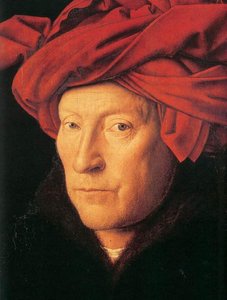
扬·凡·艾克的艺术遗产由一幅相对较小但极具影响力的作品群所巩固。《根特祭坛画》(1432年)是他最具雄心壮志的尝试——一个复杂的宗教象征主义和技术精湛的万花筒。同样享有盛誉的是《吉奥凡尼·阿诺尔菲尼夫妇肖像》(1434年),这是一幅开创性的肖像作品,以其真实感、错综复杂的细节和神秘的象征意义而闻名。《德累斯顿三联画》是其他著名的作品之一,展示了他以惊人的清晰度描绘宗教场景的能力,《蓝色头巾中的男子》则证明了他捕捉个体性格的能力。这些绘画不仅仅是视觉表现;它们是通往另一个世界的窗口——一个用近乎痴迷的细节一丝不苟地呈现的世界。扬·凡·艾克的的影响力远远超出了这些标志性作品,塑造了早期尼德兰绘画的发展,并激励了几个世纪以来的无数艺术家。他在1441年于布鲁日去世,留下了一份遗产,这份遗产至今仍在回响,提醒着我们艺术的力量能够照亮人类的经验。胡伯特·凡·艾克:兄弟关系的谜团
关于扬·凡·艾克的作品,人们往往会提及他的哥哥胡伯特,但胡伯特的生平和贡献却笼罩在迷雾之中。尽管一些学者质疑胡伯特的存在,但历史记录表明他可能出生于1366年左右,比扬年长约24岁。他们共同创作了《根特祭坛画》的最初版本,而胡伯特被认为是其设计和构思的主要贡献者。然而,关于胡伯特的个人生活和艺术风格的信息却非常有限,这使得人们很难准确评估他在兄弟二人合作中的作用。尽管如此,《根特祭坛画》的宏伟规模和复杂性暗示着他们之间存在着一种深刻的艺术合作关系,而胡伯特无疑在其中发挥了重要作用。签名与自画像:艺术家身份的崛起
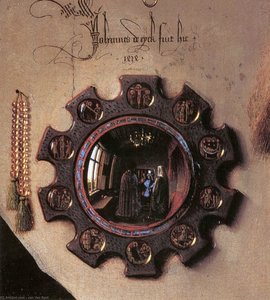
扬·凡·艾克的一项非凡之处在于他开始在他的作品上签名并注明日期,这在当时是罕见的做法。这种行为不仅表明了他对自身艺术成就的自信,也标志着艺术家地位的转变——从默默无闻的手工艺人到受人尊敬的知识分子和创造者。此外,他在《吉奥凡尼·阿诺尔菲尼夫妇肖像》中的巧妙自画像进一步巩固了这一转变。通过将自己描绘成画中场景的一部分,扬不仅展示了他的绘画技巧,还宣示了他作为艺术家的重要性——一个观察者、记录者和创造者。这种自我意识的表达为后世艺术家树立了一个榜样,鼓励他们拥抱自己的身份并公开承认他们的贡献。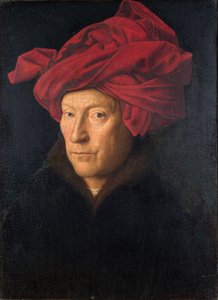
扬·凡·艾克
1390 - 1441 , 荷兰
艺术家简介
- Artistic Movement Or Style: 早期尼德兰绘画
- Artists Or Movements Influenced By This Artist: ['早期尼德兰画家']
- Date Of Birth: 约1390年
- Date Of Death: 1441年
- Full Name: 扬·凡·艾克
- Nationality: 弗拉芒人
- Notable Artworks:
- 根特祭坛画
- 阿尔诺夫二世夫妇画像
- 德累斯顿三联画
- 蓝色帽子男子像
- Place Of Birth: 马斯特里赫特,荷兰
相关文章

Early Netherlandish Masters: 10 Paintings That Revolutionized Art & Decor
Journey into the Early Netherlandish Renaissance! Explore 10 iconic paintings by Jan van Eyck, Rogier van der Weyden & more. Discover stunning detail, symbolism, and oil painting techniques. Find museum-quality art reproductions for your home at AllPaintingsStore.com.
Hugo van der Goes: Devotion, Innovation & the Psychological Depth of Early Netherlandish Painting
Explore the revolutionary art of Hugo van der Goes – a master of Early Netherlandish painting renowned for his dramatic realism, psychological depth & profound influence on Renaissance artists. Discover his iconic works and lasting legacy.

十五至十六世纪早期尼德兰绘画:现实主义曙光与象征意义探析
深入探索十五至十六世纪早期尼德兰绘画的艺术魅力!解读油画技法革新、象征主义隐秘语言,赏析扬·凡·艾克等大师杰作。专业分析,助您领略北方文艺复兴的开端与对后世艺术的影响。

Bridging Centuries: Digital Visualization & Classical Oil Painting Techniques in Contemporary Art Commissioning
Discover the art of commissioning bespoke oil paintings blending classical techniques with modern digital precision. Expert artists, personalized service & museum-quality results. Invest in a timeless masterpiece today.
Jan van Eyck: Innovation, Symbolism & the Dawn of Early Netherlandish Painting
Explore the revolutionary art of Jan van Eyck! Discover his groundbreaking oil painting techniques, hidden symbolism, and lasting impact on the Early Netherlandish Renaissance. A deep dive for art enthusiasts.