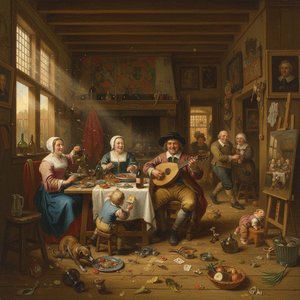
1668. Oil On Canvas, 111.0 x 99.0 cm. Residenzgalerie.

§ 1目录数据

- 111.0 x 99.0 cm


§ 2摘要
藏品详情
Explore Jan Weenix’s ‘The Prodigal Son,’ a dramatic Baroque oil painting of 1668. Witness masterful composition, rich colors & poignant storytelling in this captivating artwork.
 展开全文
展开全文
§ 3赏析
A Masterpiece of Baroque Drama
In the profound depths of Jan Weenix’s 1668 masterpiece, The Prodigal Son, viewers are transported into a world of intense theatricality and raw human emotion. This classical oil painting serves as a breathtaking window into the Baroque era, capturing a moment of profound vulnerability and communal grief. The composition is masterfully orchestrated, drawing the eye through a complex arrangement of figures gathered around a fallen protagonist. Set against the evocative backdrop of an architectural ruin, the scene utilizes a powerful arched doorway to create a sense of immense depth, pulling the observer into the very heart of the tragedy. The interplay of light and shadow—a hallmark of the period—casts a dramatic glow upon the central figures, highlighting the textures of weathered stone and the heavy folds of drapery, while plunging the periphery into mysterious, somber shadows.
The technical prowess displayed in this work reflects the pinnacle of Dutch Golden Age skill. Weenix employs a sophisticated layering technique, utilizing glazes to achieve a luminous quality that breathes life into skin tones and the rich, earthy palette of ochres, deep reds, and warm browns. Every brushstroke serves a purpose, from the delicate rendering of facial expressions caught in moments of anguish to the more vigorous, textured applications used to define the decaying masonry of the ruins. This meticulous attention to detail creates a tactile experience for the viewer, where the smoothness of fine silk contrasts sharply with the rugged, crumbling edges of the ancient architecture, suggesting a world where human fragility meets the inexorable passage of time.
Symbolism and the Weight of Mortality
Beyond its visual splendor, The Prodigal Son is a profound meditation on loss, decay, and the cyclical nature of life. The fallen figure at the center of the composition acts as a powerful symbol of mortality, serving as the emotional anchor for the surrounding crowd. The architectural ruins that frame the scene are not merely decorative; they represent the inevitable decline of all earthly structures and the transient nature of human glory. As the eye wanders toward the distant seascape visible through the archway, there is a poignant contrast between the stillness of death within the ruins and the eternal, rhythmic movement of the sea. This juxtaposition invites collectors and enthusiasts to contemplate themes of redemption, consequence, and the enduring legacy of our actions.
For the discerning interior designer or art collector, this painting offers more than just aesthetic beauty; it provides a narrative soul for a space. The warm, somber tones and the commanding presence of the composition make it an ideal focal point for a room designed to evoke contemplation and grandeur. Whether placed in a traditional study or as a conversation piece in a contemporary gallery setting, The Prodigal Son commands attention through its ability to stir the spirit. It is a work that transcends mere decoration, offering a timeless connection to the mastery of Jan Weenix and the enduring power of classical storytelling.
常见问题与解答
"The Prodigal Son" 是否支持增强现实 (AR) 预览?
通过作品的 AR 效果预览 页面,您可以在兼容设备上使用增强现实技术,在自己的墙面上预览 扬·威尼克斯 的《The Prodigal Son》。
扬·威尼克斯 的《The Prodigal Son》 的画面方向是怎样的?
"The Prodigal Son" 的画幅格式为 Portrait。这对于规划复制品的摆放位置非常有用。
扬·威尼克斯 的《The Prodigal Son》 创作于哪一年?
"The Prodigal Son"创作于1668年。这一时期将该作品置于扬·威尼克斯的艺术生涯及其所处时代之中。


 切换至版画销售渠道


 对于任何边长超过 105 厘米(约 41 英寸)的艺术品或复制品,画框将以拆解后的组件形式发货。此方法可确保安全送达并防止运输过程中的损坏。