


 效果预览
效果预览
 分享
分享 分享
分享
 详情
详情 指南
指南

 下载
下载
 相似作品
相似作品 X射线
X射线 幻灯片播放
幻灯片播放 统计数据
统计数据Italian Peasant Boy
 Acrylic On Canvas
- WallArt
- Romantic Landscape Painting
 1827
1827 25.0 x 33.0 cm
 展开详情
展开详情
手工油画复制品
由我们的艺术家按需定制,为您提供您所选尺寸及画框的布面手工油画。 ( 切换至版画销售渠道 切换至数字图像销售渠道)




P118B $10

P118H $10

P118W $10

P438Z $10

P508JH $12

P508YH $12

P805H $10

P805Z $10

P919BZ $10

P919G $10

P919XJ $10

P959ZH $10

P968JZ $12

W106C $8

W218G $10

W218JH $8

W218Y $10

W307PJ $10

W316G $10

W316PJ $8

W316Y $10

W398PJ $8

W4111J $10

W500HY $15

W500JH $15

W692G $12

W849H $8

W940BG $15

W953PJ $8




从与原作比例一致的预设尺寸中进行选择。

您可以输入自定义尺寸,以适配特定的画框或空间。如果所选尺寸与原图比例不符,我们将通过裁剪作品或添加手绘元素来扩展画面。数字样稿将在制作开始前发送给您确认。
请注意,屏幕预览无法准确反映实际的裁剪或扩展效果,只有样稿才能真实呈现最终的构图。
虽然我们提供定制尺寸服务,但为了保留原作比例,建议您从预设列表中选择尺寸。
下单后,AllPaintingsStore.com 团队将通过电子邮件联系客户获取具体要求,并提供效果预览图。


 玻璃选项仅适用于110厘米以下的尺寸。

Italian Peasant Boy
复制材质
复制品尺寸
-


最终总价
$ 258
A Portrait of Tranquility: Exploring Jean-Baptiste-Camille Corot’s Italian Peasant Boy
Jean-Baptiste-Camille Corot's *Italian Peasant Boy*, painted in 1827, stands as a cornerstone of Romantic landscape painting and a poignant meditation on childhood innocence. More than just a depiction of a young boy seated upon a bench, it embodies the core tenets of Corot’s artistic philosophy—a profound reverence for nature coupled with an unwavering commitment to capturing its fleeting beauty. This intimate portrait resides within the National Gallery of Art's collection, offering viewers a rare glimpse into the artist’s masterful technique and his ability to convey complex emotions through deceptively simple forms.The Artist’s Vision: Corot and Romantic Landscape
Corot (1796-1875) emerged as a pivotal figure in the burgeoning Romantic movement, rejecting Neoclassical ideals of grandeur and order for an aesthetic rooted in observation and emotion. Unlike his predecessors who often idealized historical subjects or mythological narratives, Corot focused primarily on landscapes—particularly rural scenes—believing that they held the key to unlocking profound truths about human experience. He championed a style characterized by diffused light, muted colors, and atmospheric perspective—methods designed not merely to represent reality but to evoke feelings of serenity and contemplation. His canvases rarely boast dramatic compositions; instead, they prioritize subtle nuances of tonal gradation and textural detail, inviting viewers into a contemplative dialogue with the natural world.Technical Mastery: Oil on Canvas – A Delicate Balance
Corot’s *Italian Peasant Boy* exemplifies his exceptional skill in manipulating oil paint—a medium he favored throughout his prolific career. The painting utilizes a technique known as “plein air” painting, meaning it was executed outdoors directly onto the canvas. This approach necessitated careful consideration of changing light conditions and demanded an artist's ability to swiftly capture ephemeral effects. Corot achieved this remarkable feat through meticulous layering of thin glazes—transparent washes of pigment applied over previously painted surfaces—creating a luminous surface that radiates warmth and depth. The subtle blending of colors—primarily ochres, browns, and muted greens—further enhances the painting’s atmospheric quality, immersing the viewer in a scene reminiscent of a tranquil afternoon.Symbolism Within Simplicity: Childhood Innocence and Rural Harmony
Beyond its technical brilliance, *Italian Peasant Boy* resonates with symbolic significance. The boy himself represents idealized childhood innocence—a state characterized by purity, vulnerability, and unburdened joy. His posture exudes comfort and repose, suggesting a connection to the surrounding landscape that transcends mere physical presence. The inclusion of a chair and bench reinforces this notion of harmonious coexistence between humanity and nature. Furthermore, the bottle positioned in the upper right corner may symbolize sustenance—both literal and metaphorical—representing nourishment for the soul and an appreciation for the simple pleasures of rural life.Emotional Resonance: Capturing the Essence of Serenity
Ultimately, Corot’s *Italian Peasant Boy* succeeds in conveying a profound emotional resonance. The painting's subdued palette and soft brushstrokes evoke feelings of peace and tranquility—a deliberate response to the turbulent social and political landscape of his time. It invites contemplation on themes of childhood, rural harmony, and the enduring beauty of the natural world. Like many Romantic paintings, it prioritizes subjective experience over objective representation, prompting viewers to consider their own relationship with nature and the importance of preserving its unspoiled splendor. Its legacy continues to inspire artists and collectors alike—a testament to Corot’s unwavering dedication to capturing the sublime essence of human emotion through the medium of landscape painting.相似艺术品


艺术家简介
光与田园的诗人:卡米耶·柯罗的一生
Jean-Baptiste-Camille Corot,一个与19世纪法国风景画的宁静之美紧密相连的名字,于1796年7月16日出生在巴黎一个舒适的资产阶级家庭。尽管最初被引导走向商业道路,命运——或许是天生的艺术敏感性——介入了。他的早期岁月充满了非凡的经历;直到四岁时才由一位乡村护士照顾在L’Isle-Adam附近的乡间,他与自然之间建立了一种深刻的联系,这将永远塑造他的艺术视野。这种最初沉浸于田园宁静的体验,与之后等待着他的喧嚣城市生活形成了鲜明对比,却为他一生对捕捉光线和氛围的瞬息变化奠定了基础。他的父母,成功的帽子制造商,提供了经济上的稳定,使柯罗能够自由探索他日益增长的热情——绘画,这在那个时代的有抱负艺术家来说是一项罕见的特权。这种支持至关重要,使他能够在没有立即谋生压力的前提下全身心投入到艺术训练中。从学院派基础到户外创新的飞跃
柯罗的正式艺术教育始于在Achille Etna Michallon和后来的Jean-Victor Bertin门下学习,他们都是深谙新古典主义传统的杰出风景画家。这为他奠定了坚实的基础,强调了构图和形式的清晰性与结构。然而,柯罗并不满足于简单地复制既定的风格;他渴望着更真实的东西,一种能够传达不仅仅是*他所看到的事物*,而是*沉浸在景观中的感觉*的方式。一个关键时刻出现在1825年他的第一次意大利之旅。罗马卡芒帕尼亚(Campagna Romana),沐浴在金色的光芒中,并充满了历史气息,点燃了他的想象力。他花了数年的时间素描和绘画en plein air——直接从大自然中进行创作——这是一种当时仍然相对不常见的做法。这种对直接观察的奉献使他能够捕捉到微妙的光影变化、将成为其风格标志性特征的精致大气效果。他并非仅仅记录地形细节;他力求唤起一种情绪,一种宁静与和谐的感觉。他的早期意大利作品展示了受古典理想影响的形式清晰和明亮的调色板,但已经暗示了他成熟风格中更柔和、更富有表现力的手法。他一丝不苟地研究大师们的作品,在罗马的画廊里临摹他们的作品,但始终通过自己日益敏锐对自然的感知来过滤这些经验。传统与创新的桥梁
柯罗的艺术发展并非一帆风顺;而是在传统与创新之间微妙的平衡。他定期在巴黎沙龙展出,最初因其根植于新古典主义传统的作品而获得认可。然而,随着他对en plein air绘画的探索不断深入,他的风格开始演变。他逐渐放弃了高度完成、细节丰富的构图,转而采用更松散的笔触和更柔和的调色板。这种转变并非完全否定学院派原则;相反,它是一种尝试将直接观察的即时性和情感共鸣注入其中。他成为了顿色主义的大师,利用价值的微妙变化来创造深度和氛围。他的风景并非关于戏剧性的叙事或宏伟的手势;而是关于安静的沉思,日常之美的体现——一片森林空地、阳光斑驳的草地、一条宁静的河岸。这种方法引起了越来越多寻求逃离19世纪法国快速工业化和社会动荡的观众的共鸣。他巧妙地将现实主义元素与一种近乎诗意的敏感性相结合,创造出既熟悉又深深个人化的风景。他并不热衷于发表宏大的声明或政治立场;他的艺术在于发现平凡中的美丽,将世俗提升到宁静沉思的境界。遗产与持久的影响
Jean-Baptiste-Camille Corot对后代艺术家的影响是不可估量的。他是新古典主义传统和新兴印象派运动之间的关键纽带。莫奈、毕沙罗、西斯莱等艺术家深深钦佩他捕捉光线和氛围的瞬息变化的能力,并在他们自己的开创性工作中以此为基础。柯罗并非仅仅是印象派的前奏;他是一位独特而重要的艺术家。他的庞大作品——包括风景画、肖像画和人物研究——继续以其宁静的美丽和情感深度吸引着观众。 他的作品可以在世界各地的主要博物馆中找到,包括位于敦刻尔克和奥尔南的布埃克斯艺术博物馆,以及伦敦国家美术馆和纽约大都会艺术博物馆。他于1875年2月22日去世,留下了一份遗产,这份遗产继续激励着艺术家和艺术爱好者——这是对光、景观和安静沉思持久力量的证明。《休憩》、《打断的阅读》和《阿戈斯蒂娜》仍然是他技艺的标志性例子,展示了他以非凡的敏感性和优雅捕捉物理世界及其主题内心生活的能力。他的影响超越了绘画;他培养了一种艺术自由的精神,并鼓励年轻艺术家找到自己的声音,巩固了他作为艺术史上关键人物的地位。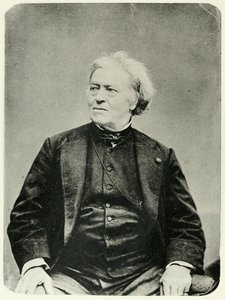
柯罗
1796 - 1875 , 法国
艺术家简介
- Artistic Movement Or Style: 现实主义, 印象派
- Artists Or Movements Influenced By This Artist:
- 莫奈
- 毕沙罗
- 西斯莱
- 印象派
- Artists Who Influenced This Artist:
- 阿希尔·埃特纳·米夏隆
- 让-维克多·贝尔丁
- Date Of Birth: 1796年7月16日
- Date Of Death: 1875年2月22日
- Full Name: 让-巴蒂斯特·卡米耶·科罗
- Nationality: 法国人
- Notable Artworks:
- 安纳尼桥
- 休憩
- Place Of Birth: 巴黎,法国


