


 效果预览
效果预览
 购买印刷品
购买印刷品 分享
分享 分享
分享
 详情
详情

 下载
下载
 相似作品
相似作品 X射线
X射线 幻灯片播放
幻灯片播放Untitled
 1935
1935 61.0 x 46.0 cm
 展开详情
展开详情




































从与原作比例一致的预设尺寸中进行选择。

您可以输入自定义尺寸,以适配特定的画框或空间。如果所选尺寸与原图比例不符,我们将通过裁剪作品或添加手绘元素来扩展画面。数字样稿将在制作开始前发送给您确认。
请注意,屏幕预览无法准确反映实际的裁剪或扩展效果,只有样稿才能真实呈现最终的构图。
虽然我们提供定制尺寸服务,但为了保留原作比例,建议您从预设列表中选择尺寸。
下单后,AllPaintingsStore.com 团队将通过电子邮件联系客户获取具体要求,并提供效果预览图。


 玻璃选项仅适用于110厘米以下的尺寸。

Untitled
复制材质
复制品尺寸
-


最终总价
$ 258
作品详情
John Opper: A Brief Overview
John Opper was an American painter born in 1908 in Chicago, Illinois. He is known for his transition from semi-abstract to fully abstract paintings in the late 1930s and 1950s. Opper's work is characterized by his handling of color and ability to create dramatic intensity on the picture plane. For more information on John Opper, visit /art/list/?Filter=AR2492-John-Opper-Untitled.The Painting: "Untitled"
The Untitled painting features a colorful abstract artwork with a dining table at its center. The table is surrounded by various objects, including a bottle of wine, a cup, a bowl, and a vase. Two chairs are positioned on either side of the table, adding to the overall sense of balance and harmony. The red background of the painting adds to the vibrant atmosphere, making it a truly eye-catching piece.- Medium: Oil On Canvas
- Size: 61 x 46 cm
- Date: 1935
- Museum: Smithsonian American Art Museum
In conclusion, John Opper's Untitled is a remarkable piece of art that showcases the artist's unique style and technique. With its vibrant colors and abstract elements, this painting is sure to captivate audiences. For those interested in learning more about John Opper and his work, I recommend visiting https://AllPaintingsStore.com or checking out his profile on Wikipedia: https://en.wikipedia.org/wiki/John_Opper.
相似艺术品
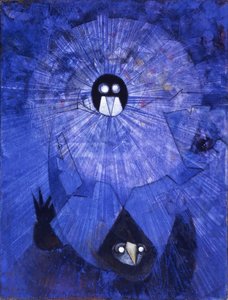


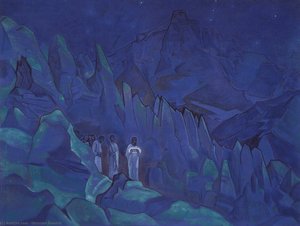


艺术家简介
John Opper: Pioneer of Vibrant Color Fields
John Opper (1908–1994) stands as a significant figure in Abstract Expressionism, recognized for his distinctive approach to color and texture—bold, luminous fields that convey profound emotional intensity. Born in Philadelphia, Pennsylvania, Opper’s artistic journey began modestly, exploring semi-abstract landscapes before decisively embracing pure abstraction in the mid-1950s, marking a pivotal moment in American art history. He was a founding member of American Abstract Artists (AAA), cementing his place within a movement dedicated to liberating painting from representational constraints and prioritizing spontaneous gesture alongside chromatic exploration.Early Influences & Artistic Formation
Opper’s formative years were shaped by exposure to European avant-garde movements, particularly Surrealism and Cubism, which instilled in him an appreciation for visual experimentation and psychological depth. However, it was his encounter with the landscapes of Wyoming—captured during a solo expedition in 1937—that proved transformative. This experience ignited within him a fascination with color as a vehicle for conveying emotion and memory, influencing his subsequent artistic endeavors. The vastness and grandeur of the American West served as an inspiration for creating monumental canvases that pulsated with vibrant hues and energetic brushstrokes.The Shift to Abstract Expressionism & Color Field Painting
The late 1930s witnessed a gradual evolution in Opper’s stylistic sensibilities, culminating in his embrace of abstract expressionism. Rejecting traditional perspective and illusionistic techniques, he sought to express inner states directly through pigment—a method that aligns perfectly with the principles of color field painting. Artists like Mark Rothko and Barnett Newman championed similar approaches, prioritizing color as a primary means of communication and creating immersive visual experiences. Opper’s canvases are characterized by expansive areas of saturated color, often juxtaposed against darker backgrounds, generating palpable tension and conveying feelings of solitude and contemplation.Notable Works & Museum Collections
Opper's oeuvre includes iconic paintings such as “Farmyard,” “Wyoming,” and “Untitled,” each demonstrating his mastery of color and texture. These works are held in prominent museum collections across the United States, including the Smithsonian American Art Museum and Yale University Art Gallery, testifying to their enduring artistic merit and cultural significance. The monumental scale of these canvases underscores Opper’s ambition to engage viewers on a visceral level—to provoke emotional responses that transcend intellectual comprehension. His paintings invite contemplation and offer glimpses into the artist's inner world, reflecting his profound connection with nature and his unwavering commitment to expressive abstraction.Legacy & Historical Significance
John Opper’s contribution to Abstract Expressionism extends beyond his individual artworks; he helped establish AAA as a cornerstone of the movement, fostering dialogue and collaboration among artists dedicated to pushing the boundaries of artistic innovation. His pioneering use of color fields—a technique that profoundly impacted subsequent generations of painters—continues to inspire contemporary artists seeking new ways to communicate emotion and explore visual language. Opper’s legacy resides in his unwavering belief in the transformative power of art—his conviction that painting could serve as a conduit for accessing profound psychological truths and conveying universal human experiences. He remains an important figure in understanding the evolution of 20th-century American art and its enduring influence on artistic practice today.
john opper
1908 - 1994
艺术家简介
- Artistic Movement Or Style: Abstract Expressionism
- Artists Or Movements Influenced By This Artist: ['Color Field Painting']
- Artists Who Influenced This Artist: ['Hans Hofmann']
- Date Of Birth: October 29, 1908
- Date Of Death: October 4, 1994
- Full Name: John Samuel Opper
- Nationality: American
- Notable Artworks:
- Untitled
- Farmyard
- Wyoming
- Place Of Birth: New York City, United States



