


 效果预览
效果预览
 购买印刷品
购买印刷品 分享
分享 分享
分享
 详情
详情

 下载
下载
 相似作品
相似作品 X射线
X射线 幻灯片播放
幻灯片播放Box


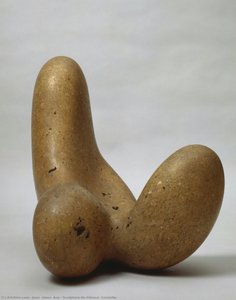
Explore John Prip’s ‘Box,’ a striking 1972 sculpture featuring organic fungal forms on silver. Hyperrealist photography captures decay & resilience – a unique AllPaintingsStore piece.
Explore the evocative sculptures of John Prip, known for his box-like forms & silver objects. Discover a unique blend of realism & abstraction – a AllPaintingsStore artist.
 展开详情
展开详情
购买高分辨率增强版数字图像,其品质远超在线预览。
每一份文件都由我们的内部专家使用先进工具与专业的后期润色技术精心打造。我们确保每一张图像都具备卓越的清晰度、精准的色彩还原度以及细腻的细节表现。
最终文件将在 72 小时内通过电子邮件交付,并针对专业、编辑及印刷用途进行了优化。其品质与顶级设计工作室、出版社和画廊所信赖的标准完全一致。
每份数字图像订单均包含
专业数字图像交付,品质保障
选择 AllPaintingsStore.com,您获得的不仅仅是一张图像——您收到的是经过专业级增强、精雕细琢的数字艺术作品,并享有满意保证。以下是您的订单中自动包含的所有内容:

邮件快速送达
您的高分辨率数字图像文件将在下单后 72 小时内通过电子邮件发送给您 —— 即可立即使用。

AI 增强型数字文件
您的艺术品经过专业优化,结合先进的 AI 技术与人工修饰,确保呈现极致的细节、清晰度与色彩准确度。

终身免费重发服务
不小心删除了文件或找不到了?没关系——我们将随时为您免费重发。

无需进口费用,始终如一
即刻拥有您的艺术作品,无需支付任何关税、税费或运费——数字下载始终免税。

色彩精准保证
我们通过专业工具与色彩管理技术,确保您的数字图像尽可能真实地还原原作色彩。

60天满意保证
如果您对所购买的数字图像不满意,我们将在60天内为您进行修改或退还100%的款项——无需任何解释。

100% 退款保证
如果不满意?在收到数字文件后的60天内,我们为您提供全额退款——无需任何理由。

批量订单优惠
购买 3 张图片可享 10% 折扣 - 购买 5 张可享 15% 折扣 - 购买 10+ 张可享 20% 折扣。非常适合创意项目、画廊和机构使用。
相似艺术品




艺术家简介
A Legacy Forged in Fire: The Life and Art of John Prip
John Axel Prip, known to many as Jack Prip (1922-2009), stands as a pivotal figure in the American metalsmithing landscape. His journey wasn’t merely that of an artist; it was a deliberate bridging of worlds – the formal, deeply ingrained traditions of Danish design and the burgeoning American spirit of innovation. Born in New York City to a Danish father, Folmer Trolle Prip, and an American mother, Marian Evelyn Cherry, his destiny seemed intertwined with the craft from the outset. The family’s return to Denmark when he was still a child proved formative, immersing him in the age-old guild traditions of Scandinavian silversmithing, a heritage passed down through four generations. This early exposure wasn't simply about learning technique; it was an absorption of a philosophy – a reverence for materials and a dedication to meticulous execution. He began his apprenticeship at fifteen with Evald Nielsen, a master silversmith in Copenhagen, spending years honing fundamental skills, reproducing classical forms, and absorbing the discipline that would become a cornerstone of his practice. Yet, even within this rigorous framework, seeds of rebellion were sown; an awareness that true artistry lay beyond mere replication, in the uncharted territories of personal expression.From Alfred to Industry: A Transatlantic Dialogue
The post-World War II era saw Prip return to the United States, carrying with him not just technical prowess but a vision for reshaping American craft. He arrived alongside Tage Frid, another skilled woodworker, both invited to teach at Alfred University’s School for American Craftsmen (SAC). This marked a turning point – a moment when metalsmithing, relatively unknown in America, began to find its footing as a legitimate artistic discipline. Prip's unique position was crucial; he possessed the solid technical foundation rarely found stateside, coupled with an openness to experimentation fostered by his American surroundings. The SAC became a crucible for new ideas, and Prip quickly established himself as a leading force. He wasn’t content simply to impart skills; he encouraged students to question conventions, to push boundaries, and to forge their own paths. This ethos followed him when the school relocated to the Rochester Institute of Technology, where he continued to nurture a generation of metalsmiths. The desire for a broader platform led to the founding of Shop One in 1953, a gallery co-owned with Ronald Hayes Pearson and Frans Wildenhain. More than just a commercial venture, it was an attempt to educate the public about the beauty and value of handmade objects—a radical concept at a time dominated by mass production.The Reed & Barton Years: Bridging Craft and Commerce
Prip’s relentless pursuit of innovation eventually led him to Reed & Barton, a prominent holloware and flatware manufacturer in Massachusetts. In 1960, he accepted the uniquely defined role of “Artist-Craftsman-in-Residence,” an arrangement that allowed him unprecedented creative freedom within a large-scale industrial setting. This wasn’t about compromising his artistic vision; it was about demonstrating its viability on a broader scale. He was given a dedicated studio and access to the company's 900 workers, tasked with designing pieces that could be commercially produced without sacrificing aesthetic integrity. The challenge was immense – translating avant-garde designs into objects accessible to a wider audience. Prip rose to it brilliantly, creating lines like *Dimension*, an onion-shaped tea and coffee service in silver plate that remains a classic today. His ability to seamlessly blend the formal elegance of Danish design with American sensibilities proved transformative, bringing sophisticated forms to mid-century dinner tables. He didn’t shy away from experimentation with materials either, incorporating glazed earthenware, raffia, and ebony into his designs, adding layers of texture and visual interest.A Sculptural Language: Organic Forms and Silver's Resilience
While Prip’s work for Reed & Barton brought him widespread recognition, it was his independent sculptural creations that truly defined his artistic voice. His sculptures are characterized by a striking juxtaposition of organic forms and the inherent qualities of silver. Pieces like ‘Box,’ created in 1972, exemplify this – featuring fungal shapes rendered with hyperrealistic detail on a silver base. These weren’t simply representations of nature; they were explorations of decay, resilience, and the cyclical rhythms of life. He often employed photography to capture these intricate details, emphasizing the textures and subtle nuances of his work. ‘Container with Wings,’ another compelling example from 1972, showcases his mastery of metalworking, incorporating bone and crystal elements into a surreal composition that blurs the lines between ancient artifacts and fantastical creations. His sculptures are not merely objects to be admired; they invite contemplation—a meditation on the beauty found in imperfection and the enduring power of natural forms.Historical Significance: A Lasting Influence
John Prip’s legacy extends far beyond his individual artworks. He fundamentally altered the landscape of American metalsmithing, elevating it from a niche craft to a respected artistic discipline. His ability to bridge the gap between tradition and innovation, craft and industry, continues to inspire artists today. He demonstrated that artistic integrity wasn’t incompatible with commercial success, paving the way for future generations of designer-craftsmen. His emphasis on technical virtuosity, coupled with a willingness to experiment, established standards of excellence that remain influential in contemporary metalsmithing programs across the country. Prip's work is held in prestigious collections such as the Smithsonian American Art Museum and the Museum of Arts and Design, ensuring his place in art history. He wasn’t just a maker of beautiful objects; he was a visionary who redefined our relationship to craft—a testament to the enduring power of artistic expression forged in fire and shaped by a lifelong dedication to innovation.
基本信息
- Artistic Movement Or Style: Sculpture
- Full Name: John Axel Prip
- Nationality: American
- Notable Artworks:
- Box
- Container with Wings
- Place Of Birth: Rhode Island



