


 实景预览
实景预览
 分享
分享 分享
分享
 详情
详情 指南
指南

 下载作品
下载作品
 相似作品
相似作品 X射线
X射线 幻灯片播放
幻灯片播放 Q&A
Q&A 统计数据
统计数据Neptun

 展开全文
展开全文
艺术微喷/版画
博物馆级艺术微喷或帆布版画,制作高效,并提供多种饰面选择。 ( 订购纯手工绘制画作 切换至数字图像销售渠道)




P118B ¥10

P118H ¥10

P118W ¥10

P438Z ¥10

P508JH ¥12

P508YH ¥12

P805H ¥10

P805Z ¥10

P919BZ ¥10

P919G ¥10

P919XJ ¥10

P959ZH ¥10

P968JZ ¥12

W106C ¥8

W218G ¥10

W218JH ¥8

W218Y ¥10

W307PJ ¥10

W316G ¥10

W316PJ ¥8

W316Y ¥10

W398PJ ¥8

W4111J ¥10

W500HY ¥15

W500JH ¥15

W692G ¥12

W849H ¥8

W940BG ¥15

W953PJ ¥8




您可以从与原作比例一致的预设尺寸中进行选择。

请输入您所需的宽度和高度,以适配您的画框或墙面。由于印刷品只能进行裁剪,无法超出原图尺寸,因此若比例不一致,画面的一部分将会被裁切。在正式印刷之前,我们会为您发送一份数字效果图供您确认。本页面显示的图片并非最终裁剪后的效果——只有效果图才能展示真实的裁剪情况。


 玻璃选项仅适用于110厘米以下的尺寸。

Neptun
艺术微喷/版画
复刻品尺寸
-


最终结算价
¥ 430
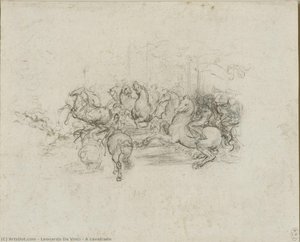
Leonardo da Vinci’s “Neptune”: A Dance of Power and Poseidon
Leonardo da Vinci's "Neptun," often referred to simply as "Neptune," is not merely a painting; it’s a dramatic embodiment of Roman mythology, rendered with an arresting intensity that speaks volumes about the artist’s mastery of composition, light, and psychological depth. Completed around 1482, this charcoal drawing on black chalk offers a glimpse into da Vinci's early explorations of figure work and his fascination with classical themes – specifically, the turbulent power of the sea god Poseidon. Unlike many of his later, more polished works, “Neptun” retains a raw energy, a sense of immediacy that reflects its status as a preliminary study rather than a finished masterpiece.
The scene depicts Neptune, king of the gods and ruler of the oceans, seated upon a shell-shaped rock. He’s not presented in the idealized form often found in Renaissance sculpture; instead, da Vinci captures him with a palpable sense of authority and even a hint of brooding intensity. His posture is deliberately forceful, his gaze fixed ahead as if commanding the waves themselves. The figure is rendered with rapid, confident strokes – a characteristic of Leonardo’s working method – revealing the underlying structure beneath the surface. Notice how he uses hatching to create texture and volume, particularly in the folds of his drapery and the swirling patterns of the sea.
A Symphony of Movement: Technique and Composition
Da Vinci's technique is immediately striking. The charcoal is applied with a remarkable degree of spontaneity, creating a dynamic sense of movement that contrasts sharply with the static quality often associated with Renaissance art. He masterfully employs hatching – closely spaced parallel lines – to build up tones and create an illusion of depth and texture. The use of light and shadow is particularly effective in conveying the drama of the scene; the dark background emphasizes Neptune’s form, while strategically placed highlights draw attention to his face and hands.
Compositionally, “Neptun” is a tour de force. The figure dominates the frame, yet he's not isolated. The swirling waves, depicted with loose, expressive strokes, create a sense of chaos and power that mirrors Neptune’s dominion over the sea. The inclusion of Amphitrite, Neptune’s consort, riding on his back, adds another layer of visual interest and reinforces the theme of royal authority. The placement of the birds – one soaring above, another diving below – subtly connects the earthly realm with the divine, suggesting a broader cosmic order.
Symbolism and Mythological Resonance
“Neptun” is deeply rooted in Roman mythology, drawing upon centuries of tradition surrounding Poseidon. The shell-shaped rock serves as Neptune’s throne, symbolizing his connection to the sea – the very essence of his power. The turbulent waves are not merely decorative; they represent the unpredictable and potentially destructive forces that lie beneath the surface. The presence of birds, often associated with divine messengers or omens, adds a layer of symbolic complexity.
Interestingly, da Vinci’s depiction deviates slightly from traditional portrayals of Neptune. He doesn't present him as a benevolent protector; instead, he captures a more formidable and even somewhat menacing figure – a god who commands respect through sheer force of will. This nuanced portrayal reflects da Vinci’s broader interest in exploring the complexities of human nature and the darker aspects of the divine.
A Legacy of Artistic Innovation
Despite its status as an early study, “Neptun” reveals da Vinci's burgeoning genius and his willingness to experiment with new techniques. It demonstrates his ability to capture not just the physical appearance of a subject but also their psychological state – a skill that would become increasingly central to his later work. Reproductions of this captivating drawing offer a unique opportunity to appreciate da Vinci’s artistic process and to witness firsthand the genesis of one of the most iconic images in Western art history. Its raw energy and dramatic composition continue to resonate with viewers today, reminding us of the enduring power of classical mythology and the boundless creativity of Leonardo da Vinci.
常见问题与解答
列奥纳多·达·芬奇 的《Neptun》 中哪些颜色占据主导地位?
"Neptun" 的色彩基调由以 Putty (#eee1be) 为主的 Pastels 色系构成。
“Neptun”是如何体现 列奥纳多·达·芬奇 的创作主题与艺术风格的?
"Neptun" 与 列奥纳多·达·芬奇 的其他作品一样,都体现了 High Renaissance 风格以及其一贯的主题:classical mythology, renaissance ideals, religious symbolism, divine power, allegorical representation, humanism, da vinci’s exploration of form, masterpiece。
在哪里可以找到关于列奥纳多·达·芬奇 的《Neptun》的数据统计?
关于 列奥纳多·达·芬奇 的《Neptun》 的统计数据可在该作品的 访问统计 页面查看:包括作品的每月访问量、艺术家其他作品的访问量,以及近期访客的国家和语言分布情况。
相似作品




艺术家简介
列奥纳多·达·芬奇的生平与传奇
列奥纳多·迪·谢罗·皮耶罗·达·芬奇(Leonardo di ser Piero da Vinci)于1452年出生于托斯卡纳地区的文奇村附近,他无疑是文艺复兴时期最广为人知的代表人物——一位真正的博学者,其永无止境的好奇心推动着他跨越多个学科领域,在艺术、科学和工程学方面留下了不可磨灭的印记。他的名字本身已成为天才的代名词,见证了他非凡的才华与远见卓识。作为公证员皮耶罗·达·芬奇与农妇卡特里娜的私生子,列奥纳多的早年生活虽不寻常,却让他得以接触现实世界并培养了对自然的敏锐观察力,这深刻地塑造了他的艺术视野。尽管他仅接受过基本的读写算术教育,但他在佛罗伦萨师从安德烈亚·德尔·维罗基奥(Andrea del Verrocchio)的学徒生涯,真正点燃了他的创造火花。在维罗基奥的工作室里,列奥纳多不仅仅是在学习绘画或雕塑;他沉浸在一个充满技术技能的世界中,精通金属加工、木工、素描以及艺术创作的复杂性——这为他日后构建多元化的天才奠定了坚实基础。甚至在这一成长期,关于他非凡天赋的传闻便已流传,有记载称维罗基奥本人在目睹了列奥纳多卓越的绘画能力后,便决定不再从事绘画创作。
米兰时期的创新与艺术繁荣
1482年,列奥纳多开启了人生新篇章,进入米兰公爵路易斯·斯福尔扎(Ludovico Sforza)的效力。这不仅仅是一份艺术任命;列奥纳多在宫廷中担任军事工程师、建筑师、雕塑家和设计师,充分展现了他多样化的技能。他构思了创新的防御工事,设计了华丽的舞台布景,甚至还绘制了奇幻机器的设计图。然而,正是在这一时期,他开始创作其最具标志性的杰作之一:《最后的晚餐》。这幅作品以壁画的形式呈现于圣玛利亚德尔格拉齐亚修道院的食堂中,它超越了单纯的表现,是对人类情感和心理戏剧的深刻探索,精准地捕捉了基督宣告背叛发生的瞬间。其构图在当时具有革命性,对透视技术的精湛运用也将对西方艺术产生数百年的深远影响。尽管他在米兰时期完成了许多未竟的雕塑项目,但列奥纳多的发明精神仍在不断发展,为未来的科学探索奠定了基础。
回归佛罗伦萨与对完美的追求
1499年法军入侵米兰后,列奥纳多返回了正处于艺术发展巅峰的佛罗伦萨。尽管在此期间他完成的作品数量较少,但其影响力却是巨大的。正是在这里,他开始创作出被公认为世界上最著名的画作之一:《蒙娜丽莎》(La Gioconda)。画中人物神秘的微笑和迷人的眼神几代人以来一直吸引着观众,而列奥纳多革命性的“晕染法”(sfumato)——通过光影的微妙过渡来创造朦胧轮廓与大气透视感的技术——为这幅画增添了超凡脱俗的神韵。这一时期,受其渴望用科学精度理解人体形态的坚定驱动,他的解剖学研究也得到了持续深化。他通过解剖尸体,细致入微地记录肌肉、骨骼和器官,创作出一系列在当时领先时代数百年的极其详尽的素描作品。
超越艺术的遗产:科学、发明与持久影响力
列奥纳多的晚年生活充满了在佛罗伦萨、米兰和罗马之间的奔波。他因其卓越的专业知识而备受追捧,却也常常留下未完成的作品——这或许反映了他躁动不安的求知欲以及兴趣领域的广阔程度。1516年,他接受了法国国王弗朗索瓦一世的邀请,前往法国昂布瓦斯附近的克洛·吕塞城堡居住工作,并在那里度过了最后的岁月。他于1519年逝世,留下了一份远超艺术范畴的宏大遗产。他的笔记揭示了他在解剖学、光学、水利学、地质学和地图学方面的先驱性研究,并构思了领先时代数百年的发明,包括飞行器、坦克和先进武器。列奥纳多·达·芬奇对艺术史的影响是无法估量的。他将艺术家的地位从熟练的匠人提升到了知识分子的层面,证明了艺术创作可以由科学探究和对自然世界的深刻理解所驱动。他的绘画作品因其写实主义、心理深度和创新技术而备受赞誉。他始终是人类好奇心、创造力和对知识不懈追求的象征——他是文艺复兴精神的真正化身,其遗产在去世数百年后依然持续激发着世人的敬畏与着迷。
主要成就与深远影响
- 绘画:《蒙娜丽莎》、《最后的晚餐》、《岩间圣母》、《受胎告知》
- 素描与速写:广泛的解剖学研究、工程设计(飞行器、武器)、植物插图
- 科学与工程:在解剖学、光学、水利学、地质学和地图学方面的先驱性工作;构思了领先时代数百年的发明。
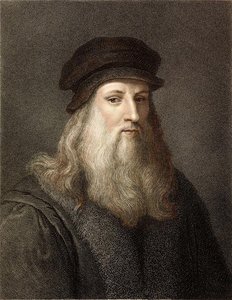
列奥纳多·达·芬奇
1452 - 1519 , 意大利
艺术家简介
- Artistic Movement Or Style: 文艺复兴时期
- Artists Or Movements Influenced By This Artist: ['文艺艺术']
- Artists Who Influenced This Artist: ['安德烈亚·德尔·委罗基奥']
- Date Of Birth: 1452年4月15日
- Date Of Death: 1519年5月2日
- Full Name: 列奥纳多·达·芬奇
- Nationality: 意大利人
- Notable Artworks:
- 蒙娜丽莎
- 最后的晚餐
- 维特鲁威人
- Place Of Birth: 意大利文奇镇
相关文章

Mastering Charcoal: A Professional Guide to Texture and Depth for Large-Scale Interior Art Commissions
Discover professional techniques for mastering charcoal texture and depth. An expert guide for hotel designers and procurement managers looking to integrate high-impact monochrome art into large-scale hospitality projects with precision and scale.


