


 效果预览
效果预览
 分享
分享 分享
分享
 详情
详情 指南
指南

 下载
下载
 相似作品
相似作品 X射线
X射线 幻灯片播放
幻灯片播放 统计数据
统计数据Rape of the Sabine Women
 Oil On Canvas
- WallArt
- Baroque Painting
 1675
1675 243.0 x 314.0 cm
 布里斯托博物馆与美术馆
 展开详情
展开详情
手工油画复制品
由我们的艺术家按需定制,为您提供您所选尺寸及画框的布面手工油画。 ( 切换至版画销售渠道 切换至数字图像销售渠道)




P118B $10

P118H $10

P118W $10

P438Z $10

P508JH $12

P508YH $12

P805H $10

P805Z $10

P919BZ $10

P919G $10

P919XJ $10

P959ZH $10

P968JZ $12

W106C $8

W218G $10

W218JH $8

W218Y $10

W307PJ $10

W316G $10

W316PJ $8

W316Y $10

W398PJ $8

W4111J $10

W500HY $15

W500JH $15

W692G $12

W849H $8

W940BG $15

W953PJ $8




从与原作比例一致的预设尺寸中进行选择。

您可以输入自定义尺寸,以适配特定的画框或空间。如果所选尺寸与原图比例不符,我们将通过裁剪作品或添加手绘元素来扩展画面。数字样稿将在制作开始前发送给您确认。
请注意,屏幕预览无法准确反映实际的裁剪或扩展效果,只有样稿才能真实呈现最终的构图。
虽然我们提供定制尺寸服务,但为了保留原作比例,建议您从预设列表中选择尺寸。
下单后,AllPaintingsStore.com 团队将通过电子邮件联系客户获取具体要求,并提供效果预览图。


 玻璃选项仅适用于110厘米以下的尺寸。

Rape of the Sabine Women
复制材质
复制品尺寸
-


最终总价
$ 258
Luca Giordano’s Dramatic Depiction of a Brutal Myth
This monumental oil on canvas, measuring 243 x 314 cm, presents Luca Giordano's visceral interpretation of the infamous “Rape of the Sabine Women,” painted in 1675. The scene, steeped in Roman legend, depicts a moment of unimaginable horror and societal disruption – the forceful abduction of Sabine women by Roman soldiers during the founding of Rome. Giordano’s masterful handling of light, movement, and human emotion elevates this historical event into a profoundly unsettling narrative, capturing not just the physical act but also the palpable tension and chaos that gripped the scene.
- Subject Matter: The painting directly addresses the mythic foundation of Rome, exploring themes of violence, power, and societal upheaval.
- Historical Context: Created during the height of the Baroque period, this work reflects the era’s fascination with dramatic storytelling and emotional intensity – a hallmark of Giordano's style.
A Masterclass in Baroque Technique
Giordano’s technique is immediately recognizable within the Baroque tradition. He employs a dynamic composition, utilizing diagonal lines to create a sense of movement and instability, mirroring the chaotic nature of the event itself. The figures are rendered with meticulous detail, showcasing his skill in capturing nuanced facial expressions – from the horrified screams of the women to the impassive determination of the soldiers. Note the use of tenebrism, a technique popularized by Caravaggio, where stark contrasts between light and shadow heighten the drama and focus attention on key elements within the composition. The rich color palette, dominated by deep reds, browns, and golds, further amplifies the painting’s emotional impact, contributing to its overall sense of grandeur and intensity.
Symbolism and Emotional Resonance
Beyond a simple depiction of violence, the “Rape of the Sabine Women” is laden with symbolic meaning. The temple in the background represents the established order – Roman authority – that has been brutally violated. The women themselves symbolize innocence and vulnerability, while the soldiers embody unchecked power and aggression. Giordano doesn’t shy away from portraying the brutality of the act, forcing the viewer to confront uncomfortable truths about human nature and societal injustice. The overall atmosphere is one of profound sorrow, terror, and outrage, reflecting the devastating consequences of conflict and oppression.
A Statement Piece for Discerning Collectors
This hand-painted reproduction captures the essence of Giordano’s masterpiece with exceptional fidelity. Executed on high-quality canvas using traditional oil painting techniques, it offers a stunning visual experience that rivals the original in terms of detail and vibrancy. Its imposing size (243 x 314 cm) makes it an ideal statement piece for grand interiors, while its powerful subject matter ensures it will be a focal point within any space. Whether you are an art collector seeking to expand your Baroque collection or an interior designer looking for a dramatic and thought-provoking artwork, this reproduction offers a unique opportunity to own a piece of art history – a testament to Luca Giordano’s genius and the enduring power of his vision.
相似艺术品



艺术家简介
Luca Giordano (1634-1705): Exploring the Vibrant Baroque Masterpiece
Luca Giordano, born in Naples on October 18, 1634, stands as one of Italy’s most celebrated and prolific painters of the late Baroque era. He wasn't merely a craftsman; he was an incandescent force—a whirlwind of creativity whose astonishing output fundamentally reshaped both artistic landscapes and architectural grandeur across Italy and Spain. His father, Antonio Giordano, instilled in him the initial foundations of his artistic education, yet it was under the tutelage of Jusepe de Ribera that Luca truly honed his distinctive style, forging an indelible connection between dramatic intensity and meticulous realism. This formative apprenticeship bequeathed a legacy of theatrical flair and painstaking detail—traits that would permeate Giordano’s oeuvre throughout his illustrious career. Even then, he earned the moniker “Luca fa presto”—Luca the quick one—a testament to his unparalleled speed and seemingly limitless energy; he possessed an uncanny ability to capture profound emotion and breathtaking spectacle with effortless grace.From Naples' Crucible to Rome's Artistic Heart
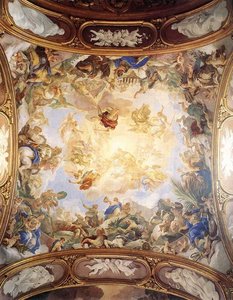
Giordano’s artistic journey commenced in Naples, where he absorbed the vibrant spirit of the city’s artistic milieu—a crucible of innovation fueled by papal patronage and a fervent devotion to religious iconography. He swiftly gained recognition for his prodigious talent, attracting commissions from influential families and ecclesiastical dignitaries alike. However, recognizing the need for broader exposure and intellectual stimulation, Giordano embarked on a transformative pilgrimage to Rome in 1682, seeking inspiration from the city’s artistic titans—Titian, Veronese, and Pietro da Cortona—who championed luminous color palettes and dynamic compositional strategies. This encounter profoundly impacted his stylistic sensibilities, propelling him toward a synthesis of realism and expressive dynamism that would characterize his subsequent works. He diligently studied the techniques employed by these masters, meticulously replicating their brushwork and mastering their mastery of illusionistic space—a decisive step in establishing his own artistic signature. During this period, he undertook significant fresco cycles, notably adorning the dome of the Corsini Chapel at the Chiesa del Carmine—a monumental undertaking that showcased his burgeoning virtuosity and cemented his reputation as one of Rome’s foremost artists.The Influence of Ribera: Drama and Realism Embodied
Jusepe de Ribera exerted a profound influence on Giordano's artistic development, shaping his stylistic preferences and fostering an unwavering commitment to dramatic realism. Like Ribera, Giordano prioritized conveying emotion through meticulous observation—capturing the nuances of human expression with unflinching honesty. He meticulously rendered figures in chiaroscuro—the interplay of light and shadow—creating a palpable sense of depth and psychological complexity—a technique inherited directly from Ribera’s groundbreaking approach. Furthermore, Giordano embraced Ribera's penchant for portraying subjects with visceral immediacy—capturing the physicality of human form with unflinching detail—reflecting Ribera’s unwavering dedication to capturing the essence of human experience. This stylistic convergence underscored the enduring power of artistic mentorship and demonstrated how a single teacher could shape an artist’s entire creative vision.A Synthesis of Venetian Luminosity: Embracing Color and Movement
Giordano's artistic sensibilities were further enriched by his engagement with Venetian painting—a tradition characterized by luminous color palettes and dynamic compositional strategies. He meticulously studied the works of Titian and Veronese, absorbing their mastery of pigment manipulation and their ability to evoke profound emotion through visual spectacle. Like Venetian painters, Giordano prioritized conveying movement—capturing fleeting gestures and expressions with remarkable fluidity—creating an impression of vibrant energy and theatrical dynamism. He skillfully blended Venetian luminosity with Ribera’s dramatic realism—a harmonious fusion that resulted in a distinctive stylistic hallmark—demonstrating his versatility as an artist and his willingness to embrace diverse influences. This approach allowed him to tackle a wide range of subjects – from religious narratives to mythological tales – with equal conviction and artistic finesse.Monumental Frescoes: Transforming Spaces into Living Tapestries
Luca Giordano’s legacy resides primarily in his monumental fresco cycles—works that fundamentally transformed architectural spaces into immersive visual experiences—engulfing viewers in worlds brimming with color, drama, and narrative complexity. He undertook ambitious projects across Italy and Spain, adorning palaces and churches alike with lavish frescoes celebrating divine majesty and commemorating historical events. His frescoes at Naples Cathedral exemplify this artistic ambition—a breathtaking display of decorative grandeur that captivated audiences for centuries. Similarly, his monumental cycle in the Palazzo Nuovo di Napoli showcases his mastery of illusionistic space and narrative storytelling—creating a captivating panorama that transports viewers back to the glories of the Baroque era. Giordano’s ability to seamlessly blend technical virtuosity with emotional depth ensured his place as one of Italy's most revered artists—a testament to his enduring influence on subsequent generations of painters. He died peacefully in Naples on January 3, 1705, leaving behind a vast artistic corpus that continues to inspire admiration and scholarly inquiry.Notable Works & Artistic Connections
- The Judgment of Paris (Berlin Museum): A quintessential example of Giordano’s mythological paintings—characterized by vibrant color palettes and dynamic compositional strategies.
- Christ with the Doctors in the Temple (Corsini Gallery, Rome): Demonstrates Giordano's skill in religious narrative and mastery of light and shadow—a technique rooted in Ribera’s pioneering approach.
- Frescoes in Naples Cathedral & Palazzo Nuovo: Monumental achievements transforming architectural spaces into immersive visual experiences—reflecting Venetian painting’s influence.
- Influences: Jusepe de Ribera, Titian, Veronese, Pietro da Cortona
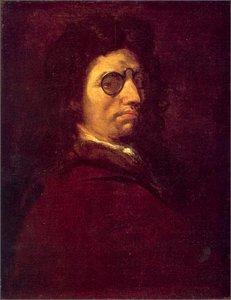
卢本斯
1634 - 1705 , 意大利
艺术家简介
- Artistic Movement Or Style: 巴洛克艺术风格
- Artists Or Movements Influenced By This Artist: ['帕奧洛·德·馬泰伊斯']
- Artists Who Influenced This Artist:
- 尤塞佩·德·里貝拉
- 提坦尼亞
- 維羅納斯
- Date Of Birth: 1634年10月18日
- Date Of Death: 1705年1月3日
- Full Name: Luca Giordano
- Nationality: 意大利人
- Notable Artworks:
- 巴黎審判畫作
- 基督與醫生畫作
- 佛羅倫薩和那不勒斯的壁畫
- Place Of Birth: 意大利那不勒斯
相关文章

巴洛克艺术的戏剧性辉煌:历史背景、风格特征与持久影响
深入探索巴洛克艺术的辉煌历史、独特风格与持久影响。了解卡拉瓦乔、贝尼尼等大师的作品,洞悉反宗教改革运动下的艺术变革。AllPaintingsStore.com为您提供专业的艺术解读与高清画作欣赏。

巴洛克戏剧性:将辉煌与情感融入当代室内设计
探索巴洛克艺术的辉煌与奢华!AllPaintingsStore提供精湛的手工油画复制、定制服务和专业艺术咨询,助您将经典作品融入当代室内设计,提升家居品味。投资艺术,传承价值。

Italian Baroque Unlocked: High-Drama Art That Hits Hard
Dive into the high-drama world of Italian Baroque art. Discover how chiaroscuro, intense emotion, and theatrical lighting redefined aesthetics. Explore the visceral power of the Counter-Reformation through a modern lens with expert insights from AllPaintingsStore.com.

Luca Giordano: Neapolitan Baroque Master & His European Influence
Explore the life & works of Luca Giordano, the celebrated Neapolitan Baroque master. Discover his prolific fresco cycles, Roman commissions, and lasting influence on European art history. Learn more at AllPaintingsStore.

巴洛克艺术巅峰:十部巨作定义时代,点亮您的臻品格调
探索巴洛克艺术的辉煌!本文精选十部巨作,带您领略卡拉瓦乔、伦勃朗等大师的光影魔法与戏剧张力。从黄金时代到宗教绘画,感受奢华与精致。AllPaintingsStore.com为您提供博物馆品质的艺术复制品和家居装饰灵感。尽在AllPaintingsStore.com!

