

1949. 布面油画, 203.0 x 100.0 cm. 纽约现代艺术博物馆.

§ 1目录数据

- 203.0 x 100.0 cm


 了解更多
了解更多§ 2摘要
艺术家简介
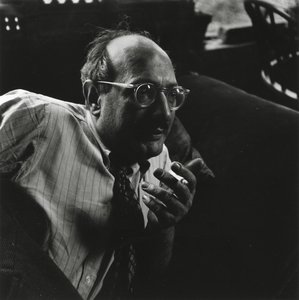
达乌加夫匹尔斯 拉脱维亚 马克·罗斯科 马库斯·雅各夫列维奇·罗斯科维茨 (1940 年前) 探索马克·罗斯科 (1903-1970) 的标志性色彩田绘画和抽象表现主义。 发现这位具有里程碑意义的现代艺术家作品中的深刻情感和持久影响,包括《无题》系列、西格拉姆壁画和罗斯科礼拜堂。 色彩田绘画 极简主义 1903年9月25日 1970年2月25日 马克·罗斯科 美国人 《无题》(1950) 纽约市,美国 1 马克·罗斯科在哪里出生?
§ 3赏析
A Window into Existential Depth: Examining Mark Rothko’s No. 21
The painting “No. 21,” created in 1949 by Mark Rothko, stands as a cornerstone of Color Field abstraction and embodies the profound anxieties that fueled his artistic vision. More than just pigment on canvas, it represents a deliberate confrontation with fundamental questions about human existence—a legacy born from formative experiences rooted in Eastern European Jewish heritage and shaped by significant life transitions. This meticulously crafted piece invites contemplation and offers a glimpse into Rothko’s deeply personal exploration of grief, displacement, and the yearning for solace amidst uncertainty.- Subject Matter: At first glance, “No. 21” presents deceptively simple rectangular blocks of color—deep crimson overlaid with muted indigo—creating an ethereal expanse that dominates the composition. The absence of recognizable imagery forces viewers to engage directly with emotion and intuition rather than relying on visual cues for interpretation.
- Style & Technique: Rothko’s method was revolutionary in its rejection of traditional representational art. He achieved his signature effect through a layering process known as “wet-on-wet,” applying thin washes of pigment onto previously applied layers, allowing them to bleed and merge subtly over time. This technique contributes to the painting's hazy luminescence and imbues it with an almost meditative quality.
Historical Context: The Birth of Color Field Painting
“No. 21” emerged during a period of intense artistic experimentation following World War II, coinciding with the rise of Color Field painting—a movement spearheaded by artists like Rothko and Barnett Newman. This stylistic shift responded to the disillusionment of postwar Europe and sought to express profound emotional states through pure color rather than narrative or figurative depiction. The influence of Zen Buddhism and Eastern philosophy is palpable in Rothko’s approach, reflecting his desire to transcend rational thought and access a realm of primal feeling. As noted in “Table No. 21,” the film's title itself underscores the importance of constitutional rights—a parallel to Rothko’s artistic pursuit of universal human values.- Symbolism: The colors themselves are laden with symbolic significance. Crimson represents passion, vitality, and perhaps even primal instinct, while indigo embodies introspection, melancholy, and spiritual contemplation. Together, they create a harmonious tension that mirrors the complexities of human experience.
- Emotional Impact: Critics have consistently described “No. 21” as emotionally arresting—capable of eliciting feelings of awe, sorrow, and transcendence. Rothko aimed to bypass intellectual analysis altogether, trusting in the viewer’s subconscious mind to respond directly to the painting's visual presence.


 切换至版画销售渠道


 对于任何边长超过 105 厘米(约 41 英寸)的艺术品或复制品,画框将以拆解后的组件形式发货。此方法可确保安全送达并防止运输过程中的损坏。


