


 效果预览
效果预览
 分享
分享 分享
分享
 详情
详情 指南
指南

 下载
下载
 相似作品
相似作品 X射线
X射线 幻灯片播放
幻灯片播放 统计数据
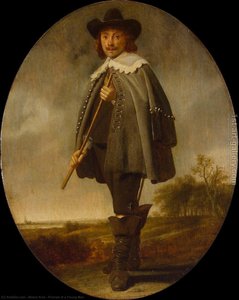
统计数据Portrait of Gerard Cornelis van Riebeeck, Mattheus Verheyden, 1755
 1755
1755 206.0 x 122.0 cm
 展开详情
展开详情
手工油画复制品
由我们的艺术家按需定制,为您提供您所选尺寸及画框的布面手工油画。 ( 切换至版画销售渠道 切换至数字图像销售渠道)




































从与原作比例一致的预设尺寸中进行选择。

您可以输入自定义尺寸,以适配特定的画框或空间。如果所选尺寸与原图比例不符,我们将通过裁剪作品或添加手绘元素来扩展画面。数字样稿将在制作开始前发送给您确认。
请注意,屏幕预览无法准确反映实际的裁剪或扩展效果,只有样稿才能真实呈现最终的构图。
虽然我们提供定制尺寸服务,但为了保留原作比例,建议您从预设列表中选择尺寸。
下单后,AllPaintingsStore.com 团队将通过电子邮件联系客户获取具体要求,并提供效果预览图。


 玻璃选项仅适用于110厘米以下的尺寸。

Portrait of Gerard Cornelis van Riebeeck, Mattheus Verheyden, 1755
复制材质
复制品尺寸
-


最终总价
$ 258
相似艺术品




艺术家简介
A Life Etched in Likeness: The World of Mattheus Verheyden
Mattheus Verheyden, born in the Dutch city of Breda in 1700, emerged as a significant, though often understated, voice within the tradition of 18th-century portraiture. His life story is one marked by early hardship and nurtured talent, ultimately blossoming into a career dedicated to capturing the essence of his era’s elite. Orphaned at a young age – losing his mother in infancy and his father, also a painter named Franck Pietersz Verheyden, before receiving formal instruction from him – Mattheus' artistic path was initially uncertain. Remarkably, he began painting at the tender age of seventeen, demonstrating an innate aptitude that would soon be recognized and fostered by the civic authorities of Breda. Becoming a ward of the city following his father’s death in 1711, Verheyden was granted the opportunity to study with leading artists of the time, setting the stage for a career defined by refined skill and perceptive observation.Formative Years and Artistic Influences
Verheyden's artistic education was carefully orchestrated, reflecting a commitment to providing him with a well-rounded foundation in the prevailing styles. His initial training took place under Hendrik Carré II in The Hague, where he honed his compositional abilities and developed an eye for detail. This period was followed by diligent study of the works of Constantijn Netscher, whose refined brushwork and elegant aesthetic left a lasting impression on Verheyden’s own style. He also immersed himself in the paintings of Carel de Moor and Augustinus Terwesten II, absorbing their mastery of classical portraiture techniques. These influences weren't merely imitative; rather, Verheyden synthesized them into a unique artistic voice, blending Baroque sensibilities with an emerging Rococo grace. The impact of these masters is visible in his meticulous attention to texture, the subtle play of light and shadow, and the ability to convey both physical likeness and psychological depth within his portraits.A Portraitist of Breda and Beyond
By 1722, Verheyden contemplated a journey to England, but paused in Amsterdam to accept portrait commissions – a testament to his growing reputation even at this early stage. He ultimately returned to Breda, fulfilling obligations to the regents who had supported his education and settling his inheritance. However, it was in Breda that he found both artistic fulfillment and personal happiness, falling in love with Margareta Kraeimes and choosing marriage over a transatlantic voyage. This decision cemented his commitment to serving as the primary portraitist for the leading citizens of Breda and, increasingly, The Hague. He meticulously documented his subjects – a practice partially preserved through records compiled by Johan van Gool – painting prominent figures such as François van Aerssen, Lord of Sommelsdijk (1728), Coenraad van Heemskerck, Count of the Holy Roman Empire (1750), and Gerard Cornelis van Riebeeck (1755). These works weren’t simply exercises in representation; they were statements of social standing, carefully constructed images designed to project power, wealth, and refinement.Style, Legacy, and Historical Context
Verheyden's style is characterized by a refined elegance and an unwavering commitment to realism. He possessed a remarkable ability to capture not only the physical features of his sitters but also their individual personalities and social status. His portraits are often distinguished by rich fabrics, sophisticated poses, and a masterful use of light and shadow to create depth and dimension. While primarily focused on portraiture – reflecting the strong demand for such paintings among the Dutch elite – Verheyden rarely ventured into other genres. He was a member of the Confrerie Pictura until 1762, an organization that fostered artistic collaboration and recognition within The Hague’s vibrant art scene. Though perhaps not as widely celebrated as some of his contemporaries, Mattheus Verheyden played a crucial role in preserving the visual memory of influential figures during a pivotal period in Dutch history. His portraits offer invaluable insights into the social and political landscape of the 18th century, representing a continuation of the esteemed Dutch portrait tradition with skill, artistry, and an enduring sense of grace.
Mattheus Verheyden
1700 - 1776 , Netherlands
艺术家简介
- Artistic Movement Or Style: Baroque, Portraiture
- Artists Who Influenced This Artist:
- Hendrik Carré II
- Constantijn Netscher
- Carel de Moor
- Date Of Birth: 1700
- Date Of Death: 1776
- Full Name: Mattheus Verheyden
- Nationality: Dutch
- Notable Artworks:
- Portrait of François van Aerssen
- Portrait of Coenraad van Heemskerck
- Portrait of Gerard Riebeeck
- Place Of Birth: Breda, Netherlands

