


 实景预览
实景预览
 分享
分享 分享
分享
 详情
详情 指南
指南

 下载作品
下载作品
 相似作品
相似作品 X射线
X射线 幻灯片播放
幻灯片播放 问答
问答 统计数据
统计数据Composition, lune et soleil


 展开全文
展开全文
艺术微喷/版画
博物馆级艺术微喷或帆布版画,制作高效,并提供多种饰面选择。 ( 订购纯手工绘制画作 切换至数字图像销售渠道)




P118B ¥10

P118H ¥10

P118W ¥10

P438Z ¥10

P508JH ¥12

P508YH ¥12

P805H ¥10

P805Z ¥10

P919BZ ¥10

P919G ¥10

P919XJ ¥10

P959ZH ¥10

P968JZ ¥12

W106C ¥8

W218G ¥10

W218JH ¥8

W218Y ¥10

W307PJ ¥10

W316G ¥10

W316PJ ¥8

W316Y ¥10

W398PJ ¥8

W4111J ¥10

W500HY ¥15

W500JH ¥15

W692G ¥12

W849H ¥8

W940BG ¥15

W953PJ ¥8




您可以从与原作比例一致的预设尺寸中进行选择。

请输入您所需的宽度和高度,以适配您的画框或墙面。由于印刷品只能进行裁剪,无法超出原图尺寸,因此若比例不一致,画面的一部分将会被裁切。在正式印刷之前,我们会为您发送一份数字效果图供您确认。本页面显示的图片并非最终裁剪后的效果——只有效果图才能展示真实的裁剪情况。


 玻璃选项仅适用于110厘米以下的尺寸。

Composition, lune et soleil
艺术微喷/版画
复刻品尺寸
-


最终结算价
¥ 436
A Dance Between Celestial and Concrete: Exploring Max Ernst's "Composition, lune et soleil"
Max Ernst’s “Composition, lune et soleil” is not merely a depiction of the moon and sun; it’s an invitation to contemplate the uneasy relationship between humanity and the cosmos. Painted by one of the most significant figures of 20th-century art, this work embodies Ernst's signature surrealist approach – a deliberate disruption of conventional reality driven by intellectual curiosity and a profound sense of unease. The painting immediately captivates with its stark contrast: the luminous orb of the moon, positioned on the left, confronts the assertive presence of the sun dominating the central space. Below this celestial drama unfolds a sprawling cityscape, a testament to human ambition and perhaps, a subtle commentary on our dominion over the natural world.
Surrealist Techniques and Ernst’s Vision
- Technique: Ernst masterfully employs techniques honed during his diverse artistic explorations. The painting showcases a blend of meticulous detail in rendering the cityscape – buildings stretching across the canvas with varying degrees of realism – juxtaposed with the almost dreamlike quality of the celestial bodies. This deliberate tension is characteristic of Surrealist art, aiming to bypass rational thought and tap into the subconscious.
- Oil on Canvas: The medium itself contributes to the work’s impact. Oil paint allows for rich color saturation and a smooth blending – essential for capturing the ethereal glow of the moon and sun while maintaining the solidity of the urban landscape.
- Collage Elements (Implied): While not explicitly visible, it's highly probable that Ernst utilized collage techniques in his preparatory stages, incorporating found images or textures to further destabilize the viewer’s perception. This aligns with his broader experimentation with various artistic methods.
Symbolism and the Dualities of Existence
The placement of the moon and sun is laden with symbolic weight. Traditionally, these celestial bodies represent opposing forces – light versus darkness, masculine versus feminine, order versus chaos. In “Composition, lune et soleil,” their proximity suggests a precarious balance, a constant negotiation between these fundamental dualities. The cityscape below further amplifies this tension; the towering buildings represent human civilization’s attempt to impose order on an inherently chaotic world. The two orbs within the scene – clearly representing the moon and sun – add another layer of complexity, hinting at a deeper connection between the earthly realm and the vastness of space.
Historical Context: The Rise of Surrealism
Created during the interwar period, “Composition, lune et soleil” reflects the burgeoning influence of Surrealism. Emerging in the aftermath of World War I, Surrealist artists sought to challenge the prevailing rationalism and materialism of Western society. Inspired by the theories of Sigmund Freud – particularly his exploration of dreams and the unconscious – they aimed to unlock a new mode of artistic expression rooted in irrationality, fantasy, and automatic processes. Ernst was a key figure in this movement, constantly pushing boundaries and experimenting with techniques like frottage and decalcomania to achieve unexpected results. This painting stands as a testament to his commitment to exploring the hidden depths of the human psyche and challenging conventional notions of reality.
Emotional Impact and Artistic Legacy
"Composition, lune et soleil" evokes a powerful sense of wonder and unease. The juxtaposition of the serene beauty of the celestial bodies with the imposing presence of the city creates a compelling visual paradox. It’s a painting that invites contemplation – prompting questions about our place in the universe, our relationship to nature, and the enduring tension between human ambition and the forces beyond our control. Max Ernst's work continues to resonate today, demonstrating his profound understanding of the human condition and his ability to translate complex ideas into visually arresting art.
常见问题与解答
哪里可以买到 马克·恩斯特 的《Composition, lune et soleil》 的版画?
您可以在马克·恩斯特 的《Composition, lune et soleil》的艺术版画页面直接订购其版画:采用棉质帆布或档案级画布纸制作的艺术版画。
这幅 马克·恩斯特 的《Composition, lune et soleil》 的复制品会为房间增添怎样的氛围?
马克·恩斯特 的《Composition, lune et soleil》 营造出一种 Ethereal 的氛围,推荐用于 Living Room。作品的情绪感即是其为周围空间带来的意境。
马克·恩斯特 的《Composition, lune et soleil》 的色彩是鲜艳夺目还是柔和低调?
马克·恩斯特 的《Composition, lune et soleil》 的色彩饱和度为 Subtle Color。


艺术家简介
马克斯·恩斯特:超现实主义的先驱与创新
马克斯·恩斯特(Max Ernst,1891-1976),原名马克西米利安·玛丽亚·恩斯特,出生于德国布吕尔,是20世纪最具影响力的艺术家之一。他的艺术生涯并非循规蹈矩的学院派训练,而是一场自我驱动的探索之旅,这场旅程深受哲学思辨、心理学兴趣以及对社会规范深刻幻灭的影响。恩斯特的父亲是一位聋哑学校教师兼业余画家,他不仅在恩斯特心中播下了对世界的敏感性,也激发了他对既定权威的反叛精神。这种早期的二元性成为了他艺术愿景中一个重要的特征。
恩斯特在波鸿大学的学习经历——涵盖哲学、艺术史、文学、心理学和精神病学——并非简单的消遣,而是深刻地影响了他的后世作品。他不仅仅关心“如何”绘画,更关切“为何”。这种求知欲促使他在1912年的科隆森德布尔德展览上接触到毕加索、梵高和高更的开创性作品,这一刻彻底改变了他艺术的轨迹。现代主义的种子已经播下。
从达达主义的颠覆到超现实主义的启示
一战的爆发成为了恩斯特生命中的一个转折点。他在东西线战场上的经历令他深受震动,对既定秩序产生了深刻的怀疑,并渴望新的表达方式。这种幻灭感在蓬勃发展的达达运动中找到了肥沃的土壤。1918年返回科隆后,恩斯特欣然投入其中。与终生的好友兼合作者汉斯·阿普一起,他成为了科隆达达主义团体的核心人物,拒绝了传统的艺术惯例,拥抱荒诞、偶然性和非理性。
然而,达达主义仅仅是他前进的垫脚石。在20世纪20年代初,恩斯特移居巴黎,并加入了以安德烈·布雷东为首的超现实主义阵营。这标志着他转向探索梦境领域、潜意识和非理性。受到西格蒙德·弗洛伊德的精神分析理论的影响,恩斯特试图通过他的艺术揭示人类经验中隐藏的深度。他并非致力于描绘事物如其所见,而是致力于揭示塑造它的潜在心理力量。
创新技法:摩擦画、刮擦画与拼贴
恩斯特的艺术创新不仅体现在主题上,还在于他对技巧的不懈探索。他不仅仅采用现有的方法——他发明了新的方法。也许他最著名的贡献是摩擦画(frottage),这是一种将铅笔或炭笔擦过纹理表面的过程,以创造出意想不到的和富有表现力的图像。这种技术诞生于观察木纹时的无聊时刻,使恩斯特能够进入潜意识并产生违背有意识控制的形式。紧密相关的还有刮擦画(grattage),即在画布上刮擦油漆,从而揭示其下方的图层。
他还巧妙地运用拼贴(collage),将不同的元素——杂志图像、科学插图、照片——组装成超现实的构图,挑战了对表征的传统观念。这些技术并非简单的风格选择;它们是探索潜意识和扰乱传统艺术边界的组成部分。他的画作经常出现重复的象征性意象:鸟类(尤其是他的化身洛普洛普)、荒凉的景观、令人不安的并置以及一种普遍的神秘感。
创新遗产与影响
二战爆发迫使恩斯特逃离欧洲,在美利坚合众国找到了庇护。他在流亡期间继续绘画和尝试新的技术,最终在战争结束后返回法国,并在那里保持活跃直到1976年4月1日在巴黎去世。他为后世艺术家带来的影响是不可估量的。
恩斯特对达达主义和超现实主义的贡献非同寻常。他挑战了艺术规范,深入探索了潜意识的深渊,并发明了继续激励着当代艺术家的创新技术。他不仅仅是一位画家;他是一位探险家、一位挑衅者和一位远见卓识的艺术家,拓展了艺术本身的边界。他的作品仍然是对想象力的证明,对非理性的吸引力以及理解人类心灵复杂性的持久追求。
- 主要作品:《整个城市》、《欧克利德斯》、《关于此人将不得而知》、《森林与鸽子》
- 影响:毕加索、梵高、高更、弗洛伊德、乔治·德·基里科
- 运动:达达主义,超现实主义
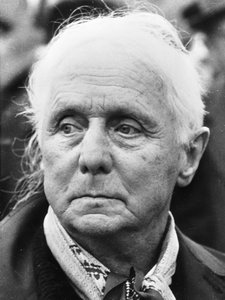
马克·恩斯特
1891 - 1976 , 德国
艺术家简介
- Artistic Movement Or Style: 达达主义, 超现实主义
- Artists Or Movements Influenced By This Artist:
- 超现实主义
- 达达
- Artists Who Influenced This Artist:
- 毕加索
- 梵高
- 高更
- 德·奇里科
- Date Of Birth: 1891年4月2日
- Date Of Death: 1976年4月1日
- Full Name: 马克·恩斯特
- Nationality: 德裔美国籍,法籍
- Notable Artworks:
- 《葬礼祭品》
- 《含蓄的女人》
- 《壁炉的天使》
- Place Of Birth: 布吕尔,德国
相关文章

Decoding Dalí: The Paranoiac-Critical Method and Surrealist Symbols Explained
Master the complexities of Salvador Dalí's work. Explore the Paranoiac-Critical Method, decode iconic Surrealist symbols, and understand the psychological depth behind his technical brilliance in this expert art history guide designed for students and collectors.


