效果预览
效果预览
 购买手绘画作
 分享
分享 分享
分享
 详情
详情

 下载
下载
 相似作品
相似作品 X射线
X射线 幻灯片播放
幻灯片播放Sphères d'innocence


 展开详情
展开详情




P118B $10

P118H $10

P118W $10

P438Z $10

P508JH $12

P508YH $12

P805H $10

P805Z $10

P919BZ $10

P919G $10

P919XJ $10

P959ZH $10

P968JZ $12

W106C $8

W218G $10

W218JH $8

W218Y $10

W307PJ $10

W316G $10

W316PJ $8

W316Y $10

W398PJ $8

W4111J $10

W500HY $15

W500JH $15

W692G $12

W849H $8

W940BG $15

W953PJ $8




从与原作比例一致的预设尺寸中进行选择。

您可以输入自定义尺寸,以适配特定的画框或空间。如果您选择的尺寸与原图比例不符,我们将对作品进行裁剪,或通过镜像填充/纯色填充边缘的方式来扩展图像。在开始制作之前,我们会向您发送一份数字效果图供您确认。
请注意,屏幕上的预览并不能反映实际的裁剪或扩展效果。只有效果图才能准确展示最终的构图。
虽然我们提供定制尺寸,但为了保持原图比例,我们建议您从预设列表中选择尺寸。


 玻璃选项仅适用于110厘米以下的尺寸。

Sphères d'innocence
艺术微喷/版画
复制品尺寸
-


最终总价
$ 64
藏品详情
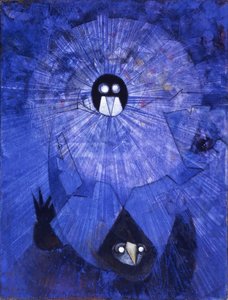
Sphères d’innocence: A Dadaist Dreamscape
Max Ernst's "Sphères d’innocence" isn’t merely a painting; it’s an invitation into a fractured, dreamlike world—a quintessential expression of the Dada and Surrealist movements that shook the foundations of 20th-century art. Completed in 1924, this oil on canvas presents a deliberately unsettling yet profoundly captivating composition, immediately arresting the viewer with its vibrant red backdrop and the enigmatic central figure: a robot-like automaton gazing intently into an unseen distance.
The painting’s genesis lies within the turbulent intellectual climate of post-World War I Europe. Dadaism, born out of disillusionment and a rejection of traditional artistic values, sought to dismantle established norms through radical experimentation. Ernst, deeply involved in this movement, channeled his anxieties about technology, societal control, and the loss of innocence into works like “Sphères d’innocence.” The robot figure isn't simply a mechanical construct; it embodies a complex relationship between humanity and increasingly powerful machines – a theme that resonated powerfully during an era rapidly embracing industrialization.
Composition and Technique: A Deliberate Disruption
Ernst masterfully employs a limited color palette—primarily red, punctuated by the stark contrast of black and white figures—to heighten the painting’s emotional impact. The composition is deliberately unbalanced, creating a sense of unease and instability. The large robot dominates the foreground, its two eyes drawing the viewer's attention as if searching for something just beyond the canvas. Smaller, almost ghostly figures populate the background, adding layers of mystery and suggesting a forgotten past or an unrealized future.
Technically, Ernst utilized techniques honed during his early experimentation with collage and frottage (rubbing). The smooth, slightly blurred quality of the robot’s form hints at this process, lending it a dreamlike, almost ephemeral appearance. The background elements are rendered with a looser brushstroke, further contributing to the painting's overall sense of disorientation. He deliberately avoided sharp lines and precise details, favoring instead an atmosphere of ambiguity and suggestion.
Symbolism: Birds, Robots, and the Loss of Innocence
“Sphères d’innocence” is rich in symbolic imagery. The bird perched near the top right corner—a frequent motif in Ernst's work—represents freedom, hope, and a yearning for escape. Its presence offers a fragile counterpoint to the more ominous elements of the composition. The robot itself can be interpreted as a symbol of technological advancement, but also as a representation of humanity’s potential for self-destruction or alienation.
The arrangement of the figures—the central robot and the smaller ones in the background—suggests a hierarchical structure, perhaps representing power dynamics or the struggle between control and liberation. Some art historians believe the painting reflects Ernst's own anxieties about the rise of totalitarianism and the suppression of individual expression. The title itself, "Sphères d’innocence," evokes a sense of lost purity and vulnerability—a poignant reminder of the fragility of human experience.
A Timeless Masterpiece: Reproduction & Beyond
Max Ernst's “Sphères d’innocence” remains a profoundly influential work, continuing to fascinate viewers with its unsettling beauty and complex symbolism. AllPaintingsStore offers meticulously crafted hand-painted reproductions that capture the essence of this iconic painting, allowing you to experience its power and mystery firsthand. Whether displayed in a contemporary art space or incorporated into your home décor, this reproduction serves as a powerful reminder of the enduring legacy of Dadaism and Surrealism—and Max Ernst’s unparalleled vision.
To explore more works by Max Ernst and delve deeper into the world of Dadaism, visit our artists database or discover related artworks on our artwork page.
相似艺术品


艺术家简介
马克斯·恩斯特:超现实主义的先驱与创新
马克斯·恩斯特(Max Ernst,1891-1976),原名马克西米利安·玛丽亚·恩斯特,出生于德国布吕尔,是20世纪最具影响力的艺术家之一。他的艺术生涯并非循规蹈矩的学院派训练,而是一场自我驱动的探索之旅,这场旅程深受哲学思辨、心理学兴趣以及对社会规范深刻幻灭的影响。恩斯特的父亲是一位聋哑学校教师兼业余画家,他不仅在恩斯特心中播下了对世界的敏感性,也激发了他对既定权威的反叛精神。这种早期的二元性成为了他艺术愿景中一个重要的特征。
恩斯特在波鸿大学的学习经历——涵盖哲学、艺术史、文学、心理学和精神病学——并非简单的消遣,而是深刻地影响了他的后世作品。他不仅仅关心“如何”绘画,更关切“为何”。这种求知欲促使他在1912年的科隆森德布尔德展览上接触到毕加索、梵高和高更的开创性作品,这一刻彻底改变了他艺术的轨迹。现代主义的种子已经播下。
从达达主义的颠覆到超现实主义的启示
一战的爆发成为了恩斯特生命中的一个转折点。他在东西线战场上的经历令他深受震动,对既定秩序产生了深刻的怀疑,并渴望新的表达方式。这种幻灭感在蓬勃发展的达达运动中找到了肥沃的土壤。1918年返回科隆后,恩斯特欣然投入其中。与终生的好友兼合作者汉斯·阿普一起,他成为了科隆达达主义团体的核心人物,拒绝了传统的艺术惯例,拥抱荒诞、偶然性和非理性。
然而,达达主义仅仅是他前进的垫脚石。在20世纪20年代初,恩斯特移居巴黎,并加入了以安德烈·布雷东为首的超现实主义阵营。这标志着他转向探索梦境领域、潜意识和非理性。受到西格蒙德·弗洛伊德的精神分析理论的影响,恩斯特试图通过他的艺术揭示人类经验中隐藏的深度。他并非致力于描绘事物如其所见,而是致力于揭示塑造它的潜在心理力量。
创新技法:摩擦画、刮擦画与拼贴
恩斯特的艺术创新不仅体现在主题上,还在于他对技巧的不懈探索。他不仅仅采用现有的方法——他发明了新的方法。也许他最著名的贡献是摩擦画(frottage),这是一种将铅笔或炭笔擦过纹理表面的过程,以创造出意想不到的和富有表现力的图像。这种技术诞生于观察木纹时的无聊时刻,使恩斯特能够进入潜意识并产生违背有意识控制的形式。紧密相关的还有刮擦画(grattage),即在画布上刮擦油漆,从而揭示其下方的图层。
他还巧妙地运用拼贴(collage),将不同的元素——杂志图像、科学插图、照片——组装成超现实的构图,挑战了对表征的传统观念。这些技术并非简单的风格选择;它们是探索潜意识和扰乱传统艺术边界的组成部分。他的画作经常出现重复的象征性意象:鸟类(尤其是他的化身洛普洛普)、荒凉的景观、令人不安的并置以及一种普遍的神秘感。
创新遗产与影响
二战爆发迫使恩斯特逃离欧洲,在美利坚合众国找到了庇护。他在流亡期间继续绘画和尝试新的技术,最终在战争结束后返回法国,并在那里保持活跃直到1976年4月1日在巴黎去世。他为后世艺术家带来的影响是不可估量的。
恩斯特对达达主义和超现实主义的贡献非同寻常。他挑战了艺术规范,深入探索了潜意识的深渊,并发明了继续激励着当代艺术家的创新技术。他不仅仅是一位画家;他是一位探险家、一位挑衅者和一位远见卓识的艺术家,拓展了艺术本身的边界。他的作品仍然是对想象力的证明,对非理性的吸引力以及理解人类心灵复杂性的持久追求。
- 主要作品:《整个城市》、《欧克利德斯》、《关于此人将不得而知》、《森林与鸽子》
- 影响:毕加索、梵高、高更、弗洛伊德、乔治·德·基里科
- 运动:达达主义,超现实主义

马克·恩斯特
1891 - 1976 , 德国
艺术家简介
- Artistic Movement Or Style: 达达主义, 超现实主义
- Artists Or Movements Influenced By This Artist:
- 超现实主义
- 达达
- Artists Who Influenced This Artist:
- 毕加索
- 梵高
- 高更
- 德·奇里科
- Date Of Birth: 1891年4月2日
- Date Of Death: 1976年4月1日
- Full Name: 马克·恩斯特
- Nationality: 德裔美国籍,法籍
- Notable Artworks:
- 《葬礼祭品》
- 《含蓄的女人》
- 《壁炉的天使》
- Place Of Birth: 布吕尔,德国
相关文章
马克斯·恩斯特:25幅大师级作品,探索超现实主义的视觉盛宴 | AllPaintingsStore
探索马克斯·恩斯特25幅大师级作品,领略超现实主义的奇幻魅力!深入了解达达主义先驱的艺术生涯、创新技法与梦境般的视觉世界。AllPaintingsStore.com提供高品质艺术复制品,为您的家居装饰增添永恒之美。立即在线探索完整系列!

Crimson Threads of Narrative: Exploring Symbolism & Representation in Artworks Featuring the Red Dress
Explore the rich symbolism of the red dress in art history! From ancient power displays to iconic portraits like Cézanne’s 'Madame Cezanne', discover the cultural and artistic significance behind this captivating color. Expert analysis & insights.

Feathered Visions: A Historical & Artistic Exploration of Birds in Painting
Explore the rich history of birds in painting! Discover symbolism, artistic movements & master artists like Audubon. High-quality reproductions available at AllPaintingsStore.

Dreamscapes & Disrupted Realities: Exploring Surrealism's Enduring Influence
Explore the fascinating world of Surrealism! Discover its origins, key artists like Dalí & Magritte, and enduring influence on art & culture. Expert insights & high-quality reproductions at AllPaintingsStore.

浮世奇想:十幅定义超现实主义的艺术杰作
探索超现实主义的十幅艺术瑰宝!从达利到马格里特,重温这些定义了梦境与想象力的杰作。深入了解艺术家故事、创作技法,感受色彩与情感的力量。AllPaintingsStore.com为您提供博物馆品质画作复制及精选家居装饰方案。尽在AllPaintingsStore.com!