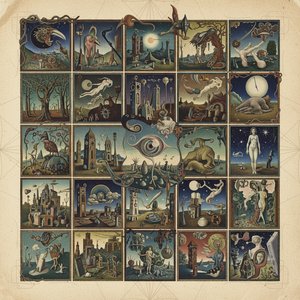
Oil On Canvas.

§ 1目录数据


 了解更多
了解更多§ 2摘要
藏品详情
A colossal red vase with a human face dominates this surrealist masterpiece by Max Ernst, capturing the unsettling spirit of Dadaism through dreamlike textures that invite you to explore his visionary world.
艺术家简介
德国超现实主义大师马克·恩斯特 (1891-1976),达达与超现实主义先驱。探索其创新摩擦画、拼贴艺术及梦幻般的绘画,作品充满鸟类、风景和心理主题,深刻影响了20世纪的艺术发展。
§ 3赏析
A Surrealist Vision of Authority
In the landscape of early twentieth-century modernism, few works possess the unsettling magnetism of Max Ernst’s "Ubu Imperator." Painted in 1923, this masterpiece serves as a profound bridge between the chaotic, anti-establishment energy of Dadaism and the dream-logic explorations of Surrealism. To gaze upon this canvas is to enter a realm where the boundaries between the organic and the inorganic dissolve, leaving the viewer suspended in a state of psychological wonder. The painting does not merely depict a scene; it orchestrates an encounter with the subconscious, inviting collectors and enthusiasts alike to contemplate the fragile architecture of power and the strange beauty found within the grotesque.
The composition is anchored by a central, arresting figure: a colossal red vase or jug that possesses a startlingly anthropomorphic quality. This vessel, rendered in deep, visceral tones, appears to possess its own agency, walking upon two legs as if traversing a desolate, primordial plain. Its surface bears a face that stares back with an inscrutable expression, embodying Ernst’s fascination with the fusion of human identity and inanimate objects. As the eye wanders across the textured terrain of sand and dirt, it encounters several birds scattered throughout the scene—ethereal witnesses to this surreal procession. The presence of these avian figures, often a recurring motif in Ernst's oeuvre, introduces a sense of vulnerability and disorientation, heightening the painting's dreamlike atmosphere.
Technique and the Alchemy of Texture
For those who appreciate the tactile mastery behind fine art, "Ubu Imperator" offers a masterclass in experimental technique. Ernst was a pioneer of grattage, a method in which layers of wet paint are scraped away with tools to reveal the hidden textures and colors beneath. This process imbues the canvas with a physical depth that mimics the weathered surfaces of ancient artifacts or the scarred earth of a battlefield. The result is a painting that feels less like a flat image and more like a recovered relic from a forgotten dimension.
The artist’s approach seamlessly blends the fragmented geometry of Cubism with the raw, emotional intensity of Expressionism. By layering textures and utilizing a collage-like sensibility, Ernst creates a visual friction that keeps the viewer's eye in constant motion. This meticulous application of oil on canvas ensures that every brushstroke contributes to the overall sense of unease and awe. For an interior designer seeking a statement piece, this work provides a sophisticated layer of complexity, offering a rich, textural focal point that commands attention through its sheer material presence.
Historical Resonance and Emotional Depth
To understand "Ubu Imperator," one must consider the turbulent era from which it emerged. Born from the disillusionment following the horrors of World War I, Ernst’s work reflects a profound rejection of the rationalism that many felt had led humanity to catastrophe. The painting draws inspiration from the satirical spirit of Alfred Jarry’s theatrical work Ubu Roi, using absurdity as a weapon against the perceived hypocrisy of societal authority. The red vase, acting as an "imperator" or emperor, becomes a potent symbol of both monumental power and inevitable decay.
Ultimately, the emotional impact of this piece lies in its ability to evoke the profound anxieties and fascinations of the human psyche. It is a work that speaks to the tension between stability and chaos, the known and the unknowable. Owning a high-quality reproduction of such a seminal work allows one to bring a piece of art history's most provocative era into a contemporary space. It serves as a constant invitation to look beneath the surface of reality, making it an incomparable choice for those who seek art that is not only decorative but deeply intellectually and emotionally stimulating.
常见问题与解答
哪种空间能与 马克·恩斯特 的《Ubu Imperator》 的色彩相得益彰?
凭借其Dark的色调,马克·恩斯特 的《Ubu Imperator》非常适合布置在Living Room中。其色彩搭配正是这一推荐的核心原因。
"Ubu Imperator" 的色彩呈现出浓郁还是柔和的视觉感?
“Ubu Imperator”的色彩强度为Vivid。强度描述了色彩呈现的浓郁程度。
马克·恩斯特 的《Ubu Imperator》 使用了怎样的色调?
马克·恩斯特 的《Ubu Imperator》 采用了 Dark 色调,这一色调概括了作品整体的色彩特征。

 切换至版画销售渠道


 对于任何边长超过 105 厘米(约 41 英寸)的艺术品或复制品,画框将以拆解后的组件形式发货。此方法可确保安全送达并防止运输过程中的损坏。