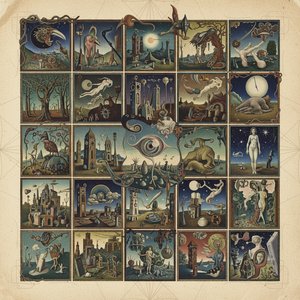
Acrylic On Canvas.

§ 1Catalogue data


 了解更多
了解更多§ 2Abstract
藏品详情
Surrealist masterpiece by Max Ernst featuring a striking elephant with a pipe trunk and airplanes, embodying the artist’s intellectual exploration of the subconscious. Discover this iconic work and bring its imaginative atmosphere into your space.
艺术家简介
德国超现实主义大师马克·恩斯特 (1891-1976),达达与超现实主义先驱。探索其创新摩擦画、拼贴艺术及梦幻般的绘画,作品充满鸟类、风景和心理主题,深刻影响了20世纪的艺术发展。
§ 3Commentary
Unveiling the Dreamscape: Max Ernst's "Untitled (4116)"
Max Ernst’s “Untitled (4116)” is not merely a painting; it’s an immersion into the subconscious, a meticulously crafted descent into the surreal logic of dreams. Executed by one of the 20th century’s most influential figures in Surrealism, this artwork embodies Ernst's lifelong fascination with psychological exploration and his deliberate rejection of conventional artistic constraints. The image immediately confronts the viewer with a startling juxtaposition: a colossal elephant, rendered with Ernst’s signature meticulous technique – likely utilizing techniques such as frottage or grattage – becomes an instrument of industrial intrusion, its trunk transformed into a pipe, a conduit for unseen forces. This central motif speaks to anxieties surrounding technological advancement and humanity's relationship with the natural world, themes prevalent in Ernst’s oeuvre.
A Symphony of Disruption: Style and Technique
- Surrealist Vision: The painting is a quintessential example of Surrealism, prioritizing emotional impact and symbolic resonance over representational accuracy. Ernst sought to unlock the power of the unconscious mind, believing that art should bypass rational thought and tap into primal instincts.
- Technical Mastery: Despite its dreamlike quality, “Untitled (4116)” demonstrates Ernst’s exceptional technical skill. The precise rendering of the elephant's form, combined with the chaotic arrangement of airplanes and the subtle details of the cloth held in its mouth, reveals a deliberate and controlled hand.
- Ernst’s Processes: It is highly probable that Ernst employed techniques such as frottage (rubbing textured surfaces) or grattage (scraping paint from a canvas) to achieve the layered, almost tactile quality of the work. These methods were central to his exploration of chance and automatism – allowing subconscious impulses to guide the creative process.
Decoding the Symbolism: A Landscape of Anxiety
The composition of “Untitled (4116)” is rich with symbolic potential. The elephant, a recurring motif in Ernst’s work, often represents primal instincts and the burden of history. Its transformed trunk – a pipe – suggests a disruption of natural order, perhaps symbolizing the encroachment of industry upon the wilderness. The scattered airplanes evoke a sense of displacement and alienation, reflecting anxieties about modernity and the loss of connection to nature. The lone figure in the lower right corner adds another layer of mystery, possibly representing humanity’s vulnerability within this unsettling landscape. Even the birds, positioned at opposite ends of the composition, could be interpreted as symbols of freedom or perhaps as harbingers of impending doom.
Historical Context and Ernst's Legacy
Created in the aftermath of World War I, “Untitled (4116)” reflects the widespread disillusionment and psychological trauma that characterized the early 20th century. Surrealism emerged as a direct response to these anxieties, offering an alternative mode of expression that embraced irrationality and challenged conventional notions of reality. Max Ernst’s work, alongside that of artists like Dalí and Magritte, profoundly influenced subsequent generations of artists and continues to resonate with audiences today. His exploration of the subconscious, his innovative techniques, and his unwavering commitment to artistic freedom cemented his place as a pivotal figure in the history of modern art. This piece stands as a testament to his enduring vision – a powerful reminder that the most profound truths often lie hidden within the depths of our dreams.
常见问题与解答
马克·恩斯特 的《untitled (4116)》 的图像可以自由转载吗?
马克·恩斯特 的《untitled (4116)》 的版权说明:该作品属于 仍受版权保护。这决定了是否可以自由进行图像复制。
“untitled (4116)”是如何体现 马克·恩斯特 的创作主题与艺术风格的?
"untitled (4116)" 是 马克·恩斯特 Surrealist Movement 时期的代表作,其创作主题涵盖了 surrealist exploration, psychological themes, disillusionment, societal critique, max ernst’s inventive spirit, recurring dreamlike imagery”, “complex symbolic narratives。
是否有关于 马克·恩斯特 的《untitled (4116)》 的导览页?
马克·恩斯特 的《untitled (4116)》 的 指南 页面提供了一份可打印的两页式学生资料单:包含作品及其基本信息表、将其置于艺术家生平中的年代轴、艺术家的其他作品、经测量的色板,以及四种格式的即用型引用文献。


 切换至版画销售渠道


 对于任何边长超过 105 厘米(约 41 英寸)的艺术品或复制品,画框将以拆解后的组件形式发货。此方法可确保安全送达并防止运输过程中的损坏。