

- 首页

- 帆布打印
- mihaly kovacs
- Picking Apples

 定制手绘复刻品
 分享
分享 分享
分享
 详情
详情

 下载
下载
 相似作品
相似作品 X射线
X射线 幻灯片播放
幻灯片播放Picking Apples
 展开详情
展开详情
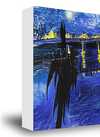
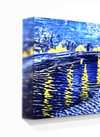
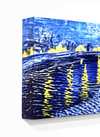

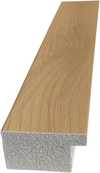

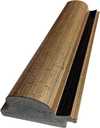

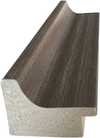
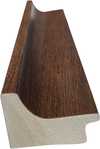
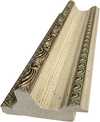
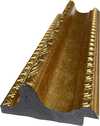
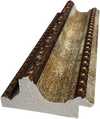
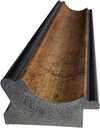
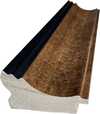




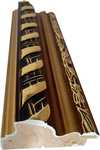

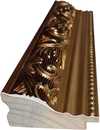
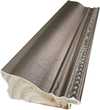






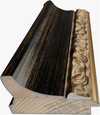
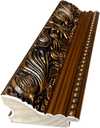
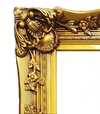
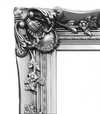
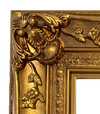
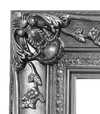
从与原作比例一致的预设尺寸中进行选择。

您可以输入自定义尺寸,以适配特定的画框或空间。如果您选择的尺寸与原图比例不符,我们将对作品进行裁剪,或通过镜像填充/纯色填充边缘的方式来扩展图像。在开始制作之前,我们会向您发送一份数字效果图供您确认。
请注意,屏幕上的预览并不能反映实际的裁剪或扩展效果。只有效果图才能准确展示最终的构图。
虽然我们提供定制尺寸,但为了保持原图比例,我们建议您从预设列表中选择尺寸。


 玻璃选项仅适用于110厘米以下的尺寸。

Picking Apples
艺术微喷/版画
复制品尺寸
-


最终总价
-
相似艺术品


艺术家简介
Mihály Kovács: A Hungarian Vision of Rural Beauty
Mihály Kovács (1818 – 1892) stands as a pivotal figure in Hungarian landscape painting, embodying the Romantic spirit’s fascination with nature and its yearning for idealized visions of rural life. Born in Abașdău, Hungary—then part of Austro-Hungarian Empire—Kovács's artistic journey unfolded against the backdrop of significant social and cultural transformations shaping 19th-century Europe. His legacy resides not merely in his paintings but also in his role as a teacher and mentor who nurtured generations of Hungarian artists.Early Life and Artistic Training
Little is known about Kovács’s formative years beyond confirming his birthplace and family background. However, he received an exceptional artistic education at the Budapest Academy of Fine Arts, where he studied under János Kollaritsch and József Mór Richter—luminaries of Hungarian Romanticism. These influential mentors instilled in him a profound appreciation for classical principles blended with expressive brushwork, shaping his distinctive style. The Academy’s curriculum emphasized meticulous observation of nature alongside rigorous anatomical studies, equipping Kovács with the technical skills necessary to translate visual impressions into compelling artworks.The Romantic Landscape Tradition
Kovács's artistic sensibilities aligned perfectly with the prevailing Romantic landscape tradition, which prioritized emotion and imagination over precise representation. Like many Hungarian artists of his era, he sought inspiration in the dramatic vistas of Hungary’s Carpathian Mountains and fertile plains—regions imbued with spiritual significance for the Hungarian people. His canvases depict scenes of pastoral tranquility interspersed with elements of sublime grandeur, capturing fleeting moments of beauty amidst the forces of nature. Recurring motifs include golden sunsets, misty valleys, and solitary figures contemplating the majesty of the landscape—themes that resonate deeply with Romantic ideals.Notable Works and Artistic Style
Kovács’s oeuvre comprises approximately 300 paintings, predominantly landscapes executed in oil on canvas. Among his most celebrated works are “The Carpathian Mountains,” “Harvest Scene,” “Evening Landscape,” and “Hungarian Village.” These paintings exemplify Kovács's masterful technique—characterized by smooth brushstrokes, subtle tonal gradations, and a remarkable ability to convey atmospheric depth. He meticulously rendered textures – from the rough bark of trees to the glistening dew on grasses – achieving an unparalleled level of realism while simultaneously imbuing his compositions with emotional resonance. His palette favored muted earthy tones complemented by splashes of vibrant color—particularly gold—creating luminous effects that heighten the visual impact of his scenes.Influence and Legacy
Mihály Kovács exerted considerable influence on subsequent Hungarian painters, establishing himself as a revered pedagogue at the Budapest Academy of Fine Arts. He championed a humanist approach to art education, emphasizing observation, experimentation, and personal expression—values that continue to inform artistic training today. His students included prominent figures such as János Kollaritsch Jr., László Menyecz, and István Szatmári, who carried forward Kovács’s stylistic innovations and broadened the scope of Hungarian landscape painting. Kovács's paintings are housed in numerous museums across Hungary, including the Móra Ferenc Museum in Szeged—where “The Carpathian Mountains” resides—solidifying his place as one of Hungary’s foremost artists. His enduring contribution to Hungarian art lies not only in his artistic achievements but also in his role as a formative influence on generations of Hungarian painters who embraced Romantic ideals and celebrated the beauty of the Hungarian countryside. He remains an emblem of Hungarian artistic heritage, reminding us of the power of observation, emotion, and skillful technique to capture the essence of human experience within the grandeur of nature.
mihaly kovacs
1818 - 1892 , Hungary
艺术家简介
- Artistic Movement Or Style: Realism
- Artists Or Movements Influenced By This Artist: ['Hudson River School']
- Artists Who Influenced This Artist: ['Jean-Baptiste Camille Corot']
- Date Of Birth: 1818
- Full Name: Mihály Kovács
- Nationality: Hungarian
- Notable Artworks: ['Falling Stars Painting']
- Place Of Birth: Abádszallók, Hungary



