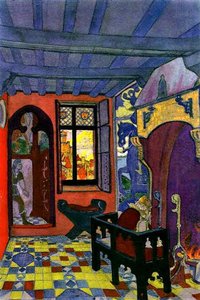
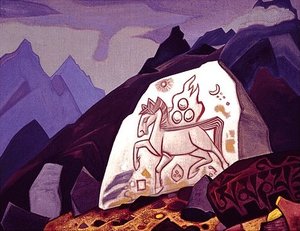
效果预览
效果预览
 购买手绘画作
 分享
分享 分享
分享
 详情
详情

 下载
下载
 相似作品
相似作品 X射线
X射线 幻灯片播放
幻灯片播放Guard

 展开详情
展开详情




P118B $10

P118H $10

P118W $10

P438Z $10

P508JH $12

P508YH $12

P805H $10

P805Z $10

P919BZ $10

P919G $10

P919XJ $10

P959ZH $10

P968JZ $12

W106C $8

W218G $10

W218JH $8

W218Y $10

W307PJ $10

W316G $10

W316PJ $8

W316Y $10

W398PJ $8

W4111J $10

W500HY $15

W500JH $15

W692G $12

W849H $8

W940BG $15

W953PJ $8




从与原作比例一致的预设尺寸中进行选择。

您可以输入自定义尺寸,以适配特定的画框或空间。如果您选择的尺寸与原图比例不符,我们将对作品进行裁剪,或通过镜像填充/纯色填充边缘的方式来扩展图像。在开始制作之前,我们会向您发送一份数字效果图供您确认。
请注意,屏幕上的预览并不能反映实际的裁剪或扩展效果。只有效果图才能准确展示最终的构图。
虽然我们提供定制尺寸,但为了保持原图比例,我们建议您从预设列表中选择尺寸。


 玻璃选项仅适用于110厘米以下的尺寸。

Guard
艺术微喷/版画
复制品尺寸
-


最终总价
$ 64
藏品详情
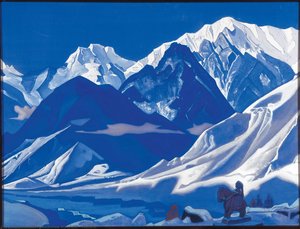
The Majesty of the Fortress: An Exploration of Nicholas Roerich’s “Guard”
Nicholas Roerich's "Guard" (Стражи снега), painted in 1922, isn’t merely a depiction of a medieval fortress; it’s a profound meditation on duty, vigilance, and the enduring spirit of defense against an unseen darkness. This monumental canvas, rendered in Roerich’s signature style – characterized by muted colors, simplified forms, and a palpable sense of atmosphere – transports the viewer to a realm where history, myth, and spirituality converge. The painting immediately commands attention with its imposing scale and the sheer weight of the fortress itself, dominating the composition and anchoring the eye.
Roerich’s artistic journey had been shaped by his early exposure to Russian Symbolism, a movement that sought to express spiritual truths through evocative imagery. Influenced by figures like Mikhail Vrubel and inspired by medieval iconography, Roerich developed a unique visual language—one that prioritized mood and symbolism over strict realism. “Guard” exemplifies this approach perfectly; the fortress isn’t presented as a photographic representation but rather as a symbolic embodiment of strength and resilience.
A Symphony of Cool Tones and Angular Lines
The painting's palette is dominated by cool, earthy tones—grays, browns, blues, and whites—creating an atmosphere of solemnity and quiet contemplation. These muted colors are skillfully layered to suggest texture and depth, particularly in the rough-hewn stone of the fortress walls. The artist’s use of angular lines – sharply defined against the softer curves of the landscape – reinforces the fortress's imposing presence and conveys a sense of unwavering resolve. Notice how the diagonals of the wall create a powerful vertical thrust, drawing the eye upwards and emphasizing the structure’s height and stability.
Roerich’s technique is notable for its deliberate flatness. He eschewed traditional perspective in favor of a more symbolic approach, flattening the space to heighten the sense of timelessness and universality. The figures of the knights are rendered with simplified forms, their armor gleaming subtly against the muted background. The snow-covered ground provides a stark contrast to the fortress’s solidity, adding another layer of visual interest and reinforcing the painting's themes of protection and endurance.
Symbolism Woven into Stone and Snow
Beyond its formal qualities, “Guard” is rich in symbolism. The fortress itself represents security, stability, and the defense against chaos – a concept central to Roerich’s philosophy. The knights, clad in their armor, embody duty, vigilance, and the willingness to sacrifice for a greater cause. Their placement within the foreground suggests that they are not merely guardians of the fortress but also protectors of something far more profound—perhaps humanity itself. The snow-covered landscape, often associated with isolation and hardship, could symbolize the challenges and obstacles faced by those who uphold these values.
Roerich’s personal beliefs – rooted in Theosophy and a fascination with Eastern mysticism – deeply informed his work. The painting can be interpreted as an allegory for the human soul's struggle against inner darkness, with the fortress representing the mind and the knights embodying the forces of reason and will. The overall effect is one of quiet strength and unwavering resolve—a testament to the enduring power of tradition and the importance of safeguarding our values.
A Legacy in Reproduction
Today, Nicholas Roerich’s “Guard” continues to captivate viewers with its evocative imagery and profound symbolism. High-quality reproductions offer a remarkable opportunity to experience this masterpiece firsthand, bringing its timeless message into any space. Whether adorning a grand salon or a smaller study, "Guard" serves as a powerful reminder of the enduring values of duty, vigilance, and the unwavering spirit of defense—a legacy that resonates deeply with art lovers and collectors alike.
相似艺术品




艺术家简介
尼古拉·罗斯里希:艺术、考古与精神的交汇
尼古拉·罗斯里希(Nikolai Konstantinovich Rerikh,1874-1947),一位俄罗斯艺术家、作家、考古学家和哲学家,其一生充满了对艺术、科学和灵性的不懈追求。他出生于圣彼得堡一个受过良好教育的家庭,从小就展现出对绘画、历史和东方文化的浓厚兴趣。罗斯里希并非仅仅是一位画家,更是一位文化守护者,一位探索人类精神奥秘的旅人,他的作品和思想深刻地影响了20世纪的艺术和文化发展。他早年的经历塑造了他多才多艺的天赋,法律学习为他提供了理性思考的基础,而对艺术的热爱则引领他走向了充满创造力的道路。俄罗斯象征主义与芭蕾舞剧的设计
罗斯里希的艺术生涯始于俄罗斯象征主义运动蓬勃发展的时期,这一运动强调通过富有暗示性的图像和符号来表达情感和精神深度。他积极参与了谢尔盖·季雅加列夫(Sergei Diaghilev)极具影响力的“世界艺术”学会,并最终担任其主席。这段经历为他打开了一扇通往创新艺术家、作曲家和思想家的世界的大门。罗斯里希与季雅加列夫的合作,尤其是在芭蕾舞剧的设计方面,成为了他职业生涯中的重要里程碑。他为亚历山大·波罗丁(Alexander Borodin)的《伊戈尔王子》(1909)以及伊戈尔·斯特拉文斯基(Igor Stravinsky)革命性的《春之祭》(1913)等作品设计了舞台布景,这些设计不仅仅是背景装饰,更是戏剧体验不可分割的一部分。他将细致的历史研究与大胆的想象力相结合,创造出令人惊叹的视觉环境,极大地增强了音乐和舞蹈的情感力量。罗斯里希的设计常常融入神秘主义元素,反映了象征主义对神话和灵性的关注。他对古代文献和异教文本的研究也为他的艺术创作增添了丰富的文化内涵。通往神秘主义与喜马拉雅的旅程
随着罗斯里希事业的发展,他的绘画逐渐转向更加神秘和精神的主题。这与他对什一律学会(Theosophy)以及东方宗教日益增长的兴趣有关,这些哲学强调万物互联以及追求内在智慧的重要性。他创作的《建筑研究》系列(1904-1905)不仅展示了他的建筑技巧,也体现了他对保护文化遗产的坚定承诺。在他的作品中,经常出现雄伟的景观、笼罩在神秘面纱中的古城以及充满精神意义的人物形象,如圣潘太列蒙和观音菩萨。尤其值得一提的是,喜马拉雅山脉成为了他绘画中的一个核心主题,它代表着不仅是地理位置,更是一种深刻的精神力量和启迪的象征。他进行了广泛的中亚考察,从事考古研究并记录古代文化,这些经历深深地影响了他的艺术视野,并强化了他对文化理解的重要性。遗产:文化保护与持久的影响
尼古拉·罗斯里希不仅是一位画家,更是一位坚定的文化守护者。他积极倡导在战争时期保护艺术和建筑,认识到文化珍宝的脆弱性,他主导了1935年《罗斯里希公约》的制定——一项旨在保护文化财产免遭破坏的国际条约。这项举措使他多次获得诺贝尔和平奖提名,突显了他深刻的人道主义精神。他的不懈努力表明,保护文化遗产不仅对于理解过去至关重要,而且对于建设一个更加和平的未来也至关重要。如今,罗斯里希的作品在世界各地的著名博物馆中展出,包括纽约的尼古拉·罗斯里希博物馆。他对俄罗斯艺术和文化的贡献是不可估量的。他弥合了艺术表达与精神探索之间的鸿沟,以其富有远见的方式影响了一代又一代的艺术家和思想家。他被铭记不仅是一位画家,更是一位学者、一位人道主义者,以及文化保护的灯塔。主要作品
- 圣尼古拉: 一幅详细的一色画作,展示了中世纪艺术和纹章符号。
- 城市: 描绘古代城市景观的引人入胜的景象,反映了他对考古学的兴趣。
- 纳加湖: 将象征主义与自然融为一体的素描画,体现了他的独特艺术视野。

尼古拉·罗斯里赫
1874 - 1947 , 俄罗斯
艺术家简介
- Artistic Movement Or Style: 象征主义,精神艺术
- Artists Or Movements Influenced By This Artist: ['俄罗斯象征主义']
- Artists Who Influenced This Artist: ['谢尔盖·季亚吉列夫']
- Date Of Birth: 1874年10月9日
- Date Of Death: 1947年12月13日
- Full Name: 尼古拉·康斯坦丁诺维奇·罗埃里希
- Nationality: 俄罗斯
- Notable Artworks:
- 圣尼古拉斯
- 城市
- 纳加湖
- Place Of Birth: 圣彼得堡, 俄罗斯
相关文章

Nicholas Roerich: Mysticism, Mountains & the Search for Ageless Wisdom in Art
Explore the captivating art of Nicholas Roerich – a visionary painter whose Himalayan landscapes blend spiritual mysticism with cultural preservation. Discover his legacy & symbolism.
Ivan Bilibin: A Synthesis of Folklore, Modernism & National Identity in Russian Illustration
Explore the enchanting world of Ivan Bilibin, a master Russian illustrator who synthesized folklore, Art Nouveau & national identity. Discover his iconic fairy tale illustrations and legacy with AllPaintingsStore.

High Medieval Art: 10 Masterpieces That Shaped an Era | AllPaintingsStore
Journey through High Medieval Art! Explore 10 iconic masterpieces – from Giotto's frescoes to stunning Gothic cathedrals. Discover the stories behind these timeless paintings, sculptures & illuminated manuscripts. Find museum-quality art reproductions at AllPaintingsStore.com.

Victor Vasnetsov: Myth, Nationalism & the Revival of Russian Fairy Tale Painting
Explore the captivating world of Victor Vasnetsov, a co-founder of Russian folklorist painting. Discover his iconic works, influence on national identity, and lasting legacy in this expert guide.

Timeless Knights & Legends: A Cultural Journey Through the Majesty of Medieval Art
Explore the profound beauty of medieval art through the lens of history. Discover the symbolism of knights, the divine frescoes of Giotto, and how legendary masterpieces continue to inspire modern collectors and lovers of chivalric heritage.