1931. Acrylic.

§ 1Catalogue data


§ 2Abstract
藏品详情
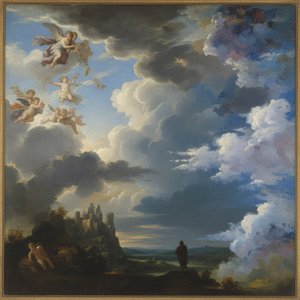
Nicholas Roerich’s ethereal River Chandra captures majestic mountains bathed in crimson hues beneath swirling white clouds—a stunning testament to the artist's Symbolist style and 1931 vision. Explore this captivating landscape reproduction and bring its timeless beauty into your home.
 展开全文
展开全文
艺术家简介
俄罗斯艺术家尼古拉·罗斯里希 (1874-1947),以象征主义绘画、喜马拉雅山风景和神秘画作著称。为芭蕾舞团设计服装,并倡导文化保护。探索其艺术遗产,感受精神与自然的和谐之美。
§ 3Commentary
A Visionary Landscape: Exploring Nicholas Roerich’s “River Chandra”
- Subject Matter: This breathtaking landscape depicts the majestic Himalayas, rendered with an unparalleled sensitivity to light and atmosphere. The painting captures a serene vista of towering mountains enveloped in swirling clouds—specifically, two prominent white formations dominating the upper reaches of the composition.
- Style: Roereich’s artistic style is firmly rooted in Symbolism and Transcendental Impressionism. He eschewed purely representational depiction, opting instead to convey spiritual ideas and emotions through color and form. The painting embodies a profound connection between nature and the divine—a hallmark of his distinctive approach.
- Technique: Roereich employed a masterful glazing technique, layering thin washes of pigment over each other to achieve luminous effects and subtle tonal variations. This meticulous process allowed him to capture the ethereal quality of the mountains and clouds, creating an illusion of depth that transcends mere visual observation. The artist utilized tempera on canvas, a medium known for its durability and ability to preserve color vibrancy.
- Historical Context: Created in 1931, “River Chandra” emerged during Roereich’s prolific period of artistic exploration—particularly his engagement with Eastern mysticism and shamanic traditions. His travels throughout Tibet and Mongolia profoundly influenced his worldview and fueled his desire to depict landscapes imbued with spiritual significance. The painting reflects the broader cultural movement toward synthesizing Western scientific observation with Eastern philosophical contemplation.
- Symbolism: The white clouds symbolize purity, enlightenment, and transcendence—concepts central to Roereich’s cosmology. They represent the boundless expanse of consciousness and invite viewers to contemplate the mysteries of existence. The river itself symbolizes flow, continuity, and the cyclical nature of life, mirroring the spiritual journey toward self-realization.
- Emotional Impact: “River Chandra” evokes a feeling of awe and wonder—a visceral response to the grandeur of the natural world combined with an inner contemplation of its spiritual essence. It’s more than just a beautiful image; it's an invitation to reconnect with one’s own intuition and experience the transformative power of art.
常见问题与解答
尼古拉·罗斯里赫 的《River Chandra》 的色彩和谐度如何?
"River Chandra" 的色彩和谐度评分为 Softly Mixed Palette。
"River Chandra" 营造了怎样的氛围?
尼古拉·罗斯里赫 的《River Chandra》 的整体基调为 Ethereal,这种基调传达了作品的整体氛围。
尼古拉·罗斯里赫 的《River Chandra》 的构图以什么颜色为主导?
尼古拉·罗斯里赫 的《River Chandra》 的主色调为 Putty (#d5bfc4)。


 切换至版画销售渠道


 对于任何边长超过 105 厘米(约 41 英寸)的艺术品或复制品,画框将以拆解后的组件形式发货。此方法可确保安全送达并防止运输过程中的损坏。