


 实景预览
实景预览
 分享
分享 分享
分享
 详情
详情 指南
指南

 下载作品
下载作品
 相似作品
相似作品 X射线
X射线 幻灯片播放
幻灯片播放 问答
问答 统计数据
统计数据Annunciation

- 110.0 x 87.0 cm


 展开全文
展开全文
艺术微喷/版画
博物馆级艺术微喷或帆布版画,制作高效,并提供多种饰面选择。 ( 订购纯手工绘制画作 切换至数字图像销售渠道)




P118B ¥10

P118H ¥10

P118W ¥10

P438Z ¥10

P508JH ¥12

P508YH ¥12

P805H ¥10

P805Z ¥10

P919BZ ¥10

P919G ¥10

P919XJ ¥10

P959ZH ¥10

P968JZ ¥12

W106C ¥8

W218G ¥10

W218JH ¥8

W218Y ¥10

W307PJ ¥10

W316G ¥10

W316PJ ¥8

W316Y ¥10

W398PJ ¥8

W4111J ¥10

W500HY ¥15

W500JH ¥15

W692G ¥12

W849H ¥8

W940BG ¥15

W953PJ ¥8




您可以从与原作比例一致的预设尺寸中进行选择。

请输入您所需的宽度和高度,以适配您的画框或墙面。由于印刷品只能进行裁剪,无法超出原图尺寸,因此若比例不一致,画面的一部分将会被裁切。在正式印刷之前,我们会为您发送一份数字效果图供您确认。本页面显示的图片并非最终裁剪后的效果——只有效果图才能展示真实的裁剪情况。


 玻璃选项仅适用于110厘米以下的尺寸。

Annunciation
艺术微喷/版画
复刻品尺寸
-


最终结算价
¥ 436
Paolo Veronese’s Annunciation: A Renaissance Symphony of Light and Color
The Annunciation, painted circa 1560 by Paolo Veronese, stands as an emblem of Venetian High Renaissance artistry—a monumental fresco that transcends mere depiction to embody a profound spiritual vision. Located in the Museo Nacional Thyssen-Bornemisza in Madrid, Spain, this masterpiece continues to captivate viewers with its breathtaking scale and masterful execution, cementing Veronese’s legacy as one of the era's foremost painters.- Subject Matter & Narrative: At its core lies a biblical narrative—the Virgin Mary receiving the divine announcement that she will conceive Jesus Christ from the Holy Spirit. Veronese meticulously portrays this pivotal moment with an unwavering focus on conveying theological significance, prioritizing symbolic representation over literal realism.
- Style & Composition: Characterized by Mannerism, Veronese’s style eschews the idealized beauty of earlier Renaissance art in favor of a dynamic and theatrical approach. The composition is deliberately asymmetrical, creating visual tension and directing the eye across expansive architectural spaces—a hallmark of Venetian artistic tradition.
- Technique & Materials: Executed in oil paint on canvas, Veronese’s technique demonstrates unparalleled skill in blending colors and achieving luminous effects. Layers upon layers of pigment create a rich tapestry of hues—gold dominating the celestial realm, contrasted by cooler blues and purples adorning Mary's robe—resulting in an immersive sensory experience for the viewer.
- Historical Context: Created during the Counter-Reformation, Veronese’s Annunciation reflects the fervent piety of the time while simultaneously engaging with humanist ideals inherited from antiquity. The fresco was commissioned by Cardinal Alessandro Farnese II, reflecting the papal patronage that fueled artistic innovation in Rome and Venice.
- Symbolism & Emotional Impact: Beyond its narrative content, the painting is laden with symbolic imagery—the radiant angel Gabriel representing divine grace, Mary’s kneeling posture signifying humility and receptivity, and the architectural backdrop symbolizing holiness—all contributing to a powerful emotional resonance. Veronese's masterful use of light and shadow amplifies these themes, evoking awe and contemplation.
Architectural Grandeur: Setting the Stage for Divine Revelation
Veronese’s genius lies not only in his artistic prowess but also in his ability to transform architectural spaces into conduits of spiritual grandeur. The monumental building depicted behind Mary and Gabriel—a lavish palazzo adorned with columns and arches—serves as more than mere backdrop; it embodies the ideals of Renaissance patronage and elevates the scene's theological significance. Perspective is skillfully employed to create a sense of depth, drawing viewers into the sacred space and emphasizing its immensity. The architectural elements are rendered with meticulous detail, mirroring Veronese’s commitment to realism while simultaneously conveying an overarching impression of majesty.Color Palette & Luminosity: Mastering Renaissance Light
The Annunciation's color palette is a testament to Veronese’s mastery of oil paint—a vibrant symphony of hues orchestrated to evoke emotion and illuminate the narrative. Dominating the celestial realm is gold, symbolizing divine glory and illuminating Gabriel’s wings and halo with radiant light. Complementing this opulent tone are cooler blues and purples used for Mary's robe, conveying serenity and piety. Veronese achieves breathtaking luminosity through layering pigments—a technique perfected during his time—creating an immersive visual experience that transcends mere representation. The interplay of light and shadow sculpts the figures and architecture alike, enhancing their dimensionality and amplifying the painting’s emotional impact.A Legacy Enduring Through Time: Influence & Artistic Significance
Paolo Veronese's Annunciation stands as a cornerstone of Venetian Renaissance art—a seminal work that profoundly influenced subsequent generations of painters. His innovative compositional techniques and masterful use of color established him as a pivotal figure in Mannerism, shaping the artistic landscape of Europe. The fresco’s enduring appeal lies not only in its aesthetic beauty but also in its ability to convey timeless themes of faith, humility, and divine grace—a testament to Veronese's unparalleled artistic vision.常见问题与解答
建议将“Annunciation”打印成多大的尺寸?
建议将“Annunciation”打印为 Large 尺寸。其他尺寸亦可按相同比例进行制作。
“Annunciation”的主题是什么?
保罗·委罗内塞 的《Annunciation》 描绘了:annunciation, religious art, angel, renaissance, italy, divine communication, architecture, gold。
"Annunciation" 的作者是谁?属于哪种艺术流派?
"Annunciation" 由 保罗·委罗内塞 以 Renaissance 流派风格创作而成。艺术家与艺术流派共同定义了作品的传承。
相似作品


艺术家简介
威尼斯的幻景:保罗·委罗内塞的生平和艺术
保罗·卡利亚里,世人皆称他为保罗·委罗内塞,诞生于16世纪威尼斯的繁荣艺术氛围中,是一位色彩、构图和华丽壮观景象的大师。1528年出生于维罗纳,是石匠之子,早年生活沉浸在他周围的视觉丰富性中——该地区典型的古典建筑、雕塑形式以及新兴的人文主义理想。他最初在安东尼奥·巴迪莱和乔瓦尼·弗朗切斯科·卡罗托门下接受传统技巧训练,但真正点燃他艺术天才的是1550年代移居威尼斯。这座城市本身成为了他的缪斯女神,它熙熙攘攘的市场、宏伟的宫殿和波光粼粼的水道影响着他作品的规模和戏剧性。他迅速吸收了已确立的威尼斯大师的影响,例如提香,提香对色彩的掌握深刻地影响了委罗内塞的调色板,但他创造了一种独特的风格,其特点是无与伦比的戏剧性和宏伟感。宴会与史诗叙事的画家
委罗内塞的声誉建立在他纪念性的绘画作品之上,特别是那些描绘奢华宴会和转变为威尼斯生活令人惊叹景象的圣经场景的作品。1563年为圣乔治马焦雷修道院完成的《迦拿婚宴》是他技艺的证明。这幅巨大的画布不仅仅是对奇迹的说明;它是一幅16世纪社会生动的全景图,充满了穿着优雅的人物、音乐家和以惊人的精确度呈现的建筑细节。这幅画并非关于在迦拿发生的事情,而是*如果*它发生在委罗内塞时代的威尼斯会是什么样子。同样,《利未家的宴席》,最初名为《最后的晚餐》,由于其包含当代人物和看似不敬的气氛而引起了宗教裁判所的争议。 委罗内塞捍卫了他的艺术许可,声称画家有权享有与诗人或小丑相同的创作自由——这一大胆声明反映了他对艺术解释和重塑神圣叙述的力量的信念。这些作品不仅仅是宗教描绘;它们是对生活、财富和威尼斯本身辉煌的庆祝。他并不感兴趣于禁欲主义的精神,而是致力于捕捉存在的欢乐和丰富性。影响与艺术发展
虽然提香对委罗内塞色彩的影响不可否认,但他的艺术发展是各种影响复杂地相互作用的结果。他在构图中带来的建筑精确度归功于维罗纳在他形成时期盛行的古典传统,特别是米凯莱·桑米凯利等建筑师的作品。他还吸收了来自中意大利大师(如拉斐尔和帕米吉亚尼诺)的元素,这在他的绘画作品中优雅的线条和和谐的安排中显而易见。然而,委罗内塞并没有简单地模仿这些影响;他将它们综合成一种独特的威尼斯风格,其特点是对光线的戏剧性运用、鲜艳的色彩调色板以及对细节一丝不苟的关注。 他擅长创造空间和深度的幻觉,使用透视技术将观众带入他错综复杂的场景的核心。他对油画的掌握使他能够达到无与伦比的光辉和丰富的质感。他还经营着一个大型工作室,他的兄弟本尼迪托和儿子加布里埃尔和卡洛为之贡献力量,确保了他的风格在他1588年去世后继续繁荣。主要成就与历史意义
保罗·委罗内塞的影响远远超出了文艺复兴艺术的范畴。他的作品在几个世纪中引起共鸣,激励了各个学科的艺术家。 他的戏剧性构图和鲜艳的色彩方案已被认为是影响巴洛克绘画到现代电影的一切因素——甚至可以在意大利面条西部电影的视觉美学中找到回声。他是威尼斯“伟大三巨头”画家之一——与提香和丁托列托一起,每个人都为这座城市的艺术遗产做出了独特的贡献,但委罗内塞通常因其纯粹的活力和对世俗乐趣的庆祝而脱颖而出。 他的画作继续以其宏伟壮丽吸引观众,提供了一瞥16世纪威尼斯的奢华世界。- 他通过融入当代生活重新定义了历史绘画。
- 他对色彩的使用至今仍影响着艺术家。
- 他的作品体现了文艺复兴人文主义精神和对世俗美的庆祝。
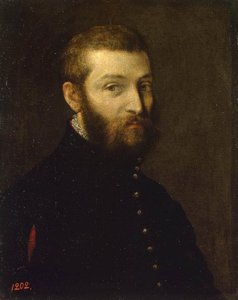
保罗·委罗内塞
1528 - 1588
艺术家简介
- 代表作品:
- 迦拿的婚礼
- 利未之家的宴会
- 全名: 保罗·委罗内塞
- 出生地: 意大利维罗纳
- 出生日期: 1528年
- 受此画家影响的艺术家:
- 鲁本斯
- 瓦托
- 国籍: 意大利
- 影响此画家的艺术家: ['提香']
- 艺术运动或风格: 文艺复兴,矫饰主义
- 逝世日期: 1588年
相关文章

Oil on Canvas: A Historical & Technical Exploration of a Timeless Artistic Medium
Explore the rich history & enduring techniques of oil painting on canvas. Discover the science behind its longevity, conservation practices, and contemporary relevance. Expert insights for art enthusiasts.

The Enduring Power of Painting: A Historical & Contemporary Exploration of Form and Emotion
Explore the rich history & enduring techniques of oil painting with AllPaintingsStore. Discover masterpieces, learn about art collecting, and find authentic handmade reproductions crafted by skilled artists.

The Enduring Legacy of Oil on Canvas: Technique, History & Aesthetic Impact
Explore the rich history & techniques of oil painting – from Renaissance masters to Impressionism. Discover pigments, layering methods, and why this timeless medium endures. Expert insights for artists & art enthusiasts.

Paolo Veronese: A Renaissance Master of Color, Composition, and Venetian Splendor
Explore the vibrant world of Paolo Veronese, a Renaissance master renowned for his opulent compositions, masterful use of color, and dramatic Venetian scenes. Discover key artworks & legacy.

画布上的流光溢彩:油画技法、历史沿革与当代实践
深入探索油画技法的历史沿革,从文艺复兴到卡拉瓦乔的革命性创新。了解多层涂布技术如何塑造色彩与光影,并洞悉当代油画实践中的传统与突破。AllPaintingsStore为您提供专业的艺术品咨询和定制服务。


