

1879. 布面丙烯.

§ 1Catalogue data


§ 2Abstract
 展开全文
展开全文
§ 3Commentary
Self Portrait
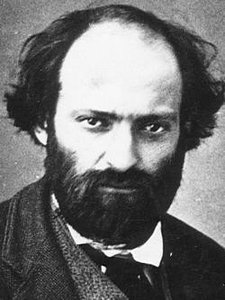
Paul Cézanne’s Self Portrait, created in 1879, is a seminal piece that not only reflects his artistic vision but also provides a glimpse into his personal world. This painting, housed in the esteemed Oskar Reinhart Collection in Winterthur, Switzerland, is a testament to Cézanne’s innovative approach to art and his enduring influence on modern art movements.Artistic Context
Cézanne was a pioneer of Post-Impressionism, a movement that sought to break away from the traditional techniques of Impressionism. His work often featured bold brushstrokes, vibrant colors, and an emphasis on capturing the underlying structure of his subjects. In Self Portrait, Cézanne employs these elements to create a deeply personal and introspective piece. He deliberately rejected the fleeting effects of light that preoccupied Impressionists, instead prioritizing geometric forms and tonal variations—a decisive step toward Cubism and paving the way for subsequent artistic explorations. The painting’s genesis coincided with a period of intense debate within the Parisian art world regarding the future direction of painting, mirroring the broader anxieties surrounding societal change and intellectual upheaval.Composition and Symbolism
The painting depicts Cézanne with a beard and mustache, wearing glasses and sitting in front of a green background. The prominent facial hair gives him a distinguished look, while the glasses suggest a thoughtful and contemplative demeanor. A tie is visible around his neck, adding a touch of formality to the portrait. Notably, a clock is positioned near the top right corner, symbolizing the passage of time and perhaps Cézanne’s awareness of his own mortality. This deliberate inclusion speaks to Cézanne's preoccupation with philosophical questions about existence and decay—themes that would resonate throughout his oeuvre. The green background isn’t merely decorative; it represents stability and tranquility, providing a counterpoint to the artist’s internal turmoil. Cézanne’s masterful use of color contributes to this emotional resonance, creating an atmosphere of quiet contemplation.Artistic Influence
Cézanne's influence on modern art cannot be overstated. His innovative techniques and emphasis on structure paved the way for various avant-garde movements, including Cubism and Fauvism. Artists like Pablo Picasso and Henri Matisse drew inspiration from his work, ensuring that Cézanne’s legacy extends far beyond his own lifetime. Cézanne's insistence on depicting objects as they *appear* to the eye—rather than how they *seem*—challenged conventional artistic conventions and fundamentally altered perceptions of representation. He championed a radical simplification of form, reducing complex shapes into basic geometric primitives—a technique that would become synonymous with Cubism’s groundbreaking aesthetic.Relevance in Contemporary Art
Today, Self Portrait remains a significant piece in the history of art. It is a reflection of Cézanne’s artistic philosophy and his contribution to the evolution of modern art. For those interested in exploring more of Cézanne's work, AllPaintingsStore offers high-quality reproductions of his paintings, including Self Portrait and Self Portrait with Palette. Its enduring appeal lies in its ability to convey profound emotional depth through deceptively simple visual elements—a testament to Cézanne’s genius as a draftsman and colorist.- Paul Cezanne: Self Portrait
- Paul Cézanne on Wikipedia
- The Oskar Reinhart Collection Winterthur, Switzerland
常见问题与解答
哪里可以买到 塞尚 的《Self Portrait》 的版画?
您可以通过 采用棉质帆布或档案级画布纸制作的艺术版画 购买 “Self Portrait” 的版画。您可以前往其 艺术版画 页面,根据您的需求选择尺寸并下单。
"Self Portrait" 的色彩呈现出浓郁还是柔和的视觉感?
“Self Portrait”的色彩强度为和谐均衡。强度描述了色彩呈现的浓郁程度。
塞尚 的《Self Portrait》 属于哪种艺术流派,又处于哪个时代?
塞尚 的《Self Portrait》 属于 Post-Impressionism 流派,创作于其作者的 19世纪 时期。


 切换至版画销售渠道


 对于任何边长超过 105 厘米(约 41 英寸)的艺术品或复制品,画框将以拆解后的组件形式发货。此方法可确保安全送达并防止运输过程中的损坏。


