

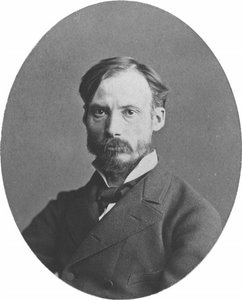
1871. Oil On Canvas.

§ 1Catalogue data


§ 2Abstract
藏品详情
Discover "Jacques Eugène Spuller" by Pierre-Auguste Renoir! This 1871 Impressionist masterpiece captures Parisian elegance with light, color & nuanced brushstrokes. Explore a window into Belle Époque life.
 展开全文
展开全文
艺术家简介
“印象主義畫家雷諾爾,以捕捉光線與色彩的靈動變化聞名於世。他的作品如《 Moulin de la Galette》和《 午餐遊艇派對》,充滿了歡樂與美感,持續影響後人,成為藝術史上的經典。”
§ 3Commentary
A Window into Parisian Elegance: Exploring Renoir’s “Jacques Eugène Spuller”
Pierre-Auguste Renoir's "Jacques Eugène Spuller," painted in 1871, stands as a quintessential embodiment of Impressionism—a movement that sought to capture fleeting moments of light and color rather than meticulously documenting reality. More than just a portrait, it’s an invitation into the vibrant atmosphere of Belle Époque Paris, offering viewers a glimpse of refined social life and artistic innovation. This oil on canvas masterpiece exemplifies Renoir's masterful command of technique and his ability to convey emotion through subtle brushstrokes and nuanced tonal gradations.The Artist’s Vision: Impressionistic Style and Composition
Renoir’s approach was radically different from the academic traditions dominating the art world at the time. Instead of striving for photographic accuracy, he prioritized capturing the sensory experience—the dappled sunlight filtering through a window, the warmth radiating from a fireplace, the very essence of human presence. “Jacques Eugène Spuller” reflects this ethos perfectly. Observe how Renoir utilizes loose, broken brushstrokes to depict Spuller’s face and clothing, allowing light to dance across the canvas surface. The composition is deliberately asymmetrical, drawing the eye towards Spuller's gaze—a direct connection with the viewer—while simultaneously incorporating secondary figures that contribute to the scene's dynamism. This layering of visual elements creates a sense of depth and invites contemplation about the sitter’s inner life.Technical Mastery: Light, Color, and Texture
Renoir achieved his remarkable effects through meticulous observation and experimentation with pigment mixing. He favored pure pigments mixed directly onto the canvas, maximizing color vibrancy and luminosity—a technique championed by Impressionists like Claude Monet and Camille Pissarro. The palette is dominated by warm hues – ochres, reds, and yellows – skillfully blended to simulate the ambient light of Spuller’s studio. Furthermore, Renoir expertly manipulates texture through varying brushstrokes; thicker impasto creates a palpable sense of warmth and solidity in Spuller's suit, contrasting with softer strokes used for his skin tones. These textural nuances elevate the painting beyond mere representation, conveying an emotional resonance that lingers long after viewing.Historical Context: Belle Époque Paris and Artistic Influences
“Jacques Eugène Spuller” was created during the Belle Époque—a period of unprecedented optimism and cultural flourishing in France following the Franco-Prussian War. Parisian society embraced artistic innovation, fueled by patronage from wealthy industrialists and intellectuals. Renoir’s work reflects this spirit of experimentation, drawing inspiration from Japanese prints (Japonisme)—which captivated European artists with their bold compositions and flattened perspectives—and from Eugène Delacroix's Romantic fervor for dramatic emotion and expressive color. The painting serves as a visual chronicle of its time, capturing the elegance and sophistication of Parisian culture while simultaneously signaling a decisive break from artistic conventions.Symbolism and Emotional Impact: Capturing Character and Presence
Beyond its technical brilliance, “Jacques Eugène Spuller” possesses profound symbolic significance. Spuller’s confident gaze—directed outwards—suggests self-assurance and intellectual curiosity—qualities valued during the Belle Époque. The inclusion of two additional figures adds to the narrative complexity, hinting at unspoken relationships and social interactions. Renoir's masterful portrayal captures not just a likeness but also an inner state—a quiet dignity that speaks volumes about Spuller’s character. Ultimately, the painting evokes feelings of warmth, intimacy, and contemplation, inviting viewers to immerse themselves in the beauty of Parisian life and the enduring power of Impressionist art.- Explore More: Visit AllPaintingsStore.com for exquisite handmade oil painting reproductions, including “Jacques Eugène Spuller”!
- Discover Similar Works: Admire Paul Cézanne’s “Landscape with Watermill” and Gustave Courbet’s “Still Life: Apples and Pears.”
- Visit Inspiration: Immerse yourself in Belgian art history at the Musée d'Ixelles, Brussels.
常见问题与解答
如何描述 雷诺阿 的《Jacques Eugene Spuller》 的意境?
“Jacques Eugene Spuller”营造出一种Elegant的氛围。
雷诺阿 的《Jacques Eugene Spuller》 属于哪种艺术流派,又处于哪个时代?
雷诺阿 的《Jacques Eugene Spuller》 属于 Impressionism 流派,创作于其作者的 19世纪 时期。
“Jacques Eugene Spuller”的主题是什么?
"Jacques Eugene Spuller" 的描绘主题为 portraiture, gentleman, light, clothing, formal event, depth, refinement。


 切换至版画销售渠道


 对于任何边长超过 105 厘米(约 41 英寸)的艺术品或复制品,画框将以拆解后的组件形式发货。此方法可确保安全送达并防止运输过程中的损坏。


