


 效果预览
效果预览
 分享
分享 分享
分享
 详情
详情 指南
指南

 下载
下载
 相似作品
相似作品 X射线
X射线 幻灯片播放
幻灯片播放 统计数据
统计数据屠杀婴孩


 展开详情
展开详情
手工油画复制品
由我们的艺术家按需定制,为您提供您所选尺寸及画框的布面手工油画。 ( 切换至版画销售渠道 切换至数字图像销售渠道)




P118B $10

P118H $10

P118W $10

P438Z $10

P508JH $12

P508YH $12

P805H $10

P805Z $10

P919BZ $10

P919G $10

P919XJ $10

P959ZH $10

P968JZ $12

W106C $8

W218G $10

W218JH $8

W218Y $10

W307PJ $10

W316G $10

W316PJ $8

W316Y $10

W398PJ $8

W4111J $10

W500HY $15

W500JH $15

W692G $12

W849H $8

W940BG $15

W953PJ $8




从与原作比例一致的预设尺寸中进行选择。

您可以输入自定义尺寸,以适配特定的画框或空间。如果所选尺寸与原图比例不符,我们将通过裁剪作品或添加手绘元素来扩展画面。数字样稿将在制作开始前发送给您确认。
请注意,屏幕预览无法准确反映实际的裁剪或扩展效果,只有样稿才能真实呈现最终的构图。
虽然我们提供定制尺寸服务,但为了保留原作比例,建议您从预设列表中选择尺寸。
下单后,AllPaintingsStore.com 团队将通过电子邮件联系客户获取具体要求,并提供效果预览图。


 玻璃选项仅适用于110厘米以下的尺寸。

屠杀婴孩
复制材质
复制品尺寸
-


最终总价
$ 258
混乱与哀恸的交响乐
在北方文艺复兴艺术的史册中,很少有作品能像彼得·布鲁赫尔(Pieter Bruegel the Elder)的《屠杀婴孩》那样,拥有如此直击灵魂、令人胆寒的力量。这幅完成于1566年的宏伟杰作,早已超越了单纯圣经插图的范畴,转而成为一场关于生命脆弱与人类残暴本性的深刻冥想。画作重现了希律王那令人心碎的残酷法令——为了挫败耶稣基督的降临,他下令屠杀伯利恒所有的男婴。然而,布鲁 सब्赫尔并未通过一种遥远而虔诚的视角来呈现这场悲剧;相反,他将观者拽入这场屠杀的最核心地带,在那里,空气中仿佛弥漫着房屋焚烧后的浓烟,充斥着丧亲者撕心裂肺的哀嚎。
其构图堪称“受控之混乱”的大师级典范。布鲁赫尔并未遵循同时代意大利画家所青睐的那种宁静、平衡的结构,而是采用了一种混沌且螺旋上升的人物排列方式,以此映射事件本身的心理动荡。观者的视线被不由自主地拉入一片暴力景观之中——从士兵与战马的狂乱奔袭,到母亲与村民们绝望的挣扎。在这场旋风的中心,却存在着一种深沉而令人心碎的静止:一个被遗弃在冰冷地面上的婴儿,成为了权力机器蹂躏纯真无邪的沉默且毁灭性的象征。
技艺精湛与氛围深度
布鲁赫尔的艺术造诣,在其将细致入微的刻画与宏大磅礴的氛围感完美融合的能力中得到了充分体现。通过在木板上使用油彩,艺术家创造出一种非凡的光泽感,为场景中最阴森的部分注入了生命力。他对于明暗对照法(chiaroscuro)——即光影间戏剧性交织——的运用在此处尤为震撼;锐利而刺眼的光线穿透阴霾,凸显出极度痛苦的瞬间,而深邃的阴影则吞噬了边缘地带,暗示着一个被黑暗侵蚀的世界。这种对比不仅创造了空间深度,更强化了情感的张力,迫使观者不得不直面冲突那锋利的棱角。
艺术家标志性的风格——一种毫不退缩的写实主义与象征性夸张的结合——在此得到了全方位的展示。他捕捉冰封冬日景观纹理的精度如此之高,以至于人们几乎能感受到霜冻的刺骨,并看见屋檐上悬挂的冰柱。这些环境细节并非仅仅为了装饰;通过将这场圣经中的暴行置于一个当代且可辨识的布拉班特背景中,布鲁赫尔架起了古代经文与他自身动荡时代之间的桥梁。画中的士兵穿着当地官员的典型服饰,这暗示着过去的恐怖在当下的政治动乱中依然无处不在。
为鉴赏家留下的永恒遗产
对于艺术爱好者或室内设计师而言,这样规模的复制品提供的不仅仅是视觉上的趣味;它为任何空间都提供了一个深刻的思想与情感锚点。这幅画作蕴含着复杂的意义层面——从宗教教义到对暴政本质的社会评论——确保了它始终是一个值得无尽沉思的主题。这是一件需要被凝视的作品,它邀请观者去细察那些微妙的细节:士兵紧握武器时的张力、战马惊恐的姿态,或是混乱战场中一件被遗弃之物的无声悲剧。
拥有一件如此具有开创性意义的高品质复制品,能够让人们营造出一个富有深度与历史厚度的环境。无论是在私人画廊、精致的书房,还是宏伟的起居空间,《屠杀婴孩》都作为人类精神韧性与艺术变革力量的有力见证而存在。它不仅仅是装饰墙面,更是丰富了房间的灵魂,为人们开启了一扇窗,窥见西方绘画史上最深刻的时刻之一。
相似艺术品


艺术家简介
Pieter Bruegel the Elder (c. 1525-1569): Renaissance Master of Landscapes & Peasant Life
Pieter Bruegel the Elder emerged during a period of profound change, a time when the artistic landscape of Europe was shifting from the High Renaissance ideals of Italy towards the burgeoning complexities of Northern European expression. Born sometime between 1525 and 1530, likely in Breda – though details surrounding his early life remain somewhat elusive – Bruegel’s formative years unfolded amidst religious upheaval and a flourishing merchant culture. He began his artistic journey around 1545 as an apprentice to Pieter Coecke van Aelst, a respected Antwerp painter known for both his artistry and his designs for tapestries. This apprenticeship provided Bruegel with a solid grounding in the technical skills of oil painting and drawing, but perhaps more importantly, it exposed him to the humanist currents that were beginning to permeate intellectual circles. Van Aelst’s workshop was not merely a place of artistic instruction; it was a crucible where traditional techniques met new ideas, shaping Bruegel's future vision.Early Life & Artistic Training
Bruegel’s initial training took place in Antwerp, the heart of Flemish art and commerce during his time. He studied under Pieter Coecke van Aelst, absorbing the principles of humanist painting – a reaction against the rigid formalism of scholasticism – and mastering the meticulous craft of oil painting. Van Aelst's influence extended beyond mere technique; he instilled in Bruegel a fascination for observation and an appreciation for detail, qualities that would characterize his later work. The workshop environment fostered experimentation and encouraged artists to push boundaries, preparing Bruegel for his subsequent explorations into diverse artistic styles and subjects.Wanderings & The Seeds of Innovation
Around 1551-1553, Bruegel embarked on a transformative journey through France, Switzerland, and Italy – expeditions that fundamentally altered his artistic perspective. Unlike many artists of his era who sought to emulate Italian grandeur, Bruegel found inspiration in the landscapes of Alpine regions, capturing their dramatic beauty with unprecedented accuracy. He encountered the monumental works of Michelangelo and Raphael, absorbing their stylistic innovations without attempting wholesale imitation. These travels instilled in him a deep understanding of cultural differences and broadened his artistic horizons, fueling his desire to depict scenes from everyday life—a departure from the dominant preoccupation with religious iconography that prevailed in Italy.A Revolutionary Vision: Landscapes & Peasant Life
Bruegel’s true genius lay in his daring rejection of established conventions. While Renaissance painters primarily focused on idealized depictions of biblical narratives or mythological allegories, Bruegel turned his gaze to the realities of rural Flemish society—peasants laboring in fields, villagers celebrating festivals, and hunters traversing snowy landscapes. This wasn't a mere stylistic preference; it represented a profound philosophical shift—a conviction that beauty could be found not only in sacred realms but also in the mundane experiences of ordinary people. He achieved this remarkable feat through masterful use of chiaroscuro – dramatic contrasts between light and shadow – creating depth, realism, and emotional resonance within his canvases. Paintings like “The Tower of Babel” exemplify Bruegel’s ambition to convey complex ideas with visual precision.Legacy & Influence
Pieter Bruegel the Elder's legacy extends far beyond his own lifetime. He profoundly impacted subsequent generations of artists—particularly those in the Dutch Golden Age—inspiring them to embrace realism and explore themes from everyday life. Artists like Isaac van Ostade and Adriaen Brouwer drew inspiration from Bruegel’s innovative approach, capturing the spirit of their time with unflinching honesty. Furthermore, Bruegel's pioneering use of landscape painting paved the way for later developments in the genre, influencing artists who sought to convey the grandeur and beauty of the natural world. His enduring influence can be seen not only in paintings but also in literature and theater—demonstrating the universality of his artistic vision. He died prematurely in Brussels in 1569 at the age of forty-three, leaving behind a remarkable body of work that continues to captivate audiences worldwide—a testament to the transformative power of observation and artistic innovation.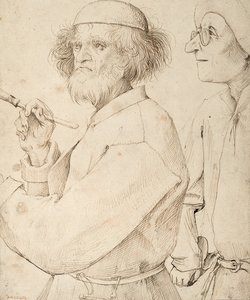
彼得·布鲁赫尔
1525 - 1569 , 比利时
艺术家简介
- Artistic Movement Or Style: 文艺复兴绘画
- Artists Or Movements Influenced By This Artist: ['荷兰黄金时代绘画']
- Artists Who Influenced This Artist: ['伊森戈斯·博斯赫']
- Date Of Birth: c. 1525
- Date Of Death: 1569
- Full Name: Pieter Bruegel the Elder
- Nationality: 弗兰德斯人
- Notable Artworks:
- 圣母玛利亚与耶稣的飞翔埃及行
- 死亡的辉煌
- 农夫婚礼
- 雪中的猎人
- 巴别塔
- Place Of Birth: Breda,荷兰
相关文章
Northern Mannerism: The Dramatic Evolution of Renaissance Art and the Mastery of Elegant Distortion
Explore the dramatic evolution of Northern Mannerism. Discover how masters like Bosch and Grünewald transitioned from Renaissance harmony to profound, elegant distortion through an expert analysis of symbolism, emotional intensity, and artistic innovation.

北文艺坛巅峰:十幅定义时代的艺术巨作 | AllPaintingsStore
探索北文艺复兴的辉煌!本文精选十幅定义时代的艺术杰作,从凡·艾克到鲁本斯,揭秘大师背后的故事与技法。 感受文艺复兴的魅力,为您的家注入艺术灵感。 博物馆级复制品尽在AllPaintingsStore.com,探索完整画集!

Mastering Detail: A Guide to the Timeless Beauty and Symbolism of Northern Renaissance Art
Explore the intricate beauty of Northern Renaissance art. Discover the revolutionary oil techniques, profound symbolism, and microscopic realism of the Franco-Flemish masters in this expert guide for classical art enthusiasts.

The Alchemy of Precision: Unveiling the Intricate Mastery of Northern Renaissance Art
Unveil the intricate mastery of Northern Renaissance Art. Explore the luminous oil techniques, hidden symbolism, and breathtaking realism of Flemish masters through an expert lens of art history and technical precision.


