

布面油画.

§ 1Catalogue data


§ 2Abstract
藏品详情
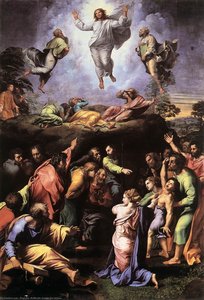
Marvel at Raphael's 'The Blessing Christ,' a captivating High Renaissance oil painting depicting Jesus offering grace and divine love. Explore its beauty & symbolism – available as a stunning reproduction.
 展开全文
展开全文
§ 3Commentary
Raphael’s “The Blessing Christ”: A Renaissance Masterpiece of Grace
Raphael’s “The Blessing Christ,” painted in 1505, is more than just a beautiful depiction of a biblical scene; it's a profound meditation on divine love and human connection. This oil painting, now residing within the Pinacoteca Tosio Martinengo in Brescia, Italy, stands as a testament to Raphael’s mastery of composition, color, and his deep understanding of High Renaissance ideals – a period defined by its revival of classical forms and a renewed focus on humanism. The work immediately draws the viewer into a serene tableau: Jesus Christ, youthful and radiant, extends his hand in blessing, while two figures—believed to be angels or perhaps devoted disciples—stand attentively on either side. The scene unfolds against a subtly rendered mountainous backdrop, adding depth and a sense of timelessness to the composition.
At the heart of “The Blessing Christ” lies Raphael’s masterful use of chiaroscuro – the dramatic interplay of light and dark – a technique borrowed from Leonardo da Vinci. This skillful manipulation creates an astonishingly realistic volume, imbuing each figure with palpable presence. The warm glow illuminating Jesus’ face and outstretched hand contrasts sharply with the shadowed areas, drawing our attention to the central act of grace. The color palette is equally harmonious; Raphael employs a carefully chosen range of reds, blues, and golds that evoke a sense of tranquility and spiritual reverence. Notice how the rich crimson robe emphasizes Christ's divinity, while the softer hues surrounding him contribute to the painting’s overall atmosphere of peace.
Historical Context: The Dawn of a New Era
“The Blessing Christ” is inextricably linked to the Italian Renaissance, a transformative period in European history. Emerging from the shadows of the Middle Ages, this era witnessed a fervent return to classical Greek and Roman art and philosophy. Artists like Raphael sought inspiration from these ancient sources, integrating humanist ideals – emphasizing human potential and achievement – into their work. The painting reflects this shift by portraying Christ not as a distant deity but as a relatable figure offering compassion and guidance. The Renaissance’s embrace of perspective and anatomical accuracy is subtly present here, contributing to the illusion of depth and realism.
Raphael's creation emerged during a time when the Papal States were consolidating power in Rome, and the Vatican was undergoing significant architectural and artistic renovations. The commission for “The Blessing Christ” likely stemmed from this atmosphere of patronage and artistic innovation. It’s fascinating to consider how this painting fits within the broader context of Raphael's career – a period marked by rapid growth and prolific output, culminating in his relocation to Rome where he would become one of the most celebrated artists of all time.
Symbolism and Spiritual Resonance
Beyond its technical brilliance, “The Blessing Christ” is rich in symbolic meaning. The outstretched hand represents divine grace and benediction – a tangible offering of love and forgiveness. The pointing finger directs our gaze towards Jesus’ wound, a potent reminder of his sacrifice on the cross. This detail underscores the central theme of redemption and salvation, core tenets of Christian belief. The two figures flanking Christ are often interpreted as angels or disciples, symbolizing faith and devotion – witnesses to this profound moment of grace.
The painting's emotional impact is undeniable. It evokes a sense of serenity, reverence, and hope. Viewers are invited to contemplate the nature of faith, compassion, and the enduring power of divine love. This resonance has ensured that “The Blessing Christ” remains an iconic work of art for centuries, continuing to inspire awe and contemplation in audiences around the world.
Artistic Style & Influences: A Synthesis of Tradition
Raphael’s style in "The Blessing Christ" is a masterful synthesis of influences. He skillfully blended elements of his early Umbrian training with the innovations he encountered during his time in Florence and Rome. The painting demonstrates a clear understanding of perspective, anatomical accuracy, and color theory – hallmarks of Renaissance art. However, it also retains a certain lyrical quality reminiscent of his earlier work, creating a harmonious balance between tradition and innovation.
Notably, Raphael’s use of light and shadow echoes the techniques employed by Leonardo da Vinci, while the composition draws inspiration from classical depictions of religious figures. Further enriching this artistic tapestry are works by artists like Giulio Romano, whose frescoes in Mantua showcased similar dramatic lighting effects and a focus on human emotion, and Sandro Botticelli, known for his graceful figures and elegant compositions. Studying these related artworks provides valuable insight into Raphael’s creative process and the broader artistic landscape of the High Renaissance.
To experience the full impact of “The Blessing Christ,” consider exploring reproductions available at AllPaintingsStore.com – a remarkable opportunity to bring this timeless masterpiece into your home or office, allowing its beauty and symbolism to inspire you daily.
常见问题与解答
如何发现与 拉斐尔 的《The Blessing Christ》 风格相近的艺术品?
拉斐尔 的《The Blessing Christ》 的 相似作品 页面展示了相关艺术作品。
“The Blessing Christ”的作者是谁?
"The Blessing Christ" 由 拉斐尔 创作。本页面的信息旨在介绍 拉斐尔 的原作。
拉斐尔 的《The Blessing Christ》 的画面方向是怎样的?
拉斐尔 的《The Blessing Christ》 采用 竖幅 格式。该格式描述了构图的比例。



 切换至版画销售渠道


 对于任何边长超过 105 厘米(约 41 英寸)的艺术品或复制品,画框将以拆解后的组件形式发货。此方法可确保安全送达并防止运输过程中的损坏。




![梵蒂冈宫殿:博尔戈之火(细节)[01]](/media/artworks/images-thumb/76/f6/76f6220ba33c4e1d9790e47ace4c7148.jpg)


