


 实景预览
实景预览
 分享
分享 分享
分享
 详情
详情 指南
指南

 下载作品
下载作品
 相似作品
相似作品 X射线
X射线 幻灯片播放
幻灯片播放 问答
问答 统计数据
统计数据The Gotthard Post

- 117.0 x 100.0 cm


 展开全文
展开全文
艺术微喷/版画
博物馆级艺术微喷或帆布版画,制作高效,并提供多种饰面选择。 ( 订购纯手工绘制画作 切换至数字图像销售渠道)




P118B ¥10

P118H ¥10

P118W ¥10

P438Z ¥10

P508JH ¥12

P508YH ¥12

P805H ¥10

P805Z ¥10

P919BZ ¥10

P919G ¥10

P919XJ ¥10

P959ZH ¥10

P968JZ ¥12

W106C ¥8

W218G ¥10

W218JH ¥8

W218Y ¥10

W307PJ ¥10

W316G ¥10

W316PJ ¥8

W316Y ¥10

W398PJ ¥8

W4111J ¥10

W500HY ¥15

W500JH ¥15

W692G ¥12

W849H ¥8

W940BG ¥15

W953PJ ¥8




您可以从与原作比例一致的预设尺寸中进行选择。

请输入您所需的宽度和高度,以适配您的画框或墙面。由于印刷品只能进行裁剪,无法超出原图尺寸,因此若比例不一致,画面的一部分将会被裁切。在正式印刷之前,我们会为您发送一份数字效果图供您确认。本页面显示的图片并非最终裁剪后的效果——只有效果图才能展示真实的裁剪情况。


 玻璃选项仅适用于110厘米以下的尺寸。

The Gotthard Post
艺术微喷/版画
复刻品尺寸
-


最终结算价
¥ 436
A Symphony of Motion and Alpine Majesty
In the heart of the Swiss Alps, where the rugged terrain meets the sky, Rudolf Koller’s The Gotthard Post captures a moment of breathtaking kinetic energy. This masterful oil on canvas, painted in 1873, is far more than a mere landscape; it is a dramatic narrative of progress and the exhilarating sensation of speed. The viewer is immediately thrust into the scene, facing a heavy, stagecoach plunging down a steep, zigzagging mountain pass. As the coach races toward the foreground, its momentum feels almost palpable, threatening to overshoot the very curve it navigates. Koller masterfully juxtaposes the frantic pace of the carriage with the rhythmic, plodding movement of a herd of cows, creating a visual tension that breathes life into the Alpine valley.
The painting serves as a profound allegory for an era of transition. While the Gotthard road was a triumph of 19th-century engineering, Koller chose to bypass the literal depiction of modernizing railways in favor of something more romantic and timeless. Instead, he focuses on the acceleration of travel through the lens of the stagecoach, using a panicked calf as an anecdotal focal point to emphasize the suddenness of the coach's passage. The driver, gripped by the intensity of the descent, holds his whip with a sense of urgency that mirrors the broader societal shift toward a faster-paced world. It is a work that celebrates the spirit of movement, capturing the precise moment when tradition meets the unstoppable force of innovation.
Mastery of Realism and Atmospheric Depth
Technically, Koller demonstrates his prowess as a premier realist, utilizing a rich palette to evoke the crisp, clear atmosphere of the high altitudes. The brushwork is deliberate yet fluid, allowing the textures of the heavy wooden carriage, the muscular tension of the horses, and the soft coats of the livestock to emerge with startling clarity. The composition is expertly structured to guide the eye along the winding path, creating a sense of immense scale and depth. By positioning the coach on a direct trajectory toward the viewer, Koller breaks the "fourth wall" of the canvas, inviting collectors and art enthusiasts to feel the wind and hear the thundering hooves of the descent.
For the discerning collector or interior designer, The Gotthard Post offers an unparalleled sense of grandeur and historical weight. The painting does not merely decorate a space; it anchors it with a story of Swiss identity and engineering triumph. Its ability to evoke both the serenity of the Alpine landscape and the adrenaline of a racing coach makes it a versatile centerpiece for any sophisticated collection. Whether placed in a stately library or a contemporary living space, this reproduction brings with it an enduring legacy of romanticism, strength, and the timeless beauty of the natural world.
常见问题与解答
Rudolf Koller 的《The Gotthard Post》 的创作年代与艺术风格是什么?
"The Gotthard Post"创作于1873年,属于Realism运动。
Rudolf Koller 的《The Gotthard Post》 使用了怎样的色调?
Rudolf Koller 的《The Gotthard Post》 采用了 Earthy 色调,这一色调概括了作品整体的色彩特征。
“The Gotthard Post”背后的艺术家与艺术风格是哪些?
"The Gotthard Post" 的背后是 Rudolf Koller 及其所属的 Realism 流派。
相似作品


艺术家简介
Early Life and Artistic Beginnings
Rudolf Koller, born in Zürich on May 21st, 1828, emerged from a world steeped in the everyday rhythms of rural life. His father, Johann Heinrich Koller, initially a butcher and brewer, later became the innkeeper of the “Schwarzen Adler” hotel—a central hub frequented by waggoners and cattle dealers. This formative environment indelibly shaped the young artist’s sensibility, immersing him in the sights and sounds of horses and livestock from an early age. While his peers might have been drawn to more conventional subjects, Koller found himself captivated by the raw beauty and inherent dignity of these animals. His initial education at a private school was followed by attendance at Fraumünster elementary school, but it was within the bustling atmosphere of his father’s inn that his artistic inclinations truly began to blossom. From 1840 to 1843, Koller received formal training at the cantonal industrial school in Zürich, where he first honed his skills under the guidance of his uncle, a landscape painter who recognized and nurtured his nephew's talent for depicting horses. This early mentorship proved pivotal, solidifying Koller’s decision to specialize in animal painting—a path that would ultimately define his career. In October 1843, he embarked on a more structured artistic education, studying under Jacques Schweizer, Johann Rudolf Obrist, and Hans Jacob Ulrich, absorbing their techniques and refining his approach through private lessons.Formative Years and Düsseldorf Influence
Koller’s pursuit of artistic excellence led him to Munich in 1845, where he joined a collective of Swiss artists known as “the Schweizer,” under the leadership of Johann Gottfried Steffan. This period marked a crucial step in his development, exposing him to new ideas and fostering a sense of camaraderie among fellow countrymen. However, it was his subsequent engagement at the stud farm of the King of Württemberg near Stuttgart that truly cemented his reputation as an animal painter. Commissioned to create depictions of horses and dogs, Koller’s talent for capturing their anatomy, movement, and character quickly gained recognition. The years 1846-1847 saw Koller in Düsseldorf, a prominent center for artistic training at the time. Studying figure drawing under Karl Ferdinand Sohn at the Fine Arts Academy proved invaluable, but it was the friendships he forged with Arnold Böcklin—the future Swiss Symbolist painter—and Anselm Feuerbach, a leading German classicist, that profoundly influenced his artistic trajectory. These encounters broadened his intellectual horizons and encouraged him to explore new avenues of expression. A shared journey to Brussels and Antwerp in 1847 further enriched his understanding of European art, exposing him to the works of Old Masters and contemporary painters alike.A Master of Realism and *Plein Air* Painting
Following Düsseldorf, Koller settled in Paris, where he shared a studio with Arnold Böcklin. Immersing himself in the vibrant artistic milieu of the French capital, he spent countless hours at the Louvre, meticulously copying Netherlandish artworks from the 17th century and studying the techniques of contemporary animal painters like Rosa Bonheur and Constant Troyon. He also sought guidance from Jacques Raymond Brascassat, a respected figure in the Parisian art world. Koller’s style gradually evolved, embracing a realist aesthetic characterized by meticulous detail, accurate observation, and a profound respect for nature. However, he was not merely a replicator of reality; his paintings possessed a sensitivity and emotional depth that set him apart from his contemporaries. He became known for his *plein air* technique—painting outdoors directly from life—which allowed him to capture the fleeting effects of light and atmosphere with remarkable fidelity. This commitment to direct observation, combined with his masterful composition skills, resulted in works that were both visually stunning and emotionally resonant.The “Painter of the Swiss National Animal” and Lasting Legacy
Koller’s reputation soared throughout the 19th century, earning him the affectionate title of “the painter of the Swiss national animal”—a testament to his iconic depictions of cows in their native landscapes. His paintings captured not only the physical beauty of these creatures but also their integral role in Swiss culture and identity. He is rightfully considered alongside George Stubbs, Rosa Bonheur, and Théodore Géricault as one of the greatest animal painters of all time. Among his most celebrated works is *The Gotthardpost*, or *The St Gotthard Mailcoach* (1873), a dynamic depiction of a mail coach speeding along a mountain road, drawn by powerful white horses. This painting embodies Switzerland’s spirit of innovation and its breathtaking Alpine beauty. Koller's influence extended beyond his own artistic output; he inspired generations of Swiss painters with his dedication to realism, his sensitivity to nature, and his unwavering commitment to capturing the essence of his homeland. Along with Frank Buchser and Gustave Eugène Castan, Koller remains a cornerstone of 19th-century Swiss art, leaving behind a legacy that continues to captivate and inspire audiences today.
Rudolf Koller
1828 - 1905
艺术家简介
- Full Name: Rudolf Koller
- Nationality: Swiss
- Date Of Birth: 1828
- Date Of Death: 1905
- Place Of Birth: Zürich, Switzerland
- Notable Artworks: ['The Gotthard Post']
- Artistic Movement Or Style: Realism, Classicism
- Artists Who Influenced This Artist:
- Gustave Courbet
- Jean-Baptiste Corot
- Artists Or Movements Influenced By This Artist:
- Frank Buchser
- Gustave Castan
相关文章

Evocations of Place: A Historical Journey Through Landscape Art
Explore the rich history of landscape art with AllPaintingsStore. Discover renowned artists, movements like Impressionism & Romanticism, and expert guidance for collecting timeless pieces. Find your perfect serene escape today!

Evocations of Place: A Historical Journey Through Landscape Art
Explore the rich history of landscape art with AllPaintingsStore. Discover renowned artists, movements like Impressionism & tonalism, and expert guidance for collecting timeless pieces. Find your perfect serene escape today!

浪漫主义画派的十部巨作:定义风景画的艺术传奇
探索浪漫主义风景画的巅峰!本文精选十部经典名作,带您领略莫奈、库尔贝等大师的艺术魅力。感受色彩与光影的诗意,重温自然风光的震撼。AllPaintingsStore.com为您提供博物馆级别的艺术复制品和个性化家居装饰方案。尽在AllPaintingsStore.com!

康斯塔布尔大师之作:25幅传世风景画赏析 | AllPaintingsStore
探索康斯塔布尔的25幅传世杰作!沉浸于英国田园风光,感受浪漫主义绘画大师的光影与色彩。高清油画复制、艺术品购买尽在AllPaintingsStore.com,为您的家居增添经典之美。立即在线探索完整系列!
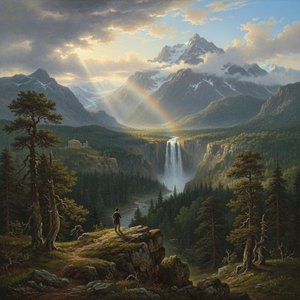
Evoking Nature's Sublime: A Comprehensive Exploration of 19th-Century Landscape Painting
Explore the captivating world of 19th-century landscape painting! Discover renowned artists like Friedrich & Monet, key movements, and find the perfect artwork to bring nature's serenity into your home. Expert insights at AllPaintingsStore.