


 效果预览
效果预览
 购买印刷品
购买印刷品 分享
分享 分享
分享
 详情
详情

 下载
下载
 相似作品
相似作品 X射线
X射线 幻灯片播放
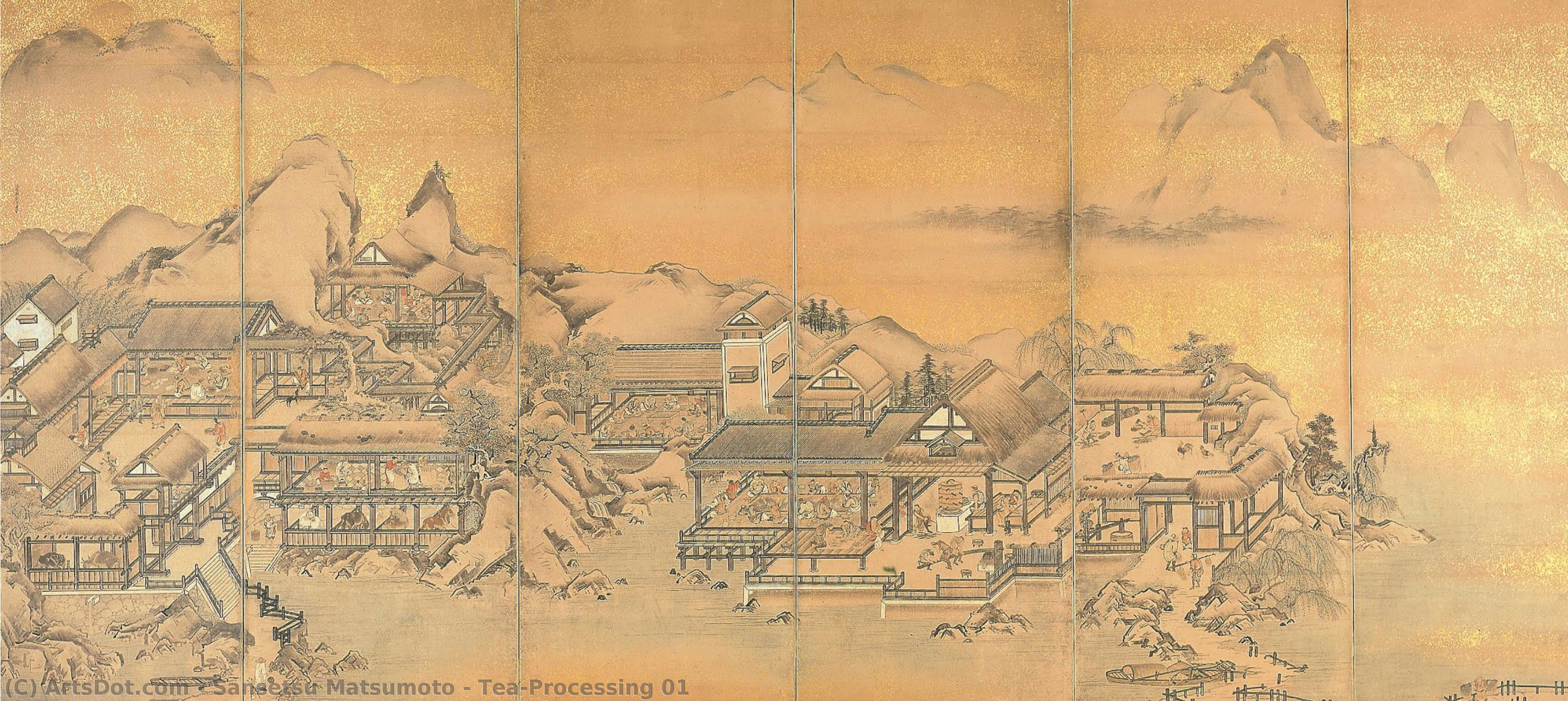
幻灯片播放Tea-Processing 01
 161.0 x 360.0 cm
 展开详情
展开详情




































从与原作比例一致的预设尺寸中进行选择。

您可以输入自定义尺寸,以适配特定的画框或空间。如果所选尺寸与原图比例不符,我们将通过裁剪作品或添加手绘元素来扩展画面。数字样稿将在制作开始前发送给您确认。
请注意,屏幕预览无法准确反映实际的裁剪或扩展效果,只有样稿才能真实呈现最终的构图。
虽然我们提供定制尺寸服务,但为了保留原作比例,建议您从预设列表中选择尺寸。
下单后,AllPaintingsStore.com 团队将通过电子邮件联系客户获取具体要求,并提供效果预览图。


 玻璃选项仅适用于110厘米以下的尺寸。

Tea-Processing 01
复制材质
复制品尺寸
-


最终总价
$ 258


艺术家简介
Sansetsu Matsumoto: Harmony Between Man and Nature in Edo Period Ink Paintings
Sansetsu Matsumoto (松本人左衛門), born around 1589 and died in Kyoto in 1651, stands as a pivotal figure within the artistic landscape of Japan’s Edo period—a time marked by social stability under Tokugawa rule and an unparalleled flourishing of cultural expression. Though biographical details remain somewhat sparse due to the limitations of historical records, Matsumoto's legacy rests firmly upon his mastery of *sumō* (墨画), specifically landscapes rendered in monochrome ink wash technique, which cemented his reputation as one of Kyoto’s most esteemed court painters. His work embodies a profound aesthetic sensibility rooted in Zen Buddhism and Confucian ideals—a dedication to capturing the essence of nature not merely as an object of observation but as a conduit for spiritual contemplation.- Early Life and Training: Matsumoto's origins are shrouded in obscurity, with scant documentation regarding his family lineage or formative years. However, he emerged from Kyoto’s artistic milieu—a tradition steeped in meticulous craftsmanship and philosophical depth—where he honed his skills under the tutelage of influential masters like Kobori Fumio (後藤藤三郎), a renowned landscape architect who championed the principles of *wabi-sabi* (侘寂)—the beauty of imperfection and transience. This training instilled within Matsumoto a deep appreciation for simplicity, asymmetry, and the subtle nuances of natural phenomena.
- Service to Iyo Matsuyama Han: Matsumoto’s artistic career gained considerable prominence through his service as a court painter for Iyo Matsuyama han (伊予松山藩), a feudal domain governed by Tokugawa Yoshimune. During this period, he produced a prolific body of work—primarily landscapes—that served both decorative and propagandistic purposes. These paintings skillfully conveyed the grandeur of the han’s territory while simultaneously reflecting the Confucian emphasis on benevolent governance and harmonious relations between ruler and subject.
- Notable Landscapes: Among Matsumoto's celebrated works are depictions of Mount Yoshino (吉野山), a sacred site revered for its cherry blossoms, and landscapes surrounding Kyoto’s Kamigamo Shrine (貴神神社). These paintings exemplify his ability to convey not just visual information but also emotional resonance—a palpable sense of tranquility and reverence for the natural world. The meticulous detail with which Matsumoto rendered individual trees, rocks, and ripples on water speaks volumes about his dedication to artistic precision.
- Influence and Legacy: Matsumoto’s influence extended far beyond his immediate contemporaries, shaping the trajectory of Edo period landscape painting and establishing a benchmark for aesthetic excellence. His unwavering adherence to *wabi-sabi* principles—the acceptance of imperfection as inherent beauty—became a cornerstone of Japanese artistic philosophy. Subsequent generations of painters drew inspiration from Matsumoto's masterful technique and profound contemplative spirit, ensuring that his legacy endured throughout the centuries.

sansetsu matsumoto
1676 - , Japan
艺术家简介
- Artistic Movement Or Style: Edo Period
- Full Name: sansetsu matsumoto
- Nationality: Japanese
- Notable Artworks: ['Tea-Processing 01']
- Place Of Birth: Japan


